

 Eng
Eng 
 русский
 Español


Brushless vs. Brushed: Which Micro DC Motors Suit Your Project Best?
 2026.02.18
 Industry News
In the rapidly evolving world of miniature electronics, robotics, and medical devices, the heart of any moving mechanism is its motor. When it comes to compact applications, micro DC motors are the go-to solution for engineers and product designers. However, early in the design phase, a fundamental question always arises: should you use a brushed or a brushless (BLDC) motor?
Both technologies have been around for decades, and while the trend often leans toward "newer is better," the reality is that both types of micro DC motors have unique strengths and weaknesses. Choosing the wrong one can lead to premature failure, unnecessary costs, or subpar performance. This guide provides a deep dive into the mechanics, pros, and cons of brushed and brushless technology to help you make an informed decision for your next project.
The Anatomy of Brushed Micro DC Motors
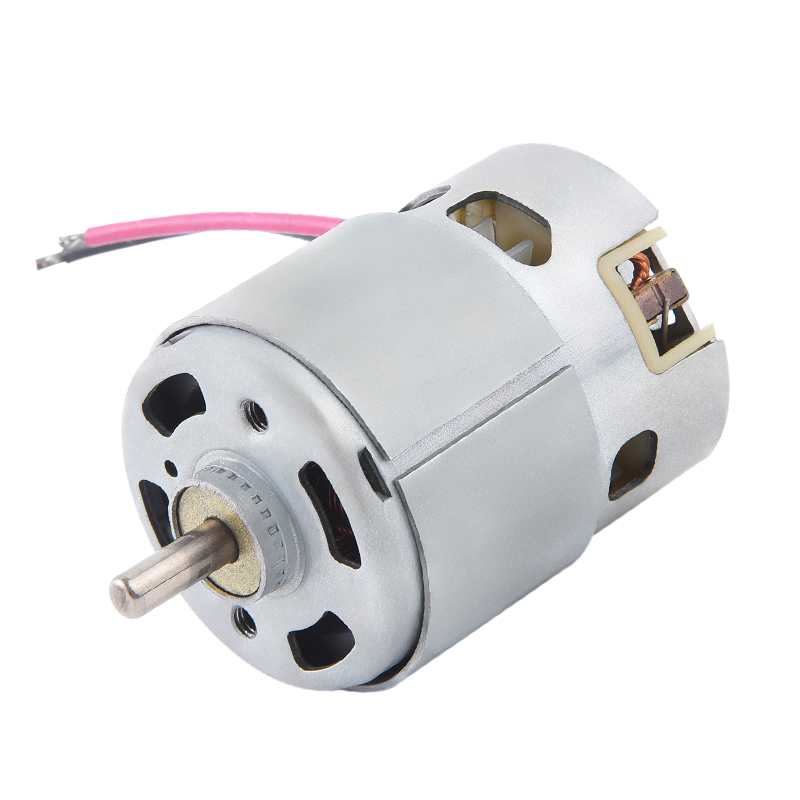
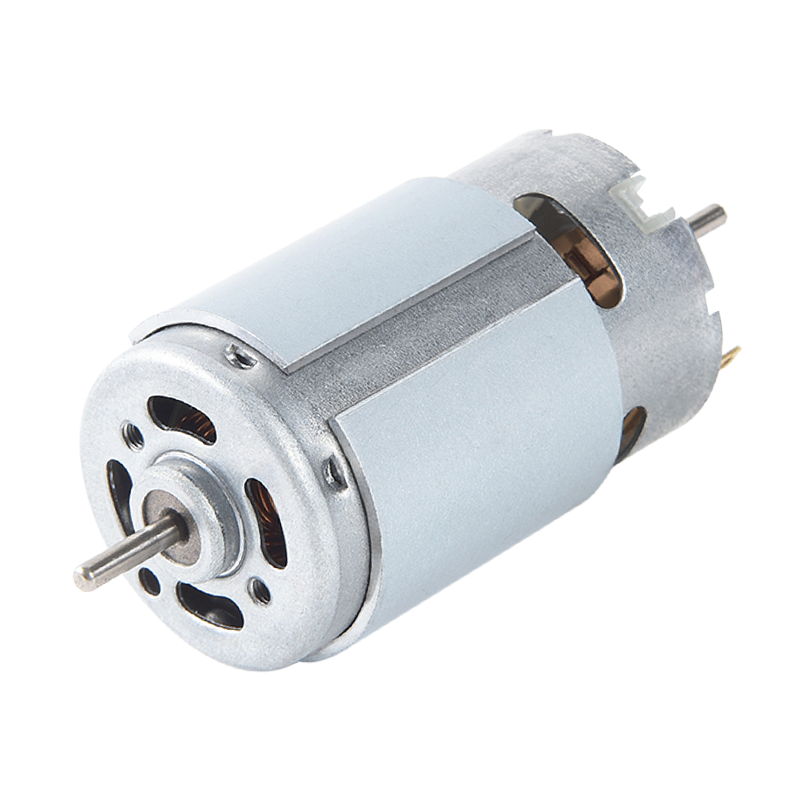
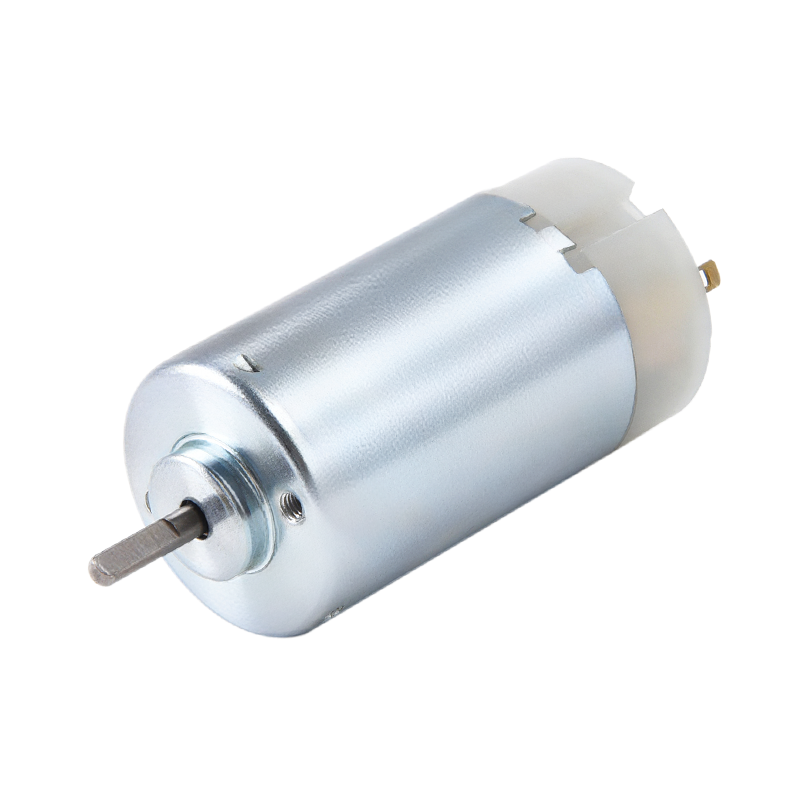
The brushed DC motor is the original design and remains widely popular due to its simplicity. Inside these micro DC motors, you will find a set of permanent magnets on the outside (the stator) and a rotating coil on the inside (the armature).
How They Work
The "brushes" (usually made of carbon or precious metal) press against a rotating commutator. As the motor spins, the brushes flip the electrical polarity, ensuring the armature keeps turning in the same direction.
Why They Are Still Relevant
Simplicity: They require no complex electronics to run. Connect them to a battery, and they spin.
Cost-Effective: Because they don't require an electronic controller (ESC), the total system cost is often much lower.
Ease of Control: Speed is easily managed by simply adjusting the voltage.
The Rise of Brushless (BLDC) Micro DC Motors
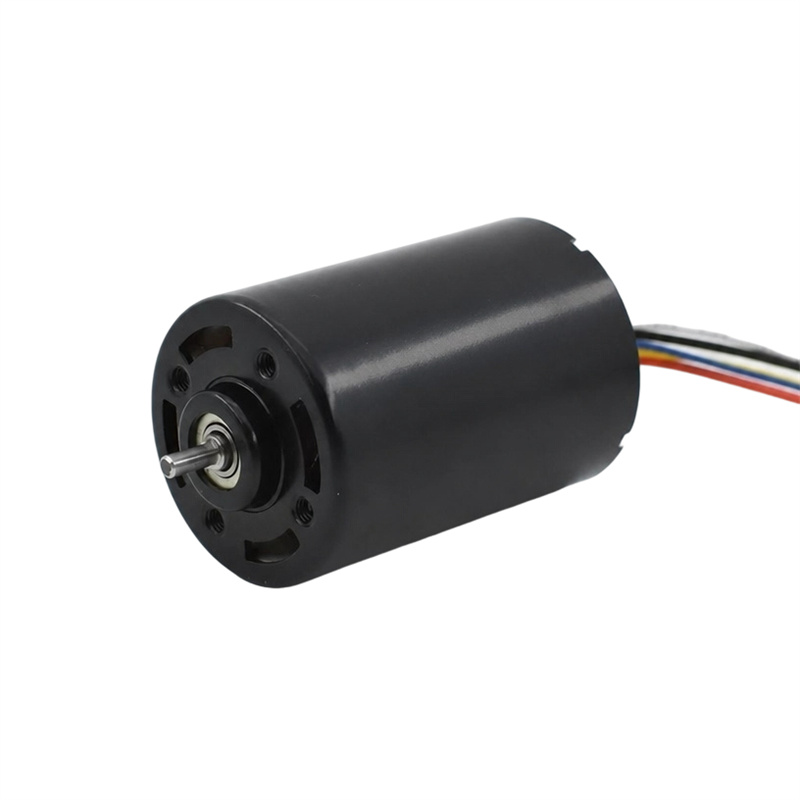
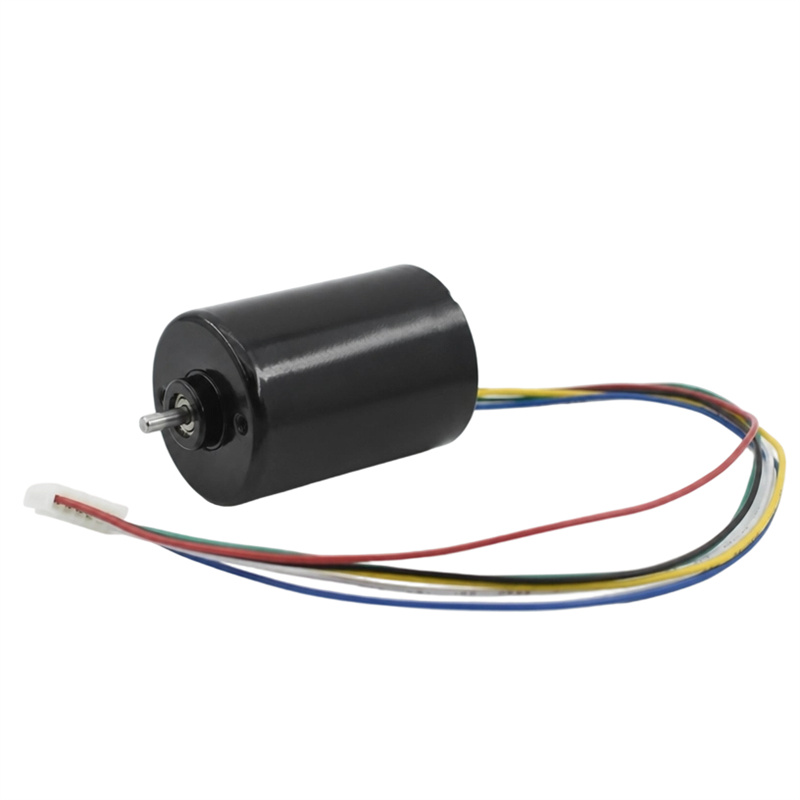
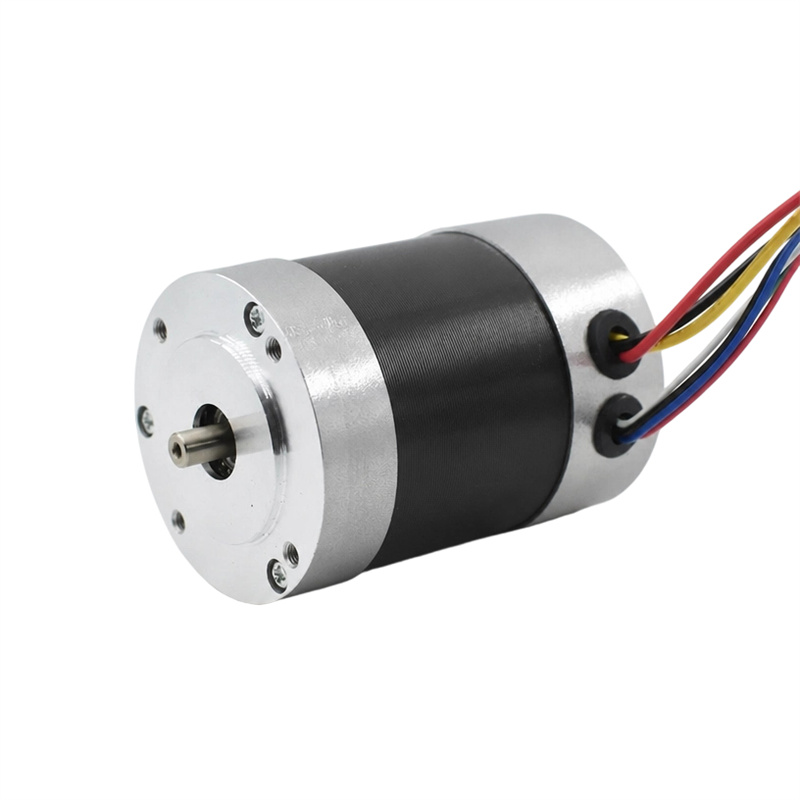
In a brushless motor, the traditional brushes and commutator are eliminated. Instead, the permanent magnets are placed on the rotor, and the coils are stationary on the stator.
The Role of Electronics
Because there are no physical brushes to flip the polarity, a brushless micro DC motors setup requires an electronic controller. This controller senses the position of the rotor (using Hall effect sensors or back EMF) and switches the current between the coils at precisely the right microsecond.
The High-Tech Advantage
- Longevity: Since there are no brushes to wear down, the lifespan is limited only by the quality of the bearings.
- Efficiency: BLDC motors are generally 15% to 25% more efficient than brushed versions, which is critical for battery-powered devices.
- Low Noise: Without the physical friction and electrical arcing of brushes, these motors operate much more quietly.
Comparison Table: At a Glance
To help you visualize the trade-offs, here is a direct comparison of these two types of micro DC motors:
| Feature | Brushed Micro DC Motors | Brushless Micro DC Motors |
| Lifespan | Short to Moderate (Brush wear) | Very Long (Bearing limited) |
| Efficiency | Lower (Friction/Heat) | Higher (Precision control) |
| Complexity | Simple (Direct DC) | High (Requires Controller) |
| Noise Level | Audible (Electrical/Mechanical) | Quiet |
| Total System Cost | Low | High |
| Maintenance | May require replacement | Virtually zero |
Key Factors to Consider for Your Project
When selecting your micro DC motors, consider these four critical pillars of performance:
Duty Cycle and Longevity
If your device is meant to be used for only a few minutes a day (like an electric window in a car), a brushed motor is more than sufficient. However, if you are designing a 24/7 medical pump or an industrial sensor, the longevity of a brushless micro DC motors is worth the extra investment.
Power-to-Weight Ratio
In applications like drones or wearable exoskeletons, every gram matters. Brushless micro DC motors offer a much higher power density, meaning you get more torque and speed out of a smaller, lighter package compared to a brushed motor of the same size.
Electromagnetic Interference (EMI)
Brushes generate tiny sparks as they slide across the commutator. This creates electrical noise that can interfere with sensitive sensors or wireless communication. If your project involves high-precision GPS or delicate medical monitoring, brushless is the safer, "cleaner" choice.
Environment and Sealing
Since brushless motors don't need ventilation to cool down brushes or a path for brush dust to escape, they are often easier to seal against dust and water. This makes them ideal for outdoor robotics or underwater equipment.
Typical Applications in Today's Market
To provide a practical perspective, let's look at where these micro DC motors are currently being utilized:
- Medical Devices: Insulin pumps and surgical tools almost exclusively use brushless micro DC motors for their reliability and quiet operation.
- Consumer Toys: Most low-cost RC cars and simple vibrating toys use brushed motors to keep prices competitive.
- Automotive Tech: Mirrors and seat adjustments use brushed motors, while the high-speed cooling fans and steering actuators are shifting toward brushless.
- Drones: Modern FPV and commercial drones rely on the high-speed precision and efficiency of BLDC micro DC motors to maintain flight stability.
Maintenance and Reliability
One of the biggest hidden costs in engineering is "Failure in the Field." When a brushed micro DC motors fails, it is usually because the brushes have ground down to nothing or the commutator has become fouled with carbon dust.
With brushless technology, you eliminate these failure points. However, you must ensure the electronic controller is well-protected. If the controller fails due to a power surge or heat, the motor is useless. Therefore, choosing a high-quality micro DC motors supplier who provides both the motor and the compatible driver is often the best strategy for long-term reliability.
Making the Final Choice
So, which is best?
- Choose Brushed Micro DC Motors if you are working on a budget-sensitive project, a simple prototype, or a device with a low duty cycle.
- Choose Brushless Micro DC Motors if your project demands high efficiency, long-term reliability, low noise, and high-speed performance.
Ultimately, micro DC motors are the unsung heroes of modern technology. By matching the motor type to your specific operational requirements, you ensure a product that is not only functional but also durable and cost-effective.
News
-
Brush DC Motor Origins and Physical Foundations The Brush DC Motor is a pioneer in converting electrical energy into mechanical motion, and its history is closely intertwined with ...
READ MORE -
Who Is Still Using Brushed DC Motors These Days? Brushed DC motors in small appliances Despite the growing adoption of brushless motor technology, small appliances remain a major c...
READ MORE -
Brush DC Motor Applications in Consumer Electronics and Smart Devices Brush DC Motor Role in Consumer Electronics Design Brush DC Motor plays a critical role in the design and func...
READ MORE

Quick Links
 Home
Home


Copyright © Yuyao Hongyang Micromotor Co., Ltd. All rights reserved.

