


 Eng
Eng 
 русский
 Español

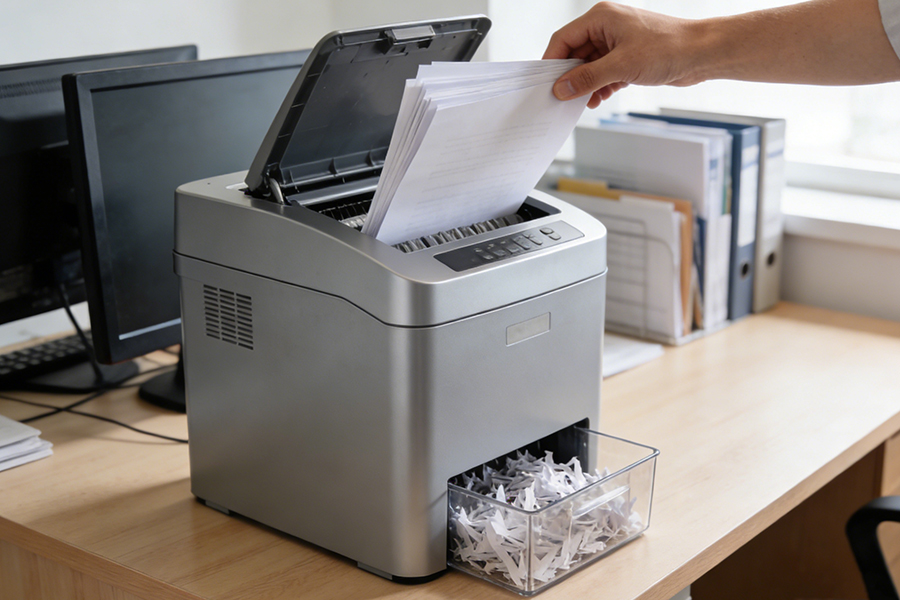
Project Background
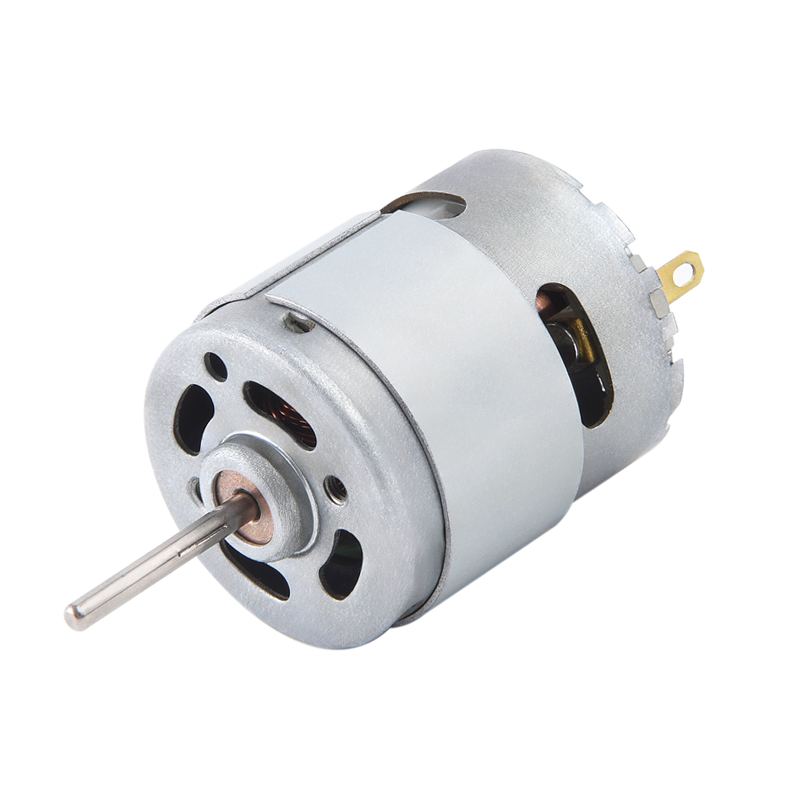
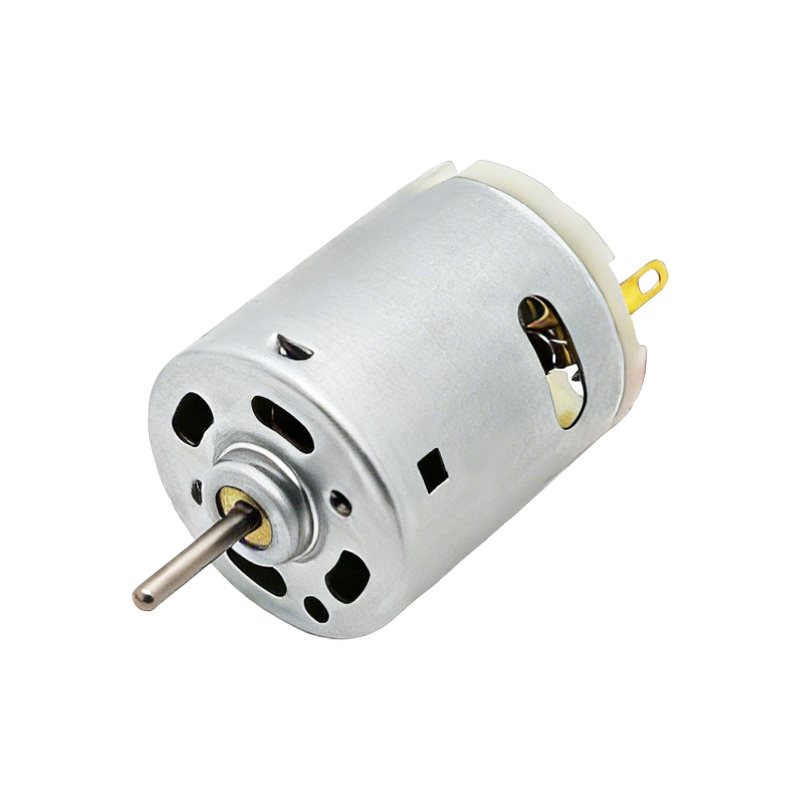
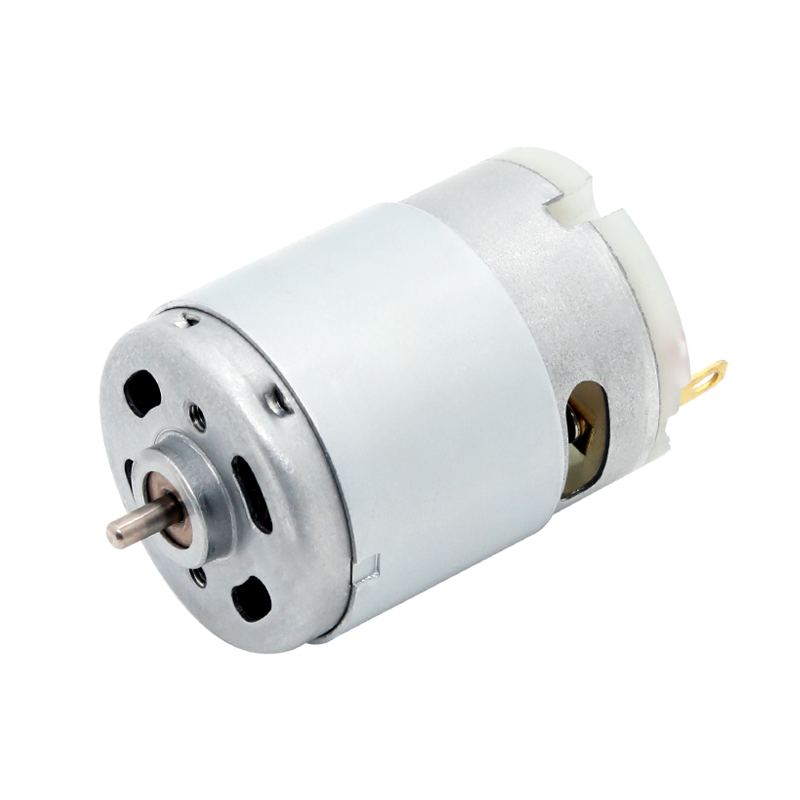
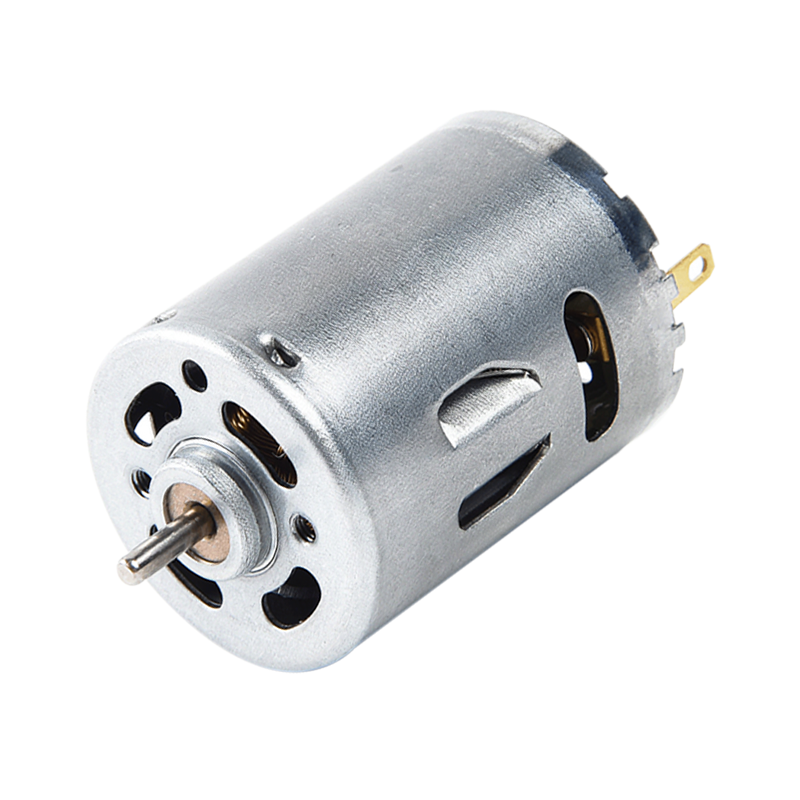
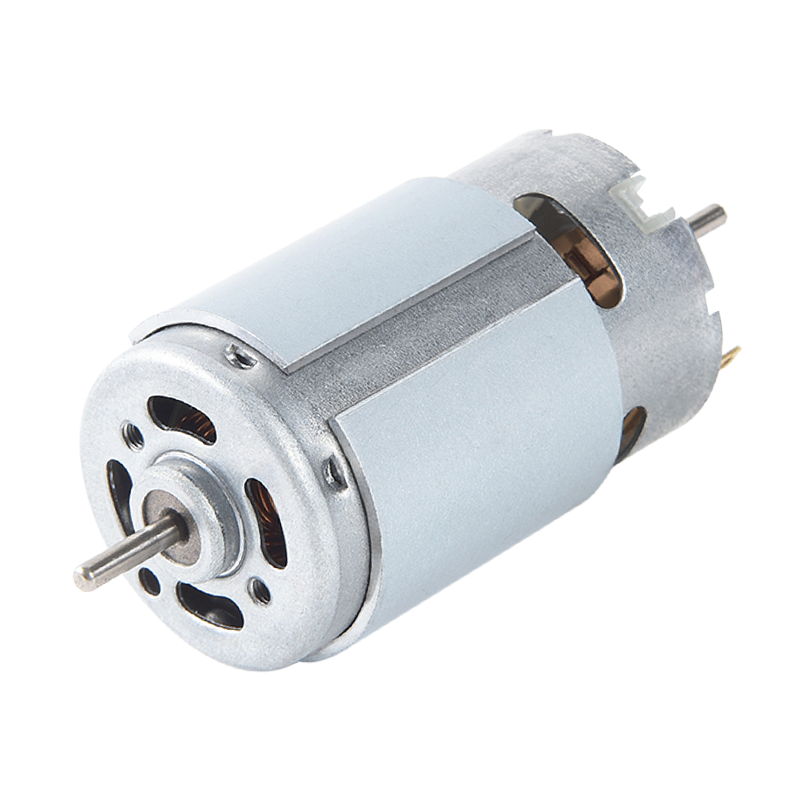
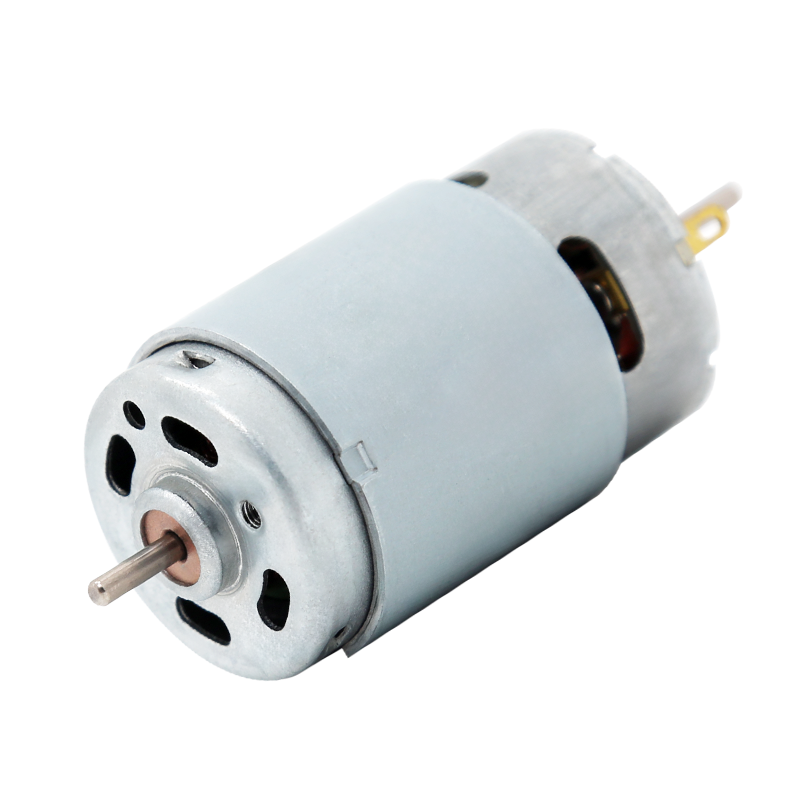
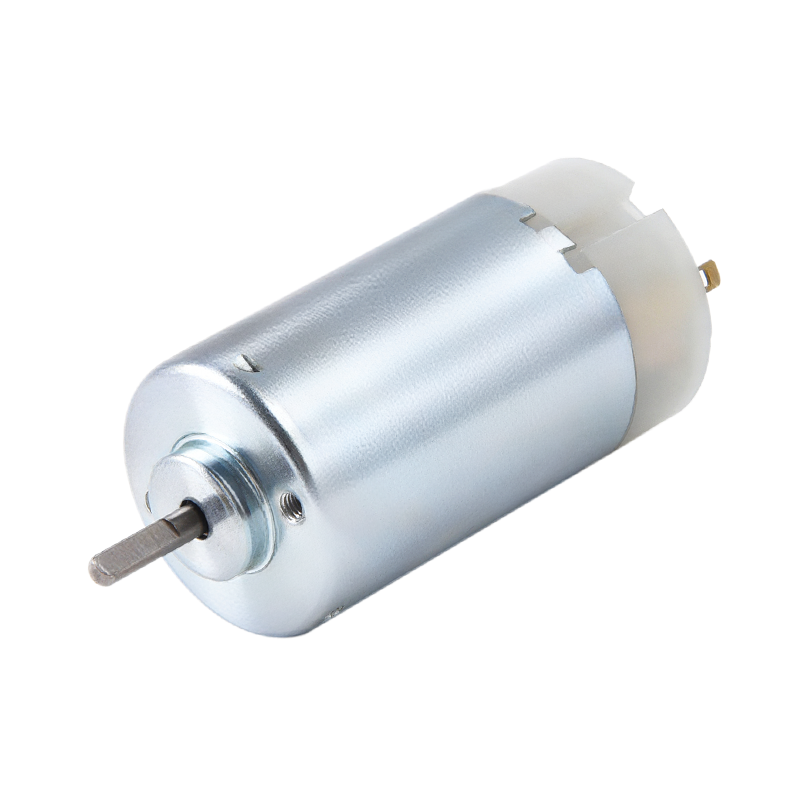
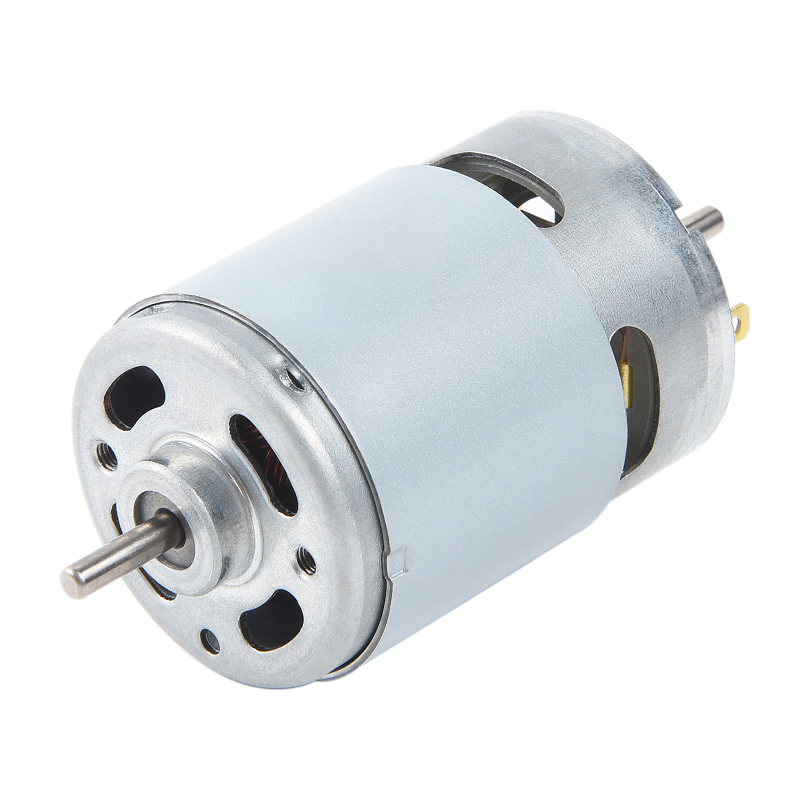
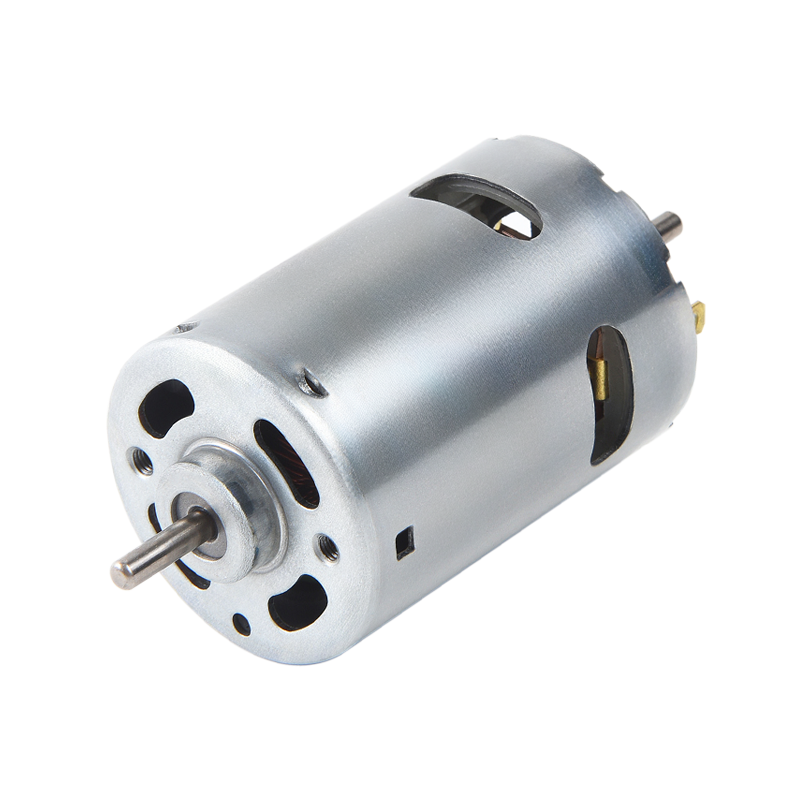
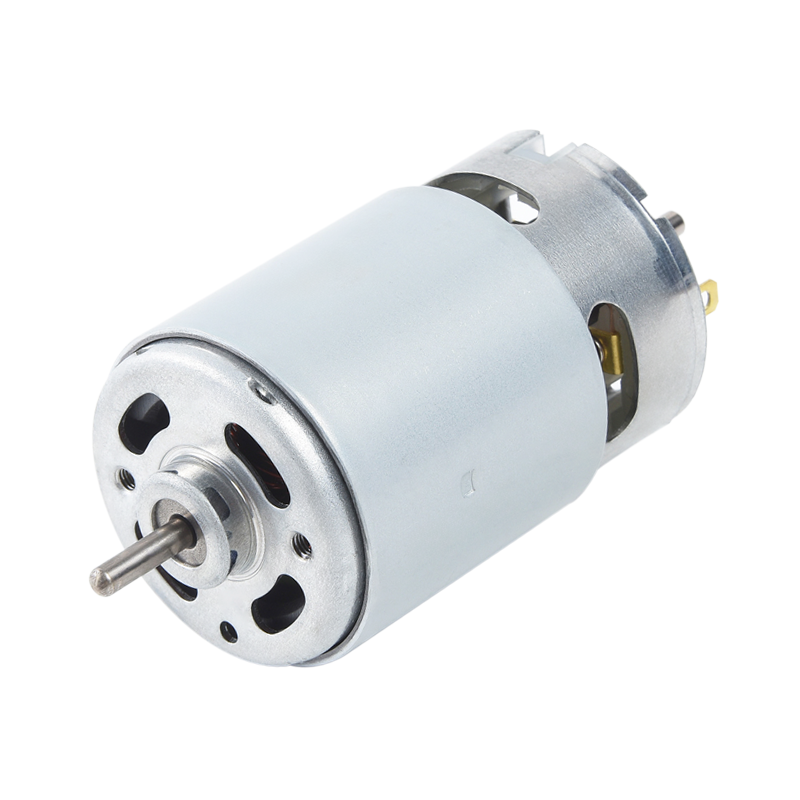
The DC motor is the "heart" of a paper shredder—its performance directly influences shredding speed, operational stability, service lifespan, and even the brand’s overall standing. Whether you need quiet running for home use or non-stop operation in offices, selecting the right motor is key to boosting a paper shredder’s market competitiveness.
Paper shredders have become a necessity for homes, offices, and industrial sites. Their basic working principle is to break down paper via power transmission and mechanical interlocking. First, the DC motor supplies power, which is transferred to the rotating cutter shaft. Sharp blades are evenly attached to this shaft. When paper is inserted into the feed slot, a sensor activates the motor. The blades on the two cutter shafts interlock, acting like two pairs of high-speed spinning scissors, cutting paper into preset shapes—such as strips, small bits, or fine powder. Cutting precision is determined by the number of teeth, the gap between them, and the rotation speed of the cutter rollers. The shredded paper then falls into the collection bin, completing the entire process.
Paper shredders come in various sizes and types. Small models for home and office are compact, quiet, energy-efficient, and easy to use—ideal for shredding a handful of documents at once. Large shredders, by contrast, are heavy-duty, efficient, and durable enough to handle large volumes of mixed materials. Most of a shredder’s functions rely heavily on the motor’s performance. For one thing, shredders are safe to operate, with features like feed slot protection, overload protection, and automatic shutoff when paper jams. Some high-end models also have human sensor protection to prevent injuries, which requires the motor to start and stop precisely and withstand overloads. For another, shredding levels range from strips to fine powder—the finer the shred, the more stable the motor’s speed and the smoother the cutter rollers must cooperate. Additionally, functions like auto-feeding, one-touch start-stop, and automatic reverse during jams depend on the motor’s ability to adjust speed flexibly and deliver consistent power.
When choosing a motor, some buyers and R&D personnel often make mistakes such as "blind parameter stacking" or "poor scenario matching." They only focus on surface specifications like power and speed, neglecting how well torque adaptability, heat dissipation design, and protection level align with real-world use. This eventually leads to frequent issues: motor burnout from overload, excessive noise, high energy consumption, and shortened service life. These problems will undoubtedly damage the brand’s reputation and weaken its market competitiveness.
With over 30 years of experience in micro DC motors, Hongyang Micro Motor leverages its extensive industry expertise and technical proficiency to provide customized motor solutions for paper shredders across all scenarios. From parameter adjustment and structural optimization to quality control, we help businesses steer clear of common motor selection mistakes and enhance their products’ core competitiveness.



 Home
Home



