

 Eng
Eng 
 русский
 Español

 Home / News / Industry News / How BLDC Works: A Practical Guide to Brushless DC Motor Operation and Control
 How BLDC Works: A Practical Guide to Brushless DC Motor Operation and Control
 2026.10.07
 Industry News
Few components have changed the way small electric machines perform as quietly and efficiently as the brushless DC motor. Whether you're designing a robot, a smart-home appliance, or a medical device, you have probably considered BLDC technology. But how BLDC works is not always obvious, especially if your background is in traditional brushed motors. This guide explains the operating principle in straightforward terms, discusses the controller's role, and highlights what makes brushless DC motors so valuable in real products.
What Is a Brushless DC Motor?
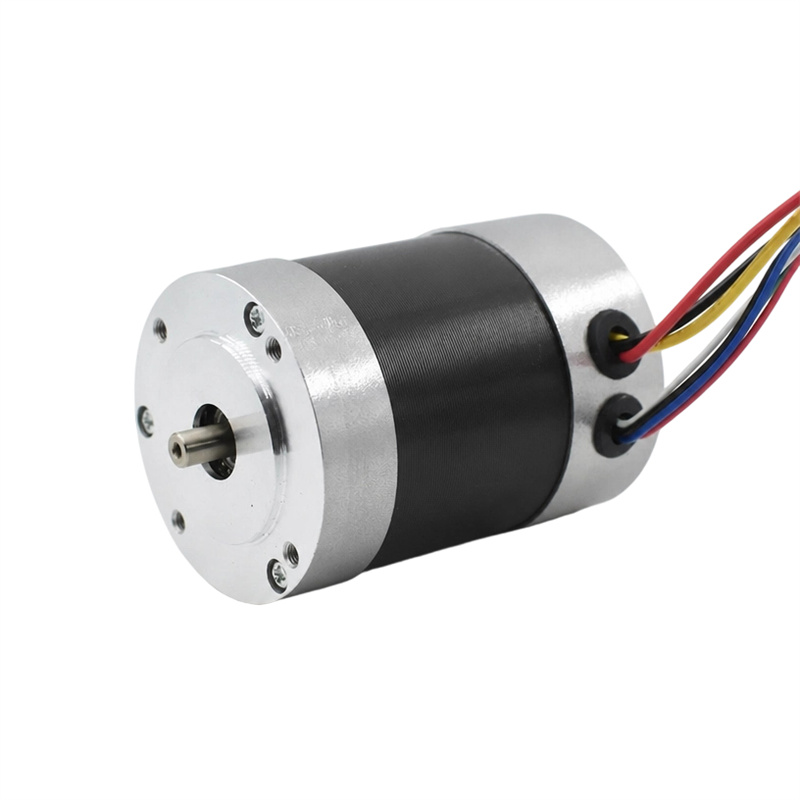
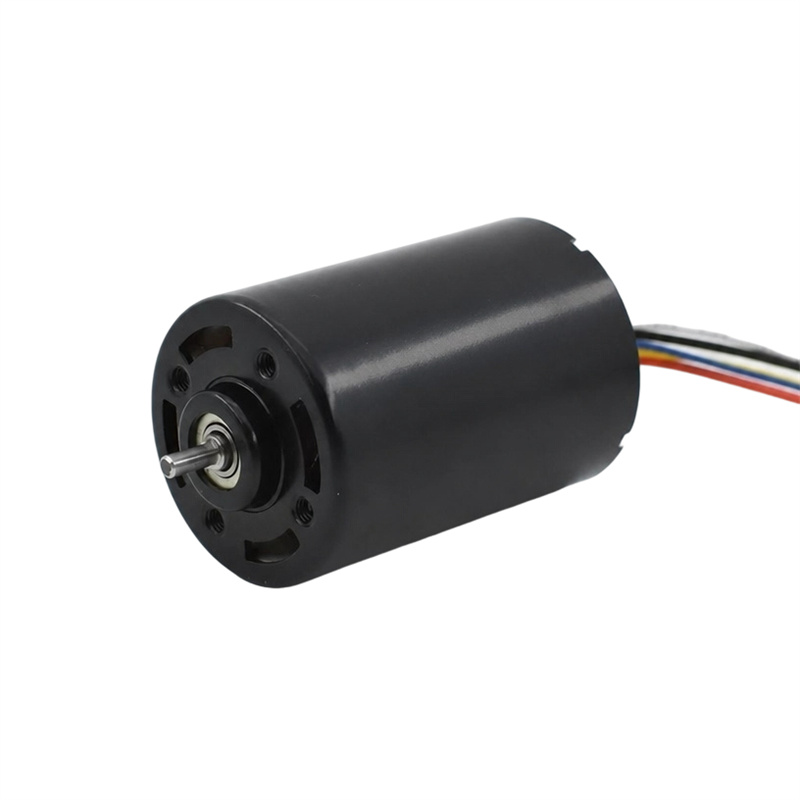
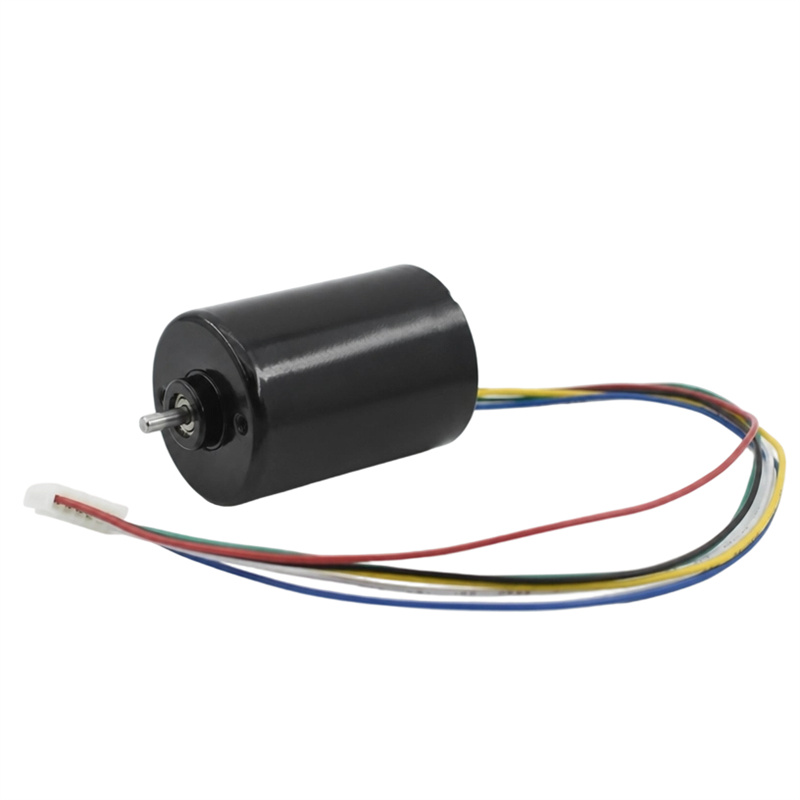
A brushless DC motor, or BLDC motor, is a synchronous electric motor driven by direct current. In a conventional brushed DC motor, the rotor carries coiled windings and carbon brushes rub against a commutator to deliver current. In a BLDC motor, the arrangement is reversed: permanent magnets are mounted on the rotor, while the stator is made of copper windings. Because there are no brushes to wear out and no commutator to arc, the motor runs cleaner and lasts much longer.
How BLDC Works: The Basic Principle
To understand how BLDC works, think about magnetic attraction. The rotor is a permanent magnet (or a set of magnets), and the stator windings behave like electromagnets. When current flows through a winding, it creates a magnetic pole that can attract or repel the rotor. By switching current from one winding to the next in the correct order, you create a rotating magnetic field that pulls the rotor behind it.
Step 1: The stator creates a rotating magnetic field
Instead of using mechanical brushes to switch current, a BLDC motor uses an electronic controller to energize the stator windings in a sequence. In a typical three-phase BLDC motor, the controller applies voltage to two of the three windings at a time, leaving the third winding unpowered. The resulting magnetic field advances around the stator, always staying ahead of the rotor.
Step 2: The permanent magnet rotor follows the field
The rotor magnets naturally try to align with the stator field. Because the controller continuously moves the field position, the rotor keeps chasing it. The angular difference between the rotor and the stator field is the torque angle, and it directly affects how much torque the motor produces.
Step 3: Electronic commutation replaces mechanical brushes
Commutation is the process of changing current direction in the windings. In a brushed motor, this is done mechanically by the commutator and carbon brushes. In a BLDC motor, it is done electronically with power transistors such as MOSFETs. That is why BLDC motors are also called electronically commutated motors.
Step 4: Rotor position detection keeps everything in sync
The controller needs to know where the rotor is before it can energize the correct winding. Many BLDC motors use Hall effect sensors mounted in the stator. These sensors detect the rotor's magnetic field and send signals to the controller. Other designs are sensorless: they estimate rotor position from the back EMF generated in an unpowered winding.
Step 5: Continuous feedback creates smooth rotation
In a sensor-based motor, the controller reads Hall sensor states and updates the winding sequence many times per revolution. This closed-loop commutation produces steady torque, low noise, and no sparking. It also gives the motor precise speed control over a wide range.
What Does the ESC Do?
The controller is often called an ESC, or electronic speed controller, especially in drones and hobby equipment. In industrial applications, it is usually called a BLDC motor driver. Whatever the name, the ESC has three jobs: start the motor, switch the windings in the right order, and regulate speed and torque.
Speed is commonly controlled through pulse width modulation (PWM). The ESC rapidly turns the DC voltage on and off, and the average voltage applied to the motor determines its speed. At the same time, the ESC monitors rotor position and current, allowing it to protect the motor from overload and stall conditions.
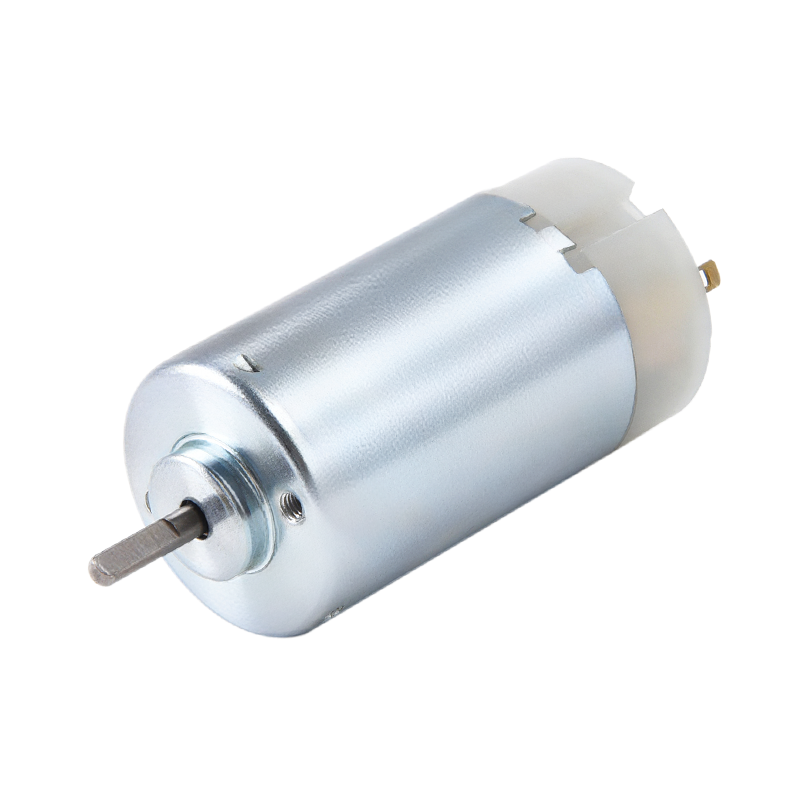
Brushed vs Brushless DC Motors
Looking at how BLDC works helps clarify why it has become the preferred option in so many new designs. The table below summarizes the key differences between brushed and brushless DC motors in micro-motor applications.
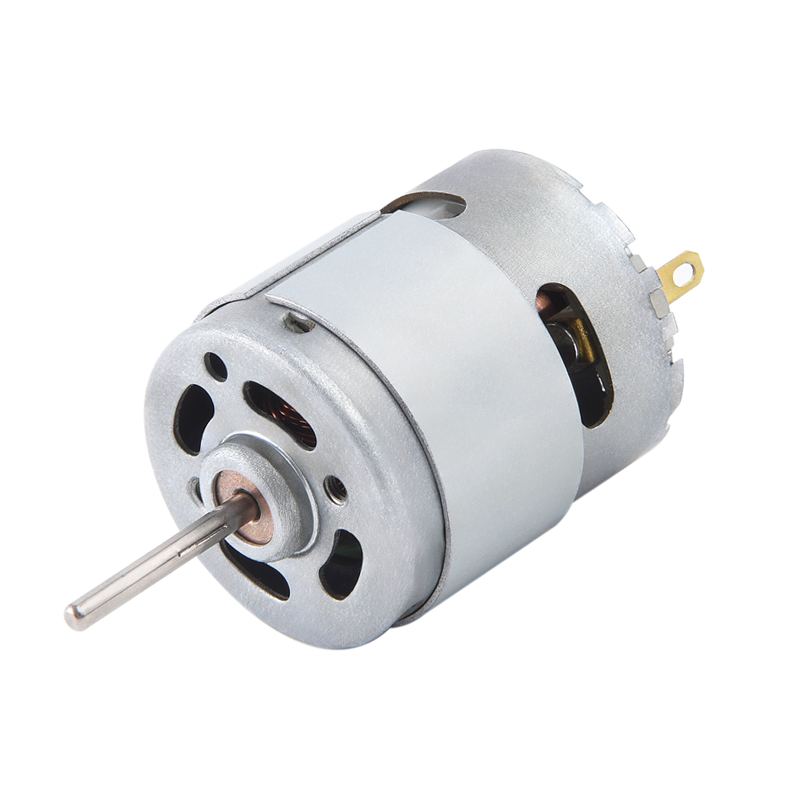
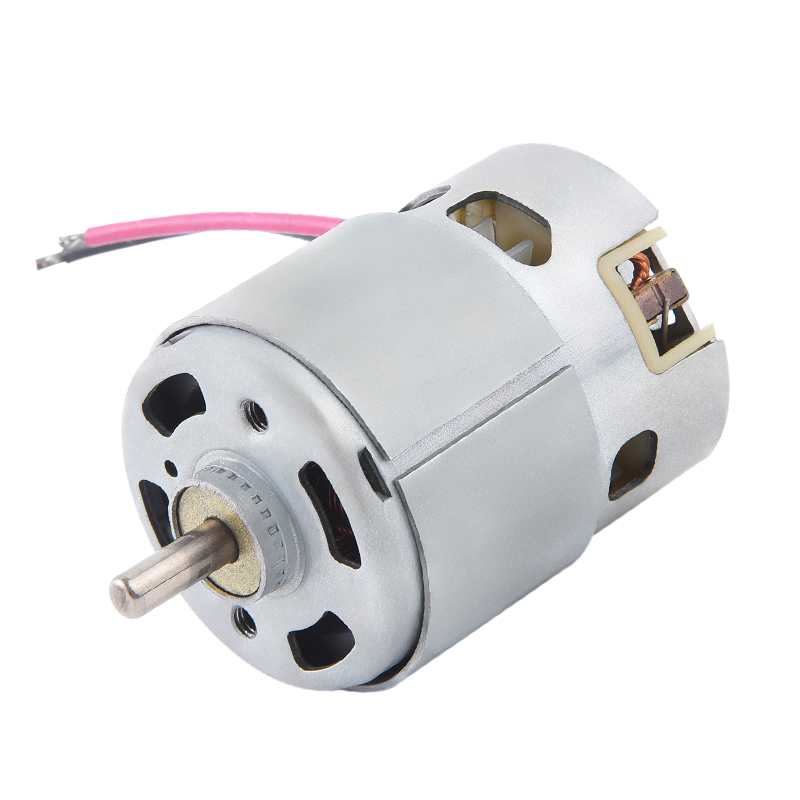
| Feature | Brushed DC Motor | Brushless DC Motor |
|---|---|---|
| Commutation | Mechanical via brushes and commutator | Electronic via controller |
| Rotor construction | Windings on the rotor | Permanent magnets on the rotor |
| Stator construction | Magnets or wound stator | Copper windings on the stator |
| Maintenance | Brushes need periodic replacement | Minimal maintenance required |
| Noise and EMI | Brush arcing can generate EMI | Quieter, low electrical noise |
| Speed control | Simple voltage control | Requires ESC or driver |
| Efficiency | Moderate | Higher |
| Typical lifetime | Shorter due to brush wear | Longer |
Why BLDC Motors Are Used in Real Applications
The combination of high efficiency, long life, and controllable torque makes BLDC motors a natural fit for products that need to run continuously or operate with precision. In our daily work, we see designers choose BLDC technology for everything from drone propulsion to industrial automation. Many industrial robots rely on the smooth low-speed torque of brushless motors to position arms and grippers accurately. High-efficiency vacuum cleaners use BLDC motors to spin at high speed while producing less heat and less noise.
The practical benefits are easy to see:
- Higher efficiency means less wasted heat and better battery life.
- No brushes means lower maintenance and no carbon dust inside the motor.
- Electronic commutation means smooth acceleration and precise speed regulation.
For lightweight, high-thrust applications such as a multi-rotor drone, the motor's power density and fast response are important. A brushless motor designed for this duty must balance stator resistance, magnet grade, and mechanical balance to deliver efficient thrust.
Selecting the Right BLDC Motor
Once you understand the working principle, selecting a motor becomes a matter of matching electrical, mechanical, and environmental requirements. Start with the nominal voltage and current available in your system. Then look at the motor's KV rating, which relates speed to voltage, and its torque constant, which relates current to torque.
When comparing BLDC motor candidates, run through a simple checklist:
- What voltage and current are available in the product?
- What continuous and peak torque are required at the operating speed?
- Does the motor need Hall sensors for low-speed precision, or is sensorless control acceptable?
- What mechanical and environmental constraints exist, such as size, weight, and temperature?
Sensor-based motors are preferred for robotics, medical devices, and other applications that require precise positioning or start-up under load. Sensorless BLDC motors are common in fans and pumps where the load is predictable.
If you are designing a new product, it is worth discussing the duty cycle, ambient temperature, and expected lifetime before selecting a motor. A manufacturer with experience in micro-motors can help you choose the right wire gauge, magnet material, and bearing system for your specific application.
Conclusion
How BLDC works can be summarized in one sentence: an electronic controller creates a rotating magnetic field in the stator, and a permanent-magnet rotor follows that field because the controller keeps commutating the windings in the right sequence. This simple principle eliminates brushes, improves efficiency, and gives engineers precise control over speed and torque.
As a micro-motor manufacturer with more than three decades of production experience, we encourage product teams to evaluate BLDC technology whenever reliability, energy efficiency, and clean operation matter. Start with the operating principle, review your load profile, and choose a motor partner that understands the details.
News
-
Brush DC Motor Origins and Physical Foundations The Brush DC Motor is a pioneer in converting electrical energy into mechanical motion, and its history is closely intertwined with ...
READ MORE -
Who Is Still Using Brushed DC Motors These Days? Brushed DC motors in small appliances Despite the growing adoption of brushless motor technology, small appliances remain a major c...
READ MORE -
Brush DC Motor Applications in Consumer Electronics and Smart Devices Brush DC Motor Role in Consumer Electronics Design Brush DC Motor plays a critical role in the design and func...
READ MORE

Quick Links
 Home
Home


Copyright © Yuyao Hongyang Micromotor Co., Ltd. All rights reserved.

