

 Eng
Eng 
 русский
 Español


Methods for Controlling the Speed of a DC Motor
 2026.06.16
 Industry News
Speed control is one of the most important performance characteristics of a DC motor, and it is a key reason why DC motors remain widely used in applications that demand precise, adjustable, and responsive motion. Unlike AC motors, whose speed is closely tied to the frequency of the power supply, the speed of a DC motor can be adjusted smoothly and economically through several well-established methods. Understanding these methods allows engineers and product designers to select the most suitable approach for a given application, balancing factors such as cost, efficiency, torque requirements, and control complexity.
The speed of a DC motor is governed by the relationship between the armature voltage, the back electromotive force, the armature resistance, and the magnetic flux produced by the field. By manipulating any of these factors, the rotational speed of the motor can be increased or decreased. In practice, this is achieved primarily through three electrical control methods, while a fourth, purely mechanical approach using a gearbox reducer — which is now a mainstream and critical method in motor solution design — provides speed regulation without any modifications to the motor’s electrical system.
Armature Voltage Control
Armature voltage control is the most common and widely applied method of adjusting DC motor speed. Since motor speed is approximately proportional to the voltage applied across the armature winding, increasing the supply voltage causes the motor to rotate faster, while decreasing it slows the motor down. This relationship makes armature voltage control an intuitive and highly effective means of achieving smooth, continuous speed adjustment.
In modern applications, armature voltage is typically regulated using pulse width modulation (PWM), where the average voltage delivered to the motor is varied by rapidly switching the supply on and off at a controlled duty cycle. This approach offers excellent efficiency, fast response, and a wide speed adjustment range, while generating relatively little heat compared to resistive methods. Armature voltage control is particularly well suited for applications below the motor's rated speed, where it maintains a relatively constant torque output across the adjustable speed range, making it the preferred choice for precision drives, automated equipment, and battery-powered devices.
Field Flux Control
For DC brushed motors, back electromotive force is determined by magnetic flux and rotational speed. The armature voltage is the total of back electromotive force and the voltage drop on armature windings. Since the winding voltage drop is very small in regular operation, the armature voltage is roughly equivalent to back electromotive force.
When armature voltage and load torque are kept constant, motor speed is inversely proportional to magnetic flux. A reduction in magnetic flux will lower back electromotive force, increase the armature circuit voltage difference and raise armature current. The higher current compensates for torque loss from weakened magnetic flux and maintains stable output torque. Eventually, the motor runs faster with smaller magnetic flux, and slower with larger magnetic flux.
For DC motors with field windings, magnetic flux can be adjusted by varying the field current. A variable resistor connected in series within the power circuit of the field coil enables regulation: reducing the resistance will increase the field current, strengthen the magnetic field and raise the magnetic flux.
Permanent magnet DC motors are not equipped with field windings, and their magnetic field is supplied by permanent magnets. To increase magnetic flux, magnets with higher magnetic performance can be used. Furthermore, the magnetic retaining ring is a high magnetic permeability component. It restrains stray magnetic flux from the magnets and optimizes the internal magnetic circuit. Installing a magnetic retaining ring reduces magnetic loss and increases the effective magnetic flux for electromechanical energy conversion.
Armature Resistance Control
Armature resistance control achieves speed reduction by inserting a variable resistor in series with the armature circuit. As resistance increases, the voltage drop across the resistor increases, leaving less voltage available to drive the motor and resulting in lower speed. Conversely, reducing the resistance allows more voltage to reach the armature, increasing speed up to the motor's rated value.
While this method is simple, low in cost, and easy to implement, it has notable drawbacks. A significant portion of input energy is dissipated as heat in the resistor, resulting in lower overall efficiency, particularly at reduced speeds. In addition, this method only allows speed reduction below the rated speed and provides relatively coarse control compared to electronic methods. As a result, armature resistance control is generally limited to lower-power applications, basic control systems, or situations where occasional, non-critical speed adjustment is sufficient and electronic drive solutions are not justified by cost.
Adding a Gearbox Reducer
In addition to the electrical control methods described above, output speed can also be adjusted mechanically by coupling the DC motor to a gearbox reducer. A gearbox reduces the rotational speed delivered by the motor shaft while proportionally increasing the available torque at the output shaft, according to the gear reduction ratio selected for the application.
This approach is especially valuable when an application requires a fixed, predictable output speed that is significantly lower than the motor's natural operating range, or when high torque at low speed is needed without placing excessive electrical demands on the motor itself. Because the motor can continue to operate near its optimal speed and efficiency range while the gearbox handles the speed reduction, this combination often delivers better overall efficiency and durability than relying on electrical methods alone to achieve very low output speeds. Gearbox reducers are widely used in conjunction with brushed DC motors across robotics, industrial automation, home appliances, and power tool applications, and they can be combined with any of the electrical speed control methods above for further fine-tuning of the final output speed.
Conclusion
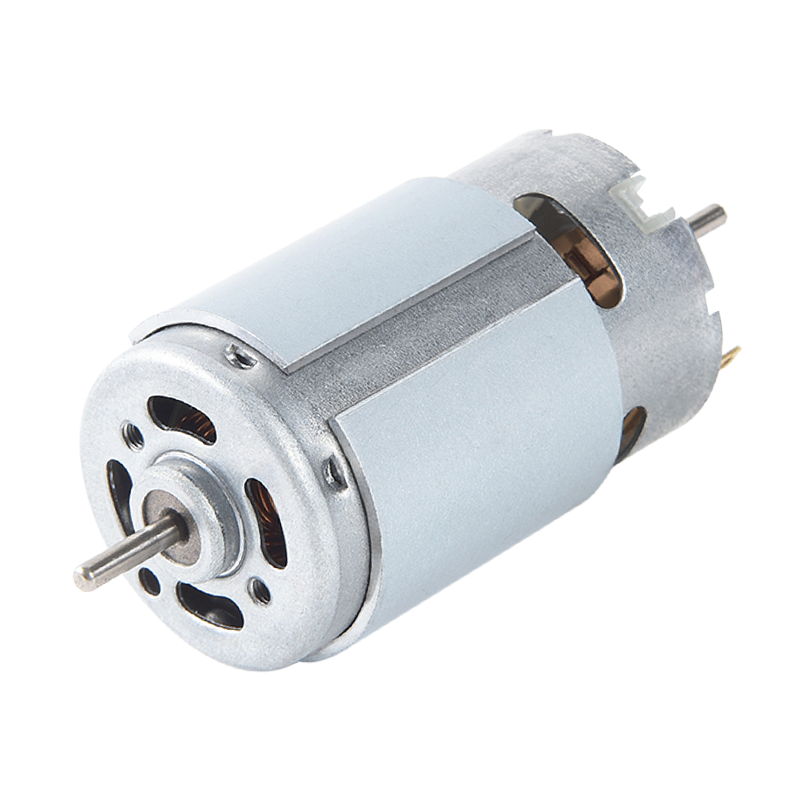
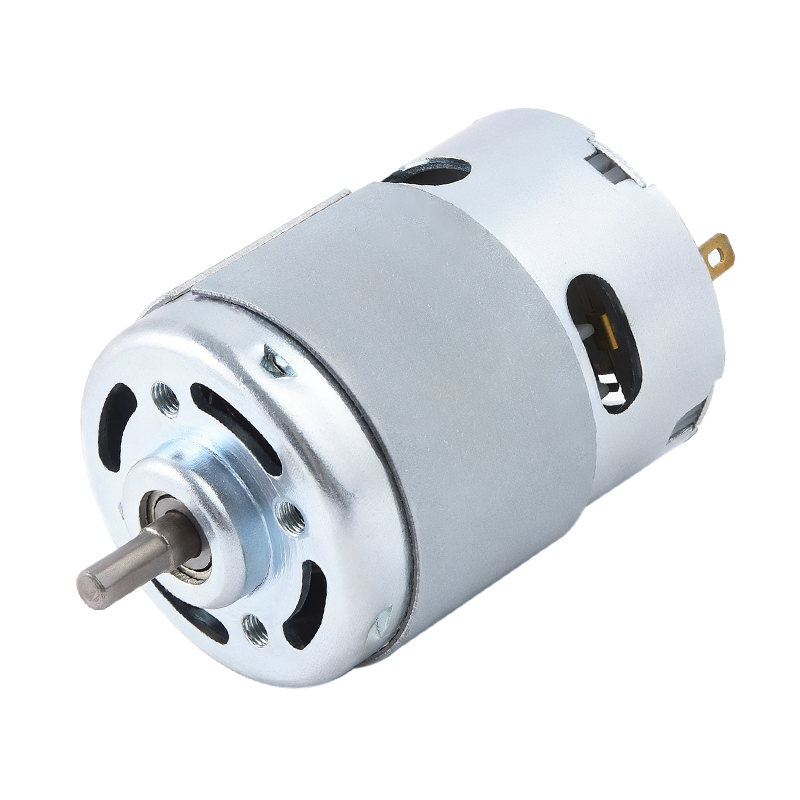
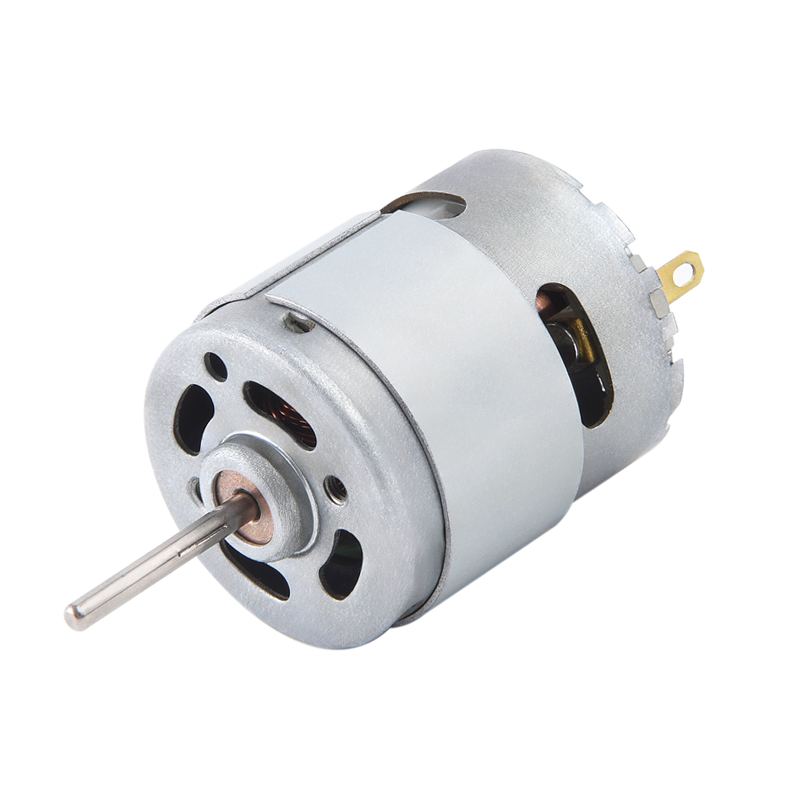
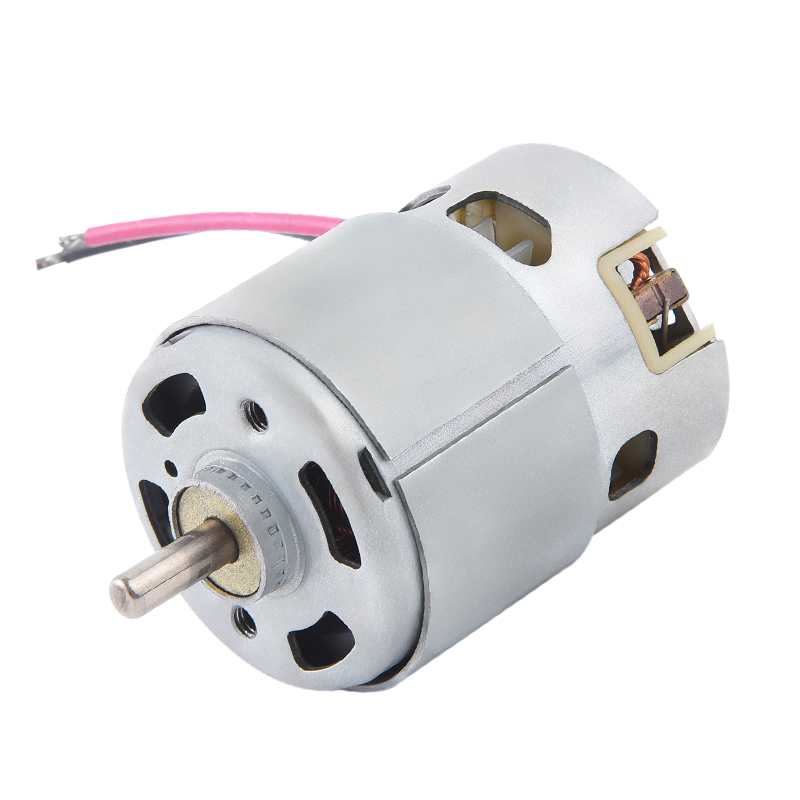
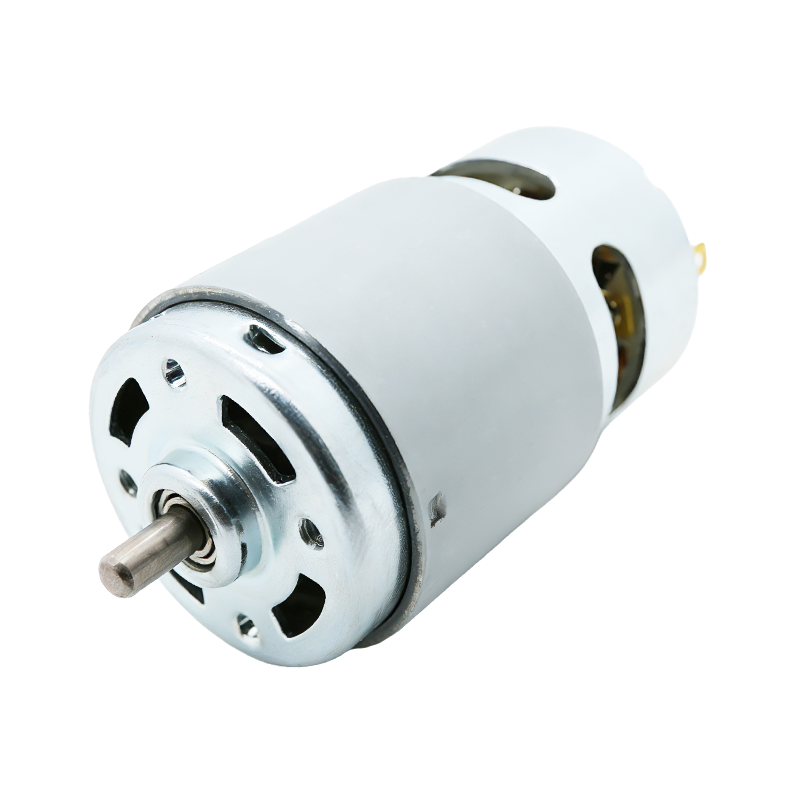
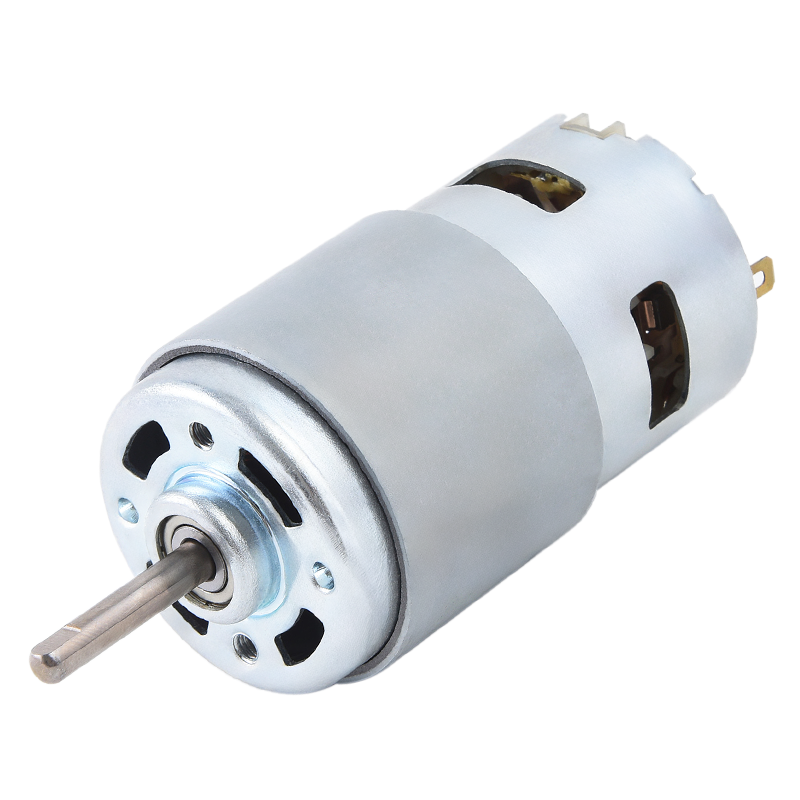
Speed control of DC motors is critical for optimizing system performance, enhancing energy efficiency and achieving designed functions. When choosing a suitable solution, it is essential to take full account of actual application demands, energy efficiency goals and cost budgets. Hongyang Motor’s brushed DC motors feature flexible design and are compatible with various speed control solutions to satisfy differentiated customer needs. We offer comprehensive product configurations and professional technical support to help equipment reach its best operating state.
News
-
Brush DC Motor Origins and Physical Foundations The Brush DC Motor is a pioneer in converting electrical energy into mechanical motion, and its history is closely intertwined with ...
READ MORE -
Who Is Still Using Brushed DC Motors These Days? Brushed DC motors in small appliances Despite the growing adoption of brushless motor technology, small appliances remain a major c...
READ MORE -
Brush DC Motor Applications in Consumer Electronics and Smart Devices Brush DC Motor Role in Consumer Electronics Design Brush DC Motor plays a critical role in the design and func...
READ MORE

Quick Links
 Home
Home


Copyright © Yuyao Hongyang Micromotor Co., Ltd. All rights reserved.

