

 Eng
Eng 
 русский
 Español

 Home / News / Industry News / Understanding DC Motors: How to Make a Simple Build vs. Professional Micro DC Motors
 Understanding DC Motors: How to Make a Simple Build vs. Professional Micro DC Motors
 2026.06.03
 Industry News
A DC motor converts direct current electrical energy into mechanical rotational energy using the interaction between a magnetic field and current-carrying conductors. You can build a basic DC motor with a battery, copper wire, a permanent magnet, and a paper clip commutator in under 30 minutes — but understanding the full construction process reveals why commercial motors, especially micro DC motors, are engineered to such precise tolerances. This article covers everything from homemade builds to professional micro motor specifications.
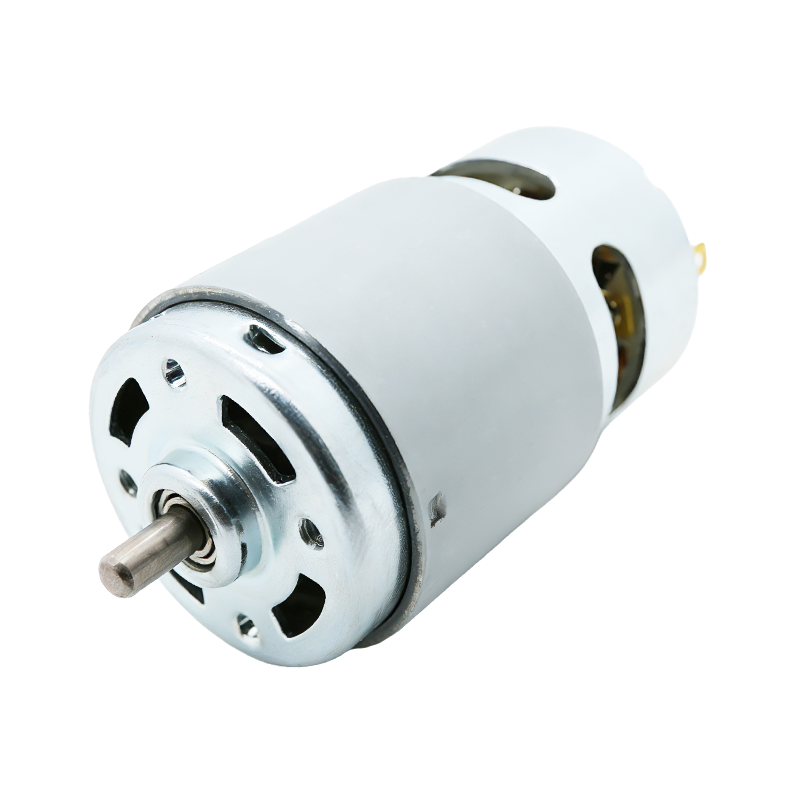
Core Components of Every DC Motor
Before building or selecting a DC motor, you need to understand its fundamental parts. Each component plays a non-negotiable role in converting electricity to rotation.
- Stator: The stationary part that provides the magnetic field, either via permanent magnets or field windings.
- Rotor (Armature): The rotating part wound with copper coils that carries current and generates torque.
- Commutator: A segmented copper ring that reverses current direction in the armature coils to maintain continuous rotation.
- Brushes: Carbon or graphite contacts that transfer current from the external circuit to the commutator.
- Shaft: The output axle that delivers mechanical power to the load.
- Housing/Frame: Provides structural support and magnetic flux path in iron-core designs.
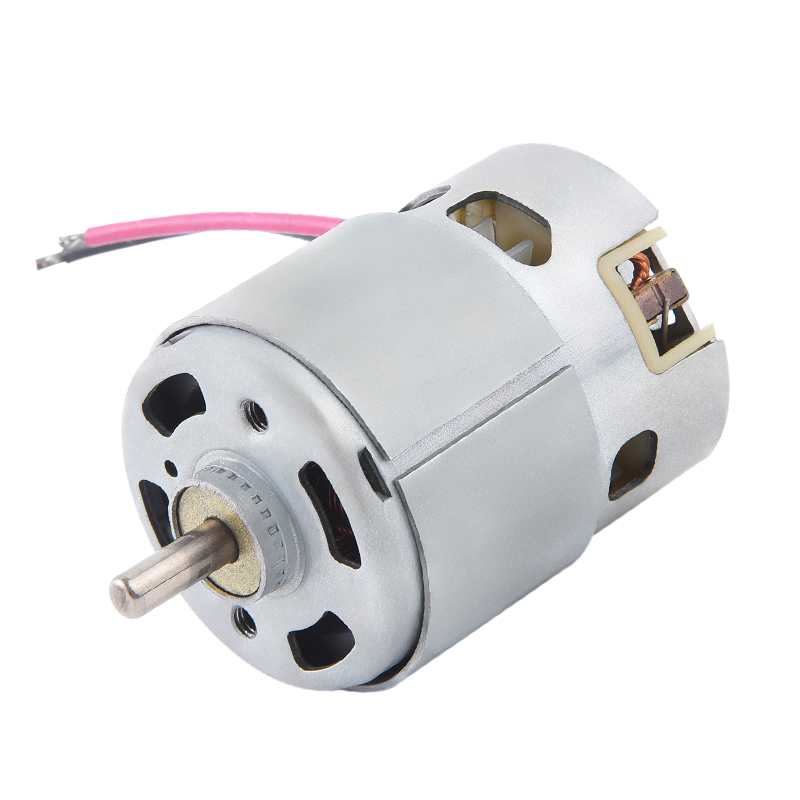
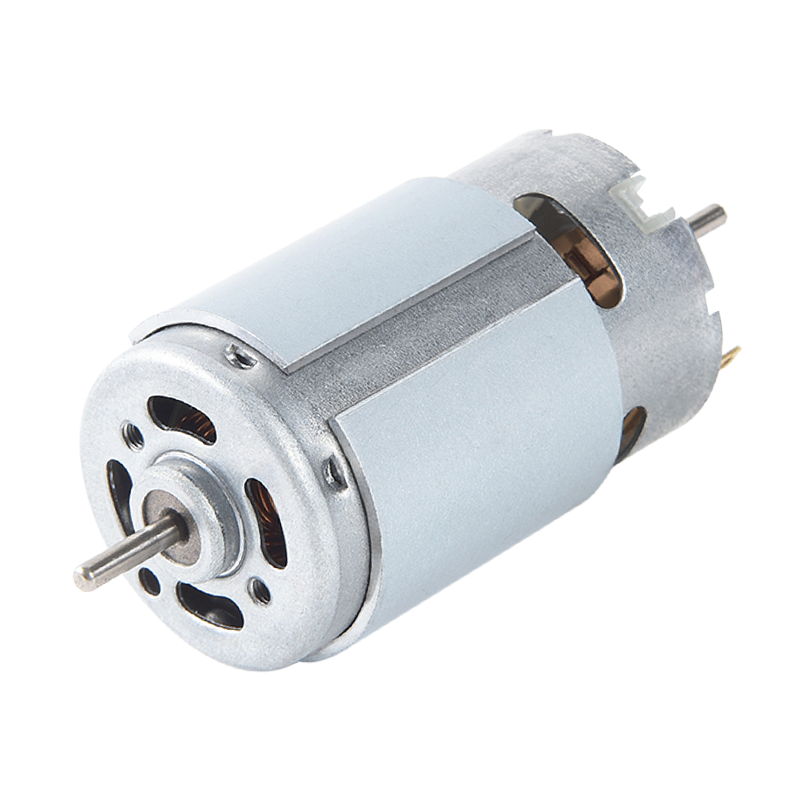
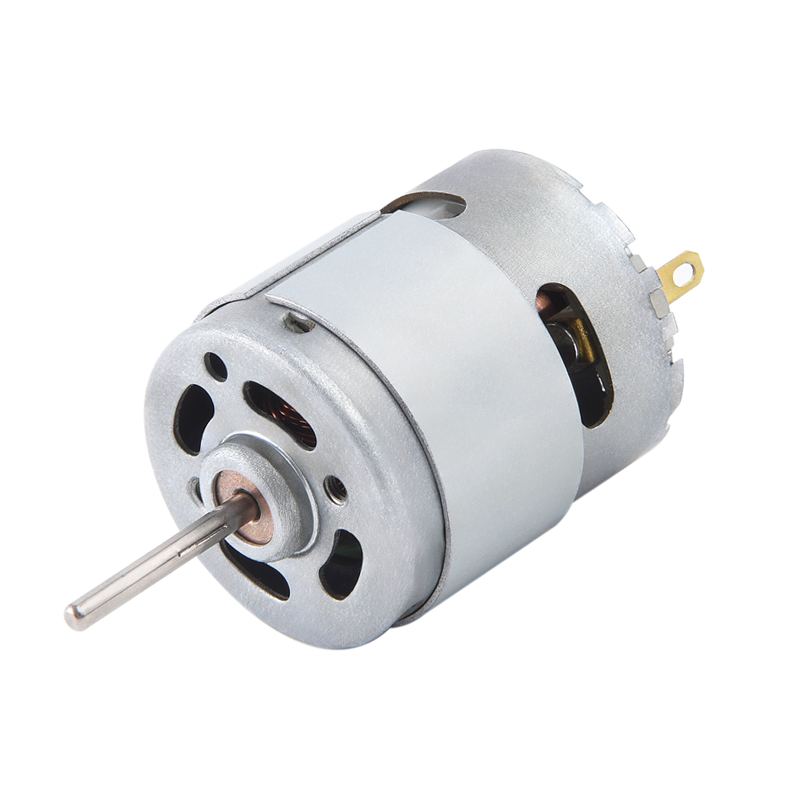
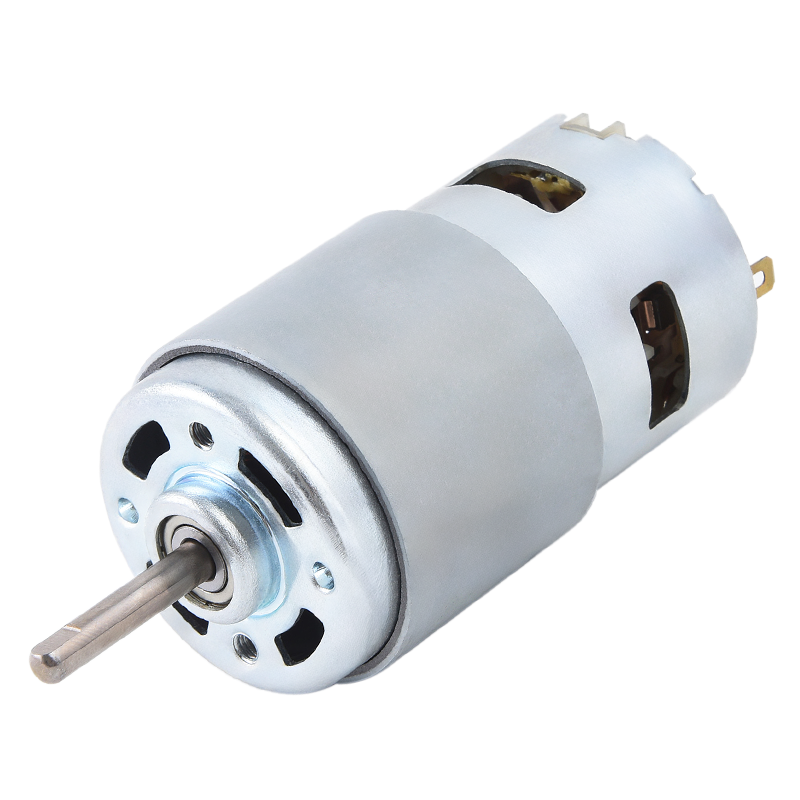
In micro DC motors used in devices like drones, hearing aids, or precision medical equipment, all six components are miniaturized to diameters as small as 4 mm, yet the underlying physics remains identical to a full-size industrial motor.
How to Make a Basic DC Motor: Step-by-Step
This DIY build demonstrates the operating principle using household materials. It is ideal for students, educators, and engineers who want a hands-on reference model.
Materials Required
- 1.5 V or 3 V AA battery (or battery holder)
- Approximately 1 meter of 26 AWG enameled copper magnet wire
- Two large steel safety pins or paper clips (for brush supports)
- One neodymium or ceramic disc magnet (minimum 10 mm diameter)
- Sandpaper (fine grit, 400+)
- Electrical tape or rubber band to secure connections
Step-by-Step Construction
- Wind the armature coil: Wrap the copper wire tightly around a cylindrical object (e.g., a AA battery) 15–20 times to form a compact coil. Leave approximately 3 cm of wire extending from each end as leads.
- Secure the coil: Wrap the two free ends around the coil body twice to hold the shape. The leads should extend axially from the center of each side.
- Prepare the commutator contacts: On one lead, sand the enamel off all sides completely. On the other lead, sand only the top half of the enamel away. This asymmetry creates the commutating effect — current flows only during half the rotation.
- Build the brush supports: Bend two paper clips into U-shaped cradles and attach them to the positive and negative terminals of the battery using tape. The coil leads will rest and spin inside these cradles.
- Balance the coil: Place the coil leads into the paper clip cradles. If the coil spins unevenly, gently reshape it so its center of mass aligns with the rotational axis.
- Position the magnet: Place the neodymium magnet directly beneath or above the coil. The field should be perpendicular to the coil plane at rest position.
- Test and troubleshoot: Give the coil a gentle spin. If it does not continue rotating, check contact quality at the cradles, re-sand the leads, or flip the magnet polarity. A working motor will typically reach 1,000–3,000 RPM on a 1.5 V supply depending on coil mass and magnet strength.
DC Motor Winding Configurations and Their Impact
In commercial DC motors, the way field windings and armature windings are connected determines the motor's speed-torque behavior. There are four standard configurations:
| Winding Type | Connection | Speed Regulation | Typical Application |
|---|---|---|---|
| Series | Field in series with armature | Poor (speed drops under load) | Electric traction, cranes |
| Shunt | Field in parallel with armature | Good (near-constant speed) | Lathes, fans, conveyors |
| Compound | Both series and shunt windings | Moderate | Elevators, presses |
| Permanent Magnet | No field winding; fixed magnets | Good | Micro DC motors, toys, robotics |
Permanent magnet DC (PMDC) motors dominate the micro motor segment because eliminating field windings reduces size, weight, and power losses simultaneously. Most micro DC motors under 50 mm in diameter use this configuration.
Micro DC Motors: Specifications, Sizes, and Selection Criteria
Micro DC motors are miniaturized versions of standard DC motors, typically defined as motors with a body diameter below 36 mm and an operating voltage between 1.5 V and 24 V. They are engineered for precision, low power consumption, and high rotational speed relative to their size.
Common Micro DC Motor Size Classes
| Designation | Diameter (mm) | Typical Voltage (V) | No-Load Speed (RPM) | Stall Torque (mNm) |
|---|---|---|---|---|
| 4 mm class | 4 | 1.5 – 3 | 50,000 – 100,000 | 0.02 – 0.1 |
| 8 mm class | 8 | 3 – 6 | 20,000 – 60,000 | 0.1 – 0.5 |
| 12 mm class (130-type) | 12 – 15 | 3 – 12 | 8,000 – 25,000 | 1 – 10 |
| 24 mm class (280-type) | 24 – 28 | 6 – 24 | 3,000 – 15,000 | 10 – 80 |
| 36 mm class (370-type) | 35 – 36 | 12 – 24 | 2,000 – 8,000 | 50 – 300 |
Key Parameters to Evaluate When Selecting a Micro DC Motor
- KV rating (RPM/V): Defines speed per volt. A 3,000 KV motor at 5 V yields approximately 15,000 RPM under no-load conditions.
- Stall torque: The maximum torque the motor can produce at zero speed. Exceeding this value causes overheating within seconds.
- No-load current: Current drawn when spinning freely, indicating bearing friction and brush losses. Typical values: 20–150 mA for 8–24 mm motors.
- Terminal resistance: Lower resistance allows more current and torque but generates more heat. Values range from 0.5 Ω to 30 Ω in micro motors.
- Efficiency at operating point: Most micro DC motors peak at 50–75% efficiency at around 10–20% of stall torque.
The Role of Magnetic Materials in DC Motor Performance
The choice of magnet material significantly determines a DC motor's power density, especially in micro formats where every milligram and cubic millimeter matters.
- Ferrite (ceramic) magnets: Low cost, corrosion-resistant, but weak energy density (~3.5 MGOe). Common in budget motors and toys.
- Alnico magnets: Good temperature stability (usable to 540°C), moderate energy density (~5 MGOe). Found in older motor designs and specialized high-temperature applications.
- Samarium Cobalt (SmCo): High energy density (~18–30 MGOe), excellent heat resistance (up to 300°C). Preferred for aerospace and military micro motors.
- Neodymium Iron Boron (NdFeB): The highest energy density available (~35–52 MGOe). Used in over 80% of modern high-performance micro DC motors due to its ability to deliver maximum torque in minimum volume, though it requires protective coatings against corrosion.
Switching from a ferrite to an NdFeB magnet of the same dimensions can increase a motor's stall torque by a factor of 3–5×, which is why miniaturization became commercially viable only after NdFeB magnets were mass-produced in the late 1980s.
DC Motor Speed Control Methods
Controlling the speed of a DC motor is essential in almost every real-world application. The three primary methods each suit different scenarios:
Pulse Width Modulation (PWM)
PWM rapidly switches the supply voltage on and off. By varying the duty cycle — the percentage of time the voltage is on — the effective voltage and therefore speed are controlled. A 50% duty cycle at 12 V behaves like 6 V average voltage. PWM is highly efficient because the switching transistor dissipates minimal energy. Frequencies of 20–25 kHz are common to avoid audible noise. This is the standard method used in Arduino-based motor drivers, H-bridge ICs like the L298N, and most micro DC motor controllers.
Armature Voltage Control
Varying the DC supply voltage directly changes speed below the base speed. This method offers smooth speed control and is used in shunt and PMDC motors. It requires a variable DC power supply or a buck converter, making it more hardware-intensive than PWM.
Field Weakening (for wound-field motors)
Reducing field winding current weakens the magnetic field, allowing the rotor to spin faster than the base speed at the cost of reduced torque. This technique enables speeds above the nominal rating and is used in traction systems and industrial spindle drives.
Real-World Applications of Micro DC Motors
Micro DC motors are embedded in hundreds of everyday products. Their application range illustrates just how much engineering is packed into components that often weigh less than 5 grams.
- Medical devices: Insulin pumps use 6–10 mm PMDC motors to deliver precise dose volumes. Surgical robotics tools rely on 24 mm class motors capable of repeated positional accuracy within ±0.1 mm.
- Consumer electronics: Vibration motors in smartphones are flat coin-type micro DC motors, typically 8–10 mm in diameter, operating at 3 V with eccentric rotating mass for haptic feedback.
- Automotive systems: A modern passenger vehicle contains between 40 and 80 small DC motors for functions including mirror adjustment, window lifts, seat positioning, and HVAC dampers.
- Drones and RC vehicles: Brushed micro DC motors in the 8–24 mm range power the yaw, pitch, and roll axes in small quadcopters, though brushless designs are increasingly preferred for longer lifespan.
- Industrial automation: Micro DC motors drive the focus mechanisms in machine vision cameras and the lead screws of compact CNC stages requiring sub-millimeter positioning.
Common DC Motor Faults and How to Diagnose Them
Whether you have built a DC motor yourself or are maintaining a micro motor in a product, understanding failure modes saves time and prevents damage.
| Symptom | Likely Cause | Diagnostic Method |
|---|---|---|
| Motor does not spin | Open circuit in armature or brush contact lost | Measure terminal resistance; should not be ∞ |
| Excessive sparking at brushes | Worn brushes, dirty commutator, or overload | Inspect commutator surface; check current draw |
| Low speed or low torque | Demagnetized permanent magnets or high brush resistance | Compare no-load speed to datasheet; check brush contact pressure |
| Overheating | Continuous operation near stall torque | Measure current; compare to stall current rating |
| Vibration or noise | Bent shaft, worn bearings, or coil imbalance | Spin shaft by hand; check for radial play >0.05 mm |
Brushed vs. Brushless DC Motors: When to Use Each
The term "DC motor" increasingly encompasses both brushed and brushless (BLDC) designs. Understanding the trade-offs determines the right choice for each project.
- Brushed DC motors: Simpler control (direct voltage or PWM), lower cost, but brushes wear out. Typical brush lifespan is 500–3,000 hours depending on load and speed. Ideal for low-cost consumer products, toys, and prototypes.
- Brushless DC motors: Electronic commutation via controller IC replaces brushes entirely. Lifespan exceeds 10,000 hours, efficiency is 5–15% higher, and peak speeds are higher. Required for drones, precision robotics, and medical implants where reliability is non-negotiable.
For a DIY hobbyist building a first motor or prototyping a small robot, brushed PMDC motors in the 130 or 180 form factor offer the easiest entry point — they are widely available, cost under $1 USD each in volume, and work directly with any PWM motor driver shield.
News
-
Brush DC Motor Origins and Physical Foundations The Brush DC Motor is a pioneer in converting electrical energy into mechanical motion, and its history is closely intertwined with ...
READ MORE -
Who Is Still Using Brushed DC Motors These Days? Brushed DC motors in small appliances Despite the growing adoption of brushless motor technology, small appliances remain a major c...
READ MORE -
Brush DC Motor Applications in Consumer Electronics and Smart Devices Brush DC Motor Role in Consumer Electronics Design Brush DC Motor plays a critical role in the design and func...
READ MORE

Quick Links
 Home
Home


Copyright © Yuyao Hongyang Micromotor Co., Ltd. All rights reserved.

