

 Eng
Eng 
 русский
 Español


What Are DC Motor Brushes Made Of? Materials Explained
 2026.04.08
 Industry News
DC motor brushes are primarily made of carbon and graphite compounds, sometimes combined with metals like copper or silver. These materials are chosen for their ability to conduct electricity, withstand friction, and dissipate heat — all while maintaining consistent contact with the rotating commutator. Understanding brush composition is essential for selecting the right motor for any application, from household appliances to industrial machinery.
Why Brush Material Matters in a Brush DC Motor
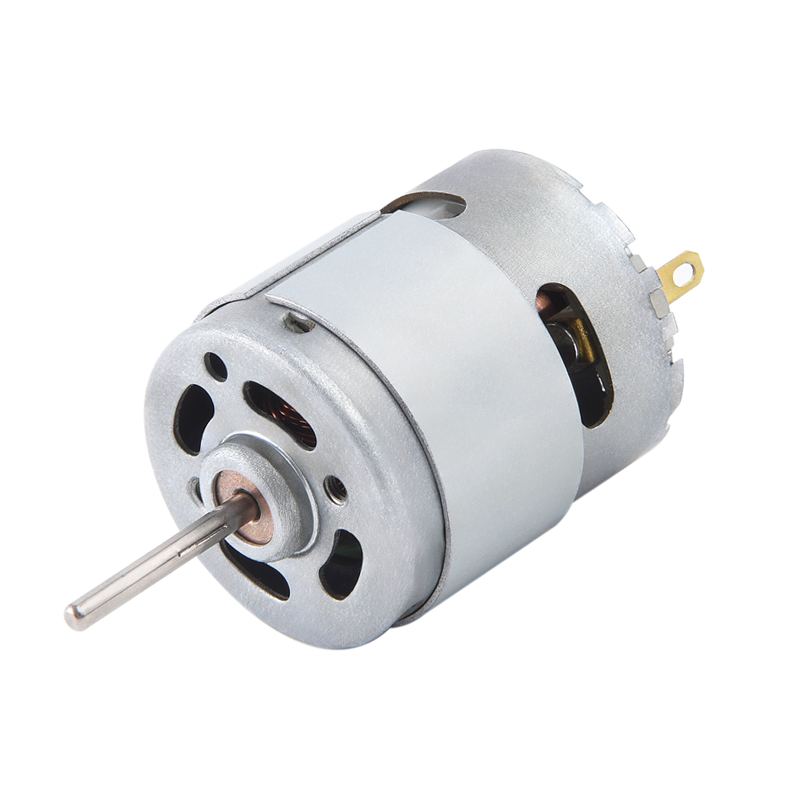
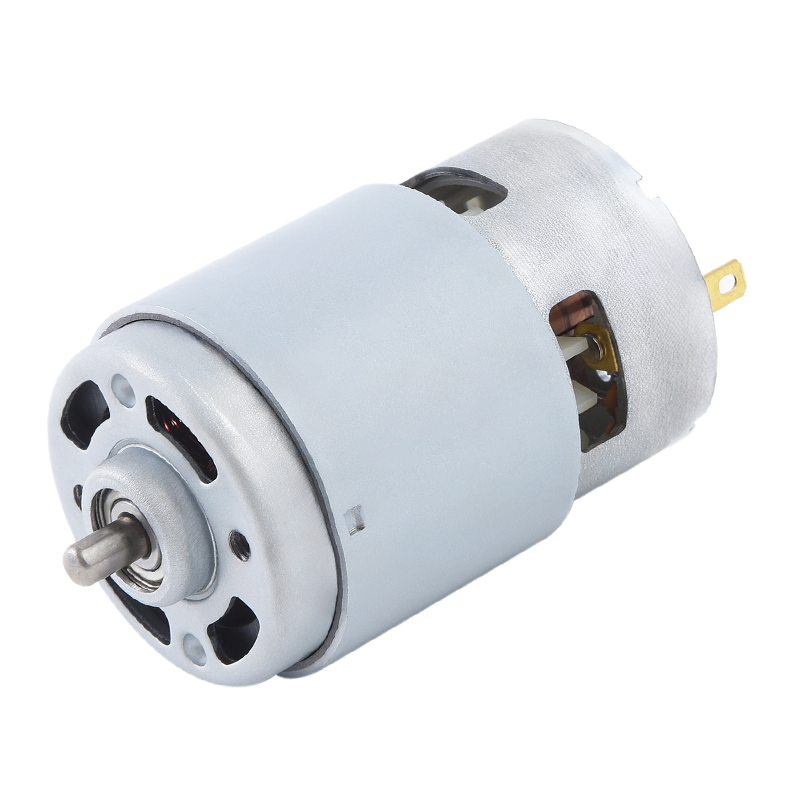
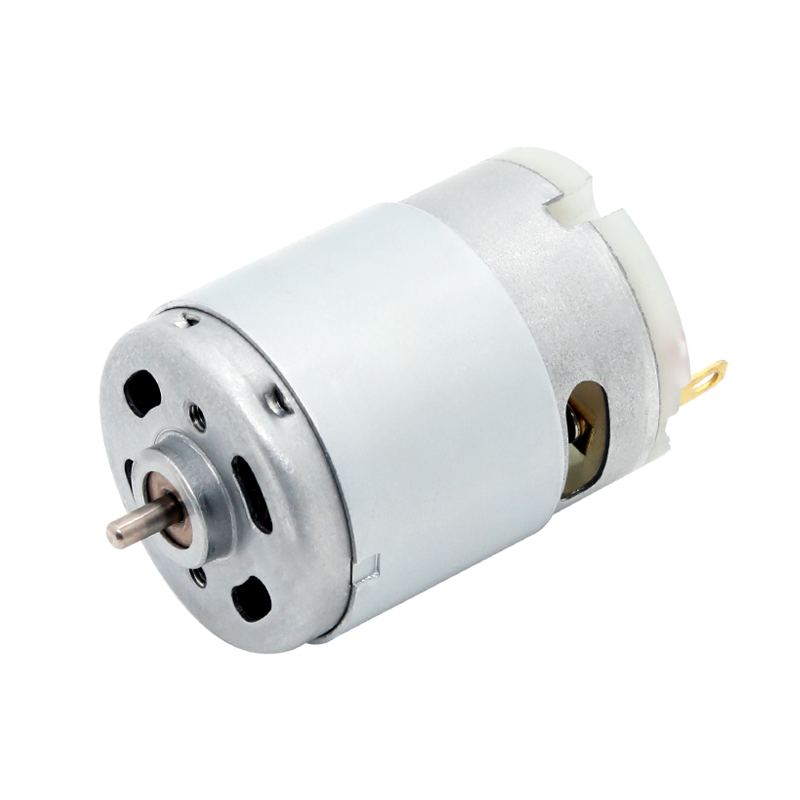
In a brush DC motor, brushes serve as the electrical bridge between the stationary power supply and the rotating commutator. This means they are in constant sliding contact with a spinning surface — sometimes at thousands of RPM. The material must balance electrical conductivity, mechanical hardness, lubrication, and thermal resistance simultaneously.
Poor brush material selection leads to accelerated wear, excessive sparking, commutator damage, and shortened motor life. For example, using a brush that is too hard can erode the copper commutator in weeks, while a brush that is too soft may wear out within hours under heavy load.
The Four Main Types of DC Motor Brush Materials
1. Carbon Brushes
Pure carbon brushes are the most traditional type. They offer good lubrication due to carbon's naturally layered crystalline structure, which allows smooth sliding. They are typically used in lower-speed, lower-current applications.
- Hardness: High — minimizes brush wear but increases commutator wear
- Resistivity: High (~1,000–5,000 µΩ·cm)
- Common use: Small motors, instrumentation
2. Graphite Brushes
Graphite brushes are softer than carbon and provide excellent self-lubricating properties. The graphite structure reduces friction significantly, making these brushes ideal for high-speed motors. Electrographite brushes — produced by baking carbon at extremely high temperatures (~2,500°C) — are a premium subtype with enhanced conductivity and thermal stability.
- Resistivity: 500–1,500 µΩ·cm (lower than carbon)
- Suitable for: High-speed DC motors, traction motors
- Temperature tolerance: Up to ~400°C for electrographite grades
3. Metal Graphite Brushes
Metal graphite brushes combine graphite with metals — most commonly copper (40–90%) or silver — to dramatically lower electrical resistance. This makes them ideal for high-current, low-voltage applications where resistive losses would otherwise be significant.
- Copper-graphite: Resistivity as low as 1–10 µΩ·cm
- Silver-graphite: Used in precision instruments and aerospace applications
- Trade-off: Higher wear rate due to metal content
4. Carbon Graphite Brushes
This is a blend of natural graphite and carbon powders, sintered together without metallic additives. It provides a middle ground: moderate conductivity, reasonable hardness, and acceptable wear rates — making it the most widely used general-purpose brush material across industries.
- Resistivity: 100–700 µΩ·cm
- Applications: Power tools, automotive motors, generators
Comparison Table of DC Motor Brush Materials
| Material Type | Resistivity (µΩ·cm) | Hardness | Best For | Wear Rate |
|---|---|---|---|---|
| Carbon | 1,000–5,000 | High | Low-speed, low-current | Low |
| Graphite / Electrographite | 500–1,500 | Medium-Low | High-speed motors | Low–Medium |
| Carbon Graphite | 100–700 | Medium | General purpose | Medium |
| Copper Graphite | 1–10 | Medium-High | High-current, low-voltage | High |
| Silver Graphite | 1–5 | Medium | Aerospace, precision | Medium–High |
How Brush Composition Affects Motor Performance
The brush material directly influences several performance parameters in a brush DC motor:
Contact Drop Voltage
All brushes introduce a voltage drop at the contact interface. Carbon brushes typically produce a contact drop of 0.5–1.5V per brush, while metal graphite brushes can reduce this to below 0.3V. For a 12V motor, that difference can represent over 10% efficiency loss — critical in battery-powered or EV applications.
Commutation Quality and Sparking
Softer graphite-based brushes tend to commutate more smoothly, reducing arcing and electromagnetic interference (EMI). This is why graphite brushes are preferred in motors used near sensitive electronics, such as in medical devices or precision CNC equipment.
Brush Life and Maintenance Intervals
Brush lifespan varies enormously by material and operating conditions. Under moderate loads at 3,000 RPM:
- Electrographite brushes: 2,000–5,000 hours
- Carbon graphite brushes: 1,000–3,000 hours
- Metal graphite (copper): 500–1,500 hours due to higher friction
The Role of Additives and Impregnation
Modern DC motor brushes are rarely made of a single pure material. Manufacturers often incorporate additives to fine-tune performance:
- Molybdenum disulfide (MoS₂): Added to reduce friction in dry or vacuum environments where humidity-based lubrication is absent
- PTFE (Teflon): Reduces the coefficient of friction, extending life in high-speed applications
- Resin binders: Phenolic or pitch-based resins hold the brush structure together during the sintering process
- Metal impregnation: Brushes soaked in copper or babbitt metal after sintering to boost conductivity without full metal content
For example, brushes used in space or high-altitude motors must rely on MoS₂ lubrication because the thin, dry atmosphere prevents the natural graphite-oxide film that lubricates brushes at sea level from forming.
How to Choose the Right Brush Material for Your Application
Selecting brush material should follow a structured evaluation of the motor's operating conditions:
- Operating voltage and current: High current → use metal graphite; low current → carbon graphite or electrographite
- Motor speed: Above 5,000 RPM → prioritize graphite or electrographite for low friction
- Environment: Humid environments help graphite brushes self-lubricate; dry or vacuum environments need MoS₂-enhanced brushes
- Maintenance access: If replacement is difficult, opt for longer-lasting electrographite over copper graphite
- EMI sensitivity: Near electronics? Choose softer graphite grades to minimize sparking
- Cost constraints: Silver graphite is best-performing but expensive — typically reserved for aerospace or military-grade motors
Signs of Brush Wear and When to Replace Them
Regardless of material, all brushes wear over time. Key indicators that brush replacement is needed:
- Brush length worn to less than 25–30% of original length (most manufacturers recommend replacement at this point)
- Increased sparking at the commutator, especially at startup or under load
- Visible grooving or uneven wear on the commutator surface
- Rise in motor temperature without increased load
- Audible chatter or vibration from the brush assembly
When replacing brushes, always use the same grade specified by the motor manufacturer. Switching to a harder grade to "last longer" is a common mistake that damages the commutator surface and results in far more expensive repairs.
Brush DC Motors vs. Brushless: Does Material Still Matter?
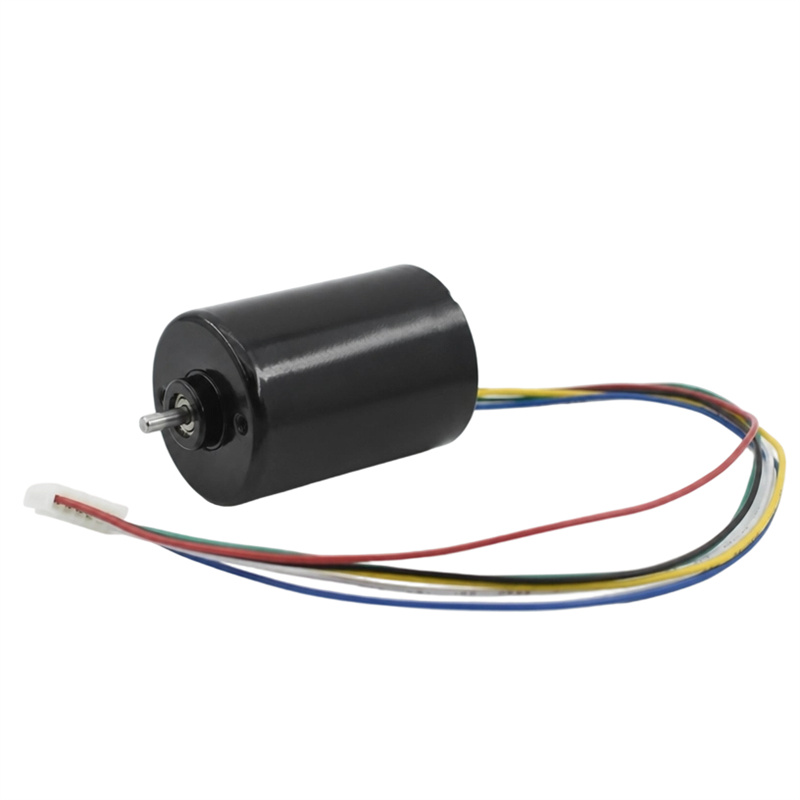
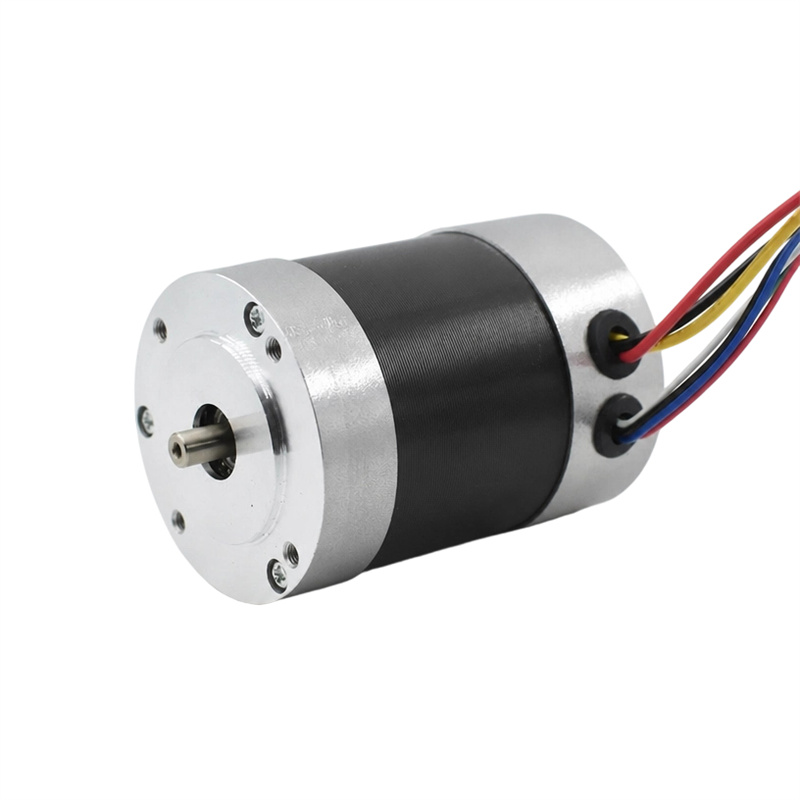
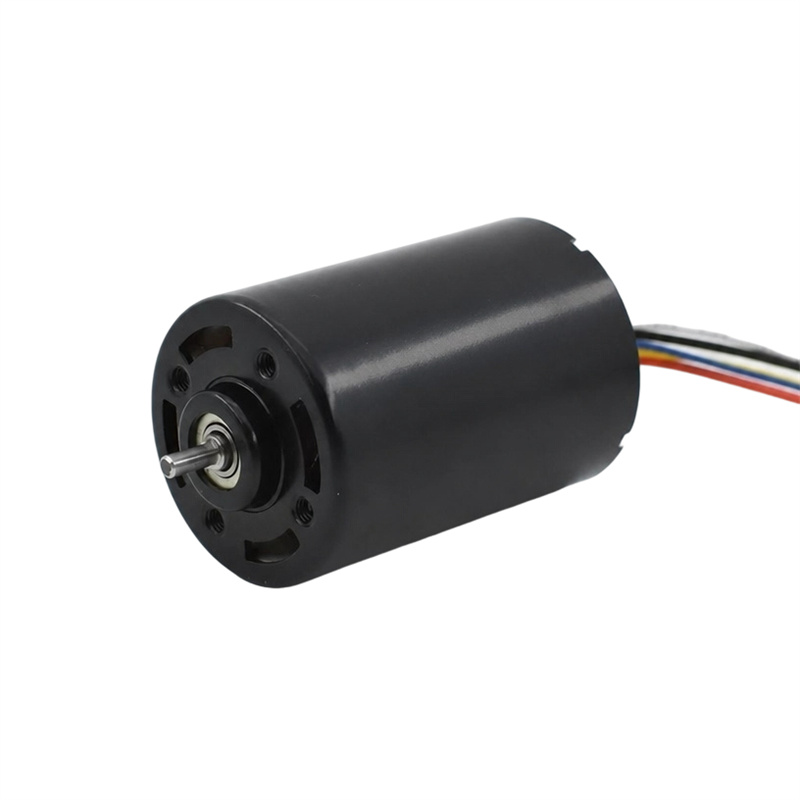
Brushless DC motors (BLDC) eliminate brushes entirely, using electronic commutation instead. However, brush DC motors remain dominant in cost-sensitive, high-torque, and easily-controlled applications — and will for the foreseeable future. Markets where brush motors remain standard include:
- Automotive starters and window motors (still ~70% brush-type globally)
- Power tools (drills, grinders) for cost-effectiveness
- Industrial conveyors and actuators for simple speed control
In these contexts, brush material selection continues to directly impact operational costs, downtime, and reliability — making it a topic of active engineering consideration, not just historical interest.
News
-
Brush DC Motor Origins and Physical Foundations The Brush DC Motor is a pioneer in converting electrical energy into mechanical motion, and its history is closely intertwined with ...
READ MORE -
Who Is Still Using Brushed DC Motors These Days? Brushed DC motors in small appliances Despite the growing adoption of brushless motor technology, small appliances remain a major c...
READ MORE -
Brush DC Motor Applications in Consumer Electronics and Smart Devices Brush DC Motor Role in Consumer Electronics Design Brush DC Motor plays a critical role in the design and func...
READ MORE

Quick Links
 Home
Home


Copyright © Yuyao Hongyang Micromotor Co., Ltd. All rights reserved.

