

 Eng
Eng 
 русский
 Español


Brushless DC Motor Advantages: Complete Guide
 2026.03.11
 Industry News
The key advantages of brushless DC (BLDC) motors over brushed DC and other motor types are higher energy efficiency (typically 85–95%), significantly longer service life (20,000–50,000+ hours), better speed and torque control, lower maintenance requirements, reduced electromagnetic interference, higher power density, and quieter operation. These advantages make BLDC motors the preferred choice in applications ranging from electric vehicles and industrial automation to drones, HVAC systems, power tools, and medical devices.
The global brushless DC motor market was valued at approximately $12 billion in 2023 and is projected to grow at over 7% annually through 2030, driven by electrification of transportation, Industry 4.0 automation, and the proliferation of battery-powered portable equipment. Understanding exactly what makes BLDC motors superior — and where their advantages are most valuable — helps engineers, product designers, and buyers make better technology selections.
How Brushless DC Motors Work: The Foundation of Their Advantages
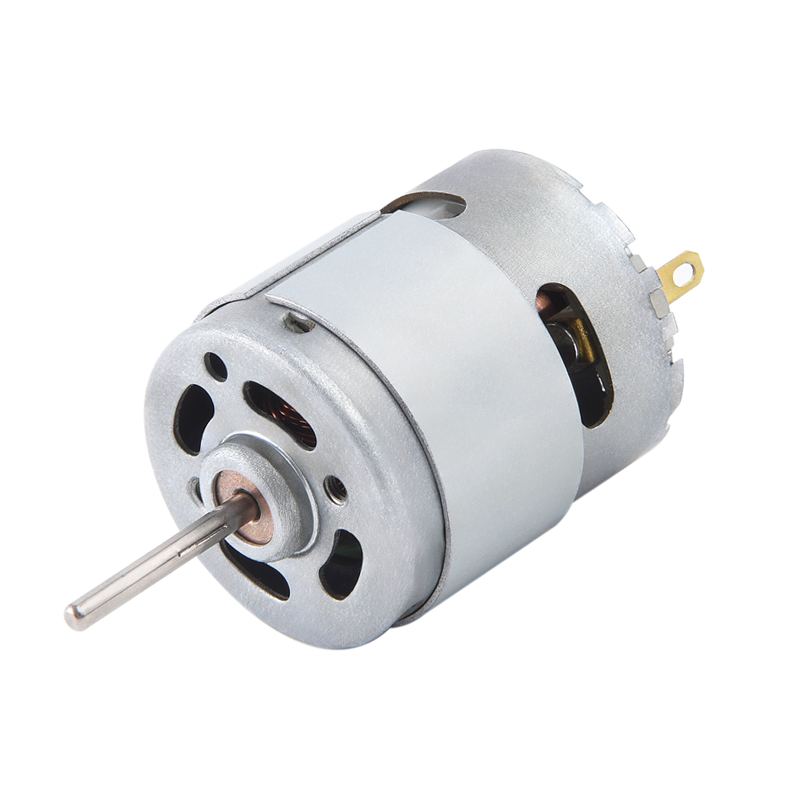
To understand why BLDC motors outperform alternatives, it is necessary to understand what "brushless" actually means mechanically. In a conventional brushed DC motor, carbon brushes press against a rotating commutator ring to transfer current to the spinning armature windings. The brushes create friction, wear, electrical arcing, and heat — the root causes of brushed motor inefficiency and limited lifespan.
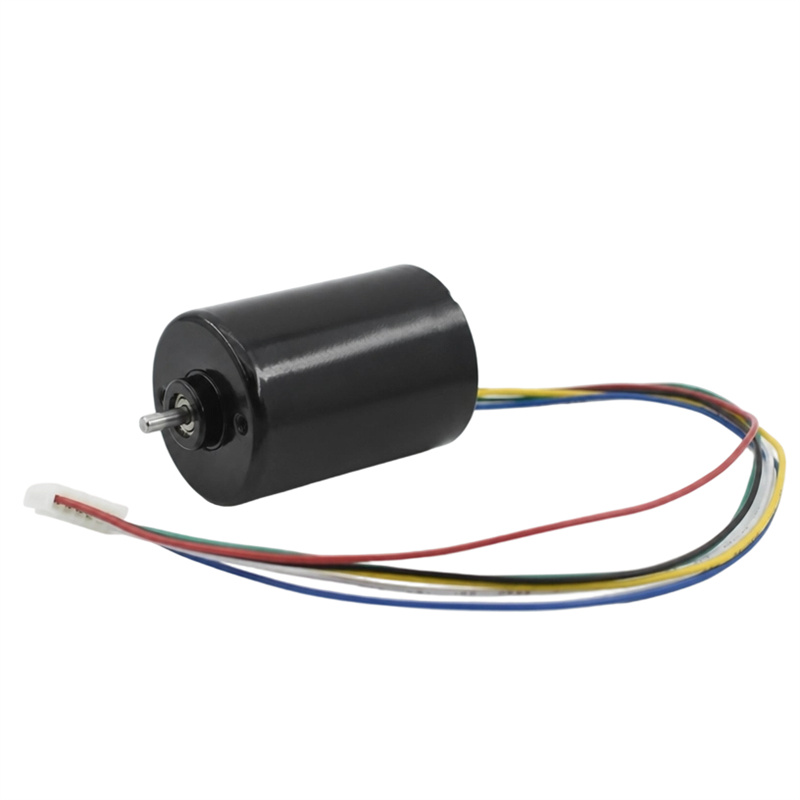
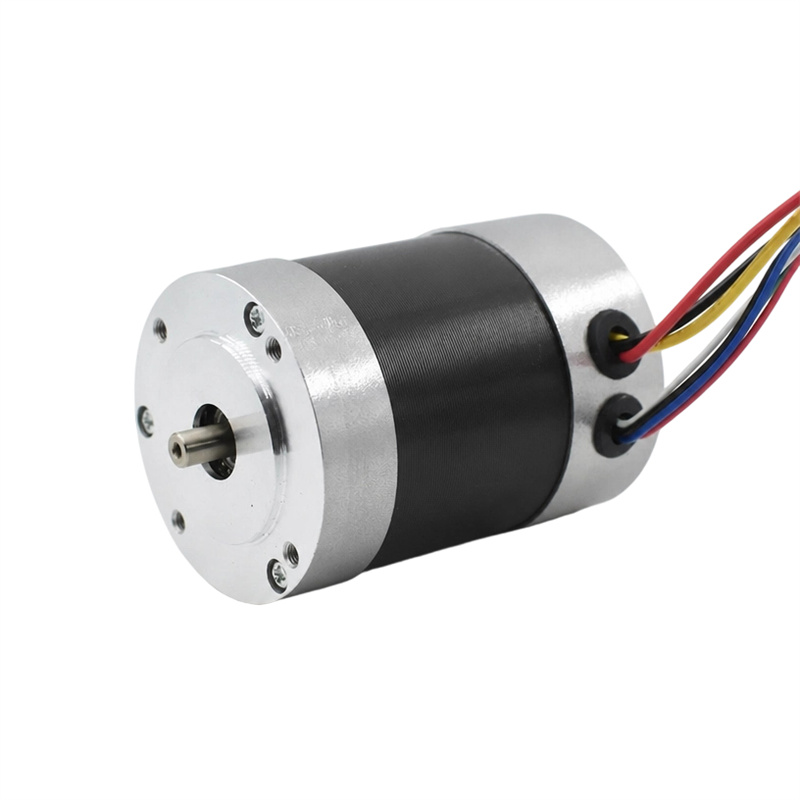
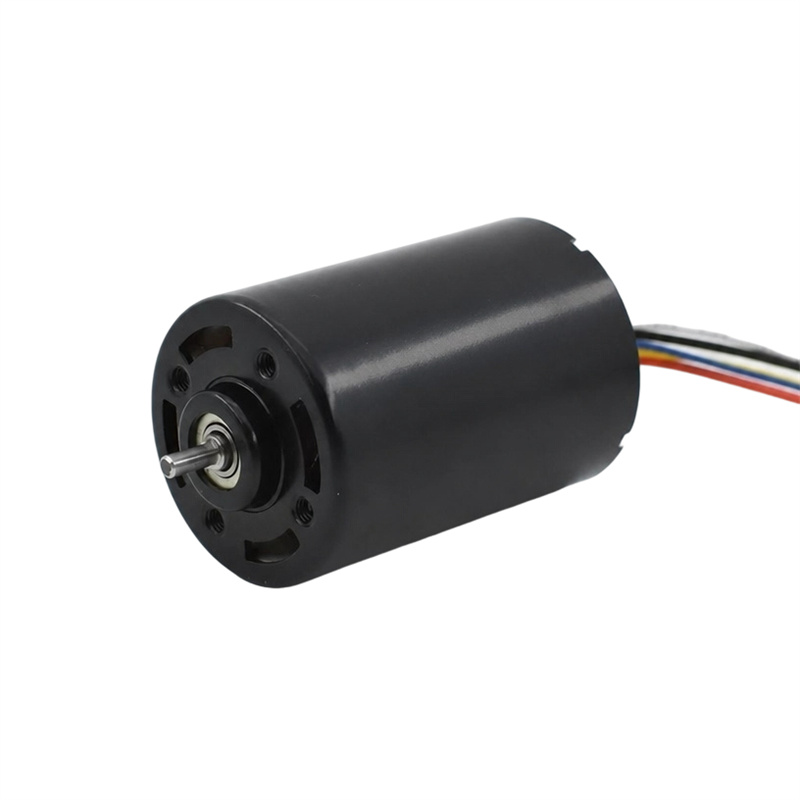
A BLDC motor eliminates this mechanical contact entirely. The permanent magnets are on the rotor (the rotating part), while the wound coils are on the stator (the stationary part). An electronic controller — using position feedback from Hall effect sensors or back-EMF sensing — switches current to the stator coils in the correct sequence to maintain rotation. This electronic commutation replaces the mechanical commutation of brushes and commutator, removing the single greatest source of loss, heat, wear, and noise in the brushed design.
Superior Energy Efficiency: The Most Quantifiable Advantage
Energy efficiency is the most immediately quantifiable advantage of BLDC motors and the primary driver of their adoption in battery-powered and energy-intensive applications. The efficiency difference between brushless and brushed motors is substantial across the full load range.
Brushed DC motors typically achieve 75–85% efficiency under optimal conditions, with efficiency dropping significantly at partial loads, high speeds, or in high-temperature conditions. BLDC motors achieve 85–97% efficiency across a much wider operating range, maintaining high efficiency even at partial loads because the electronic controller optimizes current delivery to match the instantaneous torque demand.
Where Efficiency Losses Occur — and What BLDC Eliminates
- Brush friction losses: Eliminated entirely. In brushed motors, contact pressure (typically 150–400 g/cm²) continuously converts mechanical energy to heat through friction at the brush-commutator interface.
- Commutation arcing losses: Eliminated. The sparking at brush-commutator gaps in brushed motors dissipates energy as light and heat while also causing radio-frequency interference.
- Armature copper losses (I²R): Reduced in BLDC because the stator windings can be wound with lower resistance and the current path is optimized by the electronic controller at each rotor position.
- Heat-induced derating: Brushed motors lose efficiency as temperature rises (increasing brush resistance and armature resistance). BLDC motors have better thermal stability because heat-generating components (windings) are on the outer stator where heat can be dissipated more effectively.
Real-World Energy Savings Examples
The efficiency advantage translates directly to measurable operational savings:
- HVAC and refrigeration compressors: Replacing fixed-speed induction motors with BLDC variable-speed compressors reduces energy consumption by 30–50% in residential air conditioners and refrigerators — the primary reason inverter-type appliances have become standard in energy-efficient ratings.
- Electric vehicles: BLDC and PMSM (permanent magnet synchronous motor, a BLDC variant) motors achieve 90–97% efficiency across most of the operating range, contributing directly to the range advantage of modern EVs over earlier AC induction motor designs.
- Cordless power tools: A BLDC-powered drill uses approximately 25–30% less battery energy for equivalent work compared to a brushed equivalent, directly increasing runtime per charge from a battery of the same capacity.
Dramatically Longer Service Life and Near-Zero Maintenance
The elimination of brushes removes the primary wear mechanism in DC motors, fundamentally transforming the maintenance and service life profile. This advantage is critical in applications where motor replacement is costly, inconvenient, or risks operational downtime.
Brushed DC motor carbon brushes typically require replacement every 1,000–5,000 hours of operation depending on load, speed, and environmental conditions. Once brushes wear past their minimum length, the commutator surface begins to be damaged, eventually requiring replacement of the entire motor or expensive commutator servicing.
BLDC motors, with no wearing contact parts, achieve service lives of 20,000 to 50,000+ hours in normal operating conditions — limited primarily by bearing wear rather than any electrical wear mechanism. In applications like building automation fans or industrial pumps operating 8,760 hours per year, this translates to 5–10 years of continuous operation without maintenance versus monthly brush checks and annual brush replacements in a brushed motor.
Total Cost of Ownership Impact
The maintenance advantage creates significant total cost of ownership (TCO) savings that frequently justify the higher initial cost of BLDC systems:
- Eliminated brush replacement costs (parts + labor)
- Reduced downtime for scheduled maintenance — critical in 24/7 industrial operations where downtime costs can exceed $5,000–$50,000 per hour
- Extended motor replacement intervals reduce capital equipment cycling
- Reduced need for contamination control — no carbon brush dust to manage in clean-room or food-processing environments
Higher Power Density: More Power in Less Space and Weight
BLDC motors achieve significantly higher power density (watts of output per kilogram of motor weight, or per liter of motor volume) than brushed DC or AC induction motors of similar power ratings. This advantage stems from several design factors:
- Permanent magnets on the rotor: High-energy rare-earth permanent magnets (NdFeB — neodymium iron boron) produce strong magnetic fields without the weight and volume of field windings or slip rings required in other motor types.
- Stator windings instead of armature windings: Stator-mounted windings allow better heat dissipation (heat flows outward to the motor housing and ambient air) compared to brushed motors where armature windings heat up in a relatively enclosed rotor — allowing BLDC motors to be driven harder continuously without thermal derating.
- No commutator or brush gear: Eliminating these components reduces axial length and weight directly.
In practical terms, a BLDC motor producing 1 kW continuous output might weigh 0.5–1.0 kg, while a brushed DC motor of the same output rating might weigh 1.5–2.5 kg. This density advantage is critical in weight-sensitive applications — drone motors, electric bicycle hub drives, surgical robotics, aerospace actuators, and portable power tools where every gram affects performance, range, or user fatigue.
Precise Speed and Torque Control Over a Wide Operating Range
BLDC motors combined with their electronic controllers offer exceptional control precision across a wide speed and torque range — a capability that brushed motors and induction motors struggle to match without significantly more complex drive systems.
Speed Range and Stability
A BLDC motor can typically operate over a speed range of 1:20 or greater (from near-zero to maximum speed) with stable, controllable torque throughout — whereas brushed DC motors experience commutation problems at very low speeds, and AC induction motors have limited low-speed torque without variable frequency drives. BLDC motors with closed-loop speed control maintain speed stability to within ±0.1% of setpoint even under varying load conditions.
High-Speed Operation
The absence of brushes removes the speed ceiling imposed by brush-commutator contact mechanics. Brushed motors are typically limited to 10,000–20,000 RPM before brush wear, sparking, and commutator damage become unacceptable. BLDC motors regularly operate at 20,000–100,000+ RPM in applications such as dental handpieces, turbomolecular pump drives, high-speed machining spindles, and turbocharger electric assist systems.
Torque Linearity and Response
BLDC motors produce torque that is proportional to current with high linearity, enabling precise force and torque control in applications like robotic joints, surgical instruments, and precision positioning stages. Response time from zero torque to full torque can be achieved in milliseconds with modern controllers — essential for servo positioning applications where rapid, accurate motion changes are required.
Reduced Electrical Noise and Electromagnetic Interference
The arcing that occurs at the brush-commutator interface in brushed motors generates significant electromagnetic interference (EMI) across a broad radio frequency spectrum — from a few kHz to several hundred MHz. This EMI can disrupt nearby electronics, radio communications, and sensitive measurement equipment, requiring expensive shielding, filtering, and physical separation in mixed electrical environments.
BLDC motors eliminate brush-generated EMI entirely. The only EMI source in a BLDC system is the switching transients from the electronic controller's power transistors — which can be managed with filtering, shielding, and proper PCB layout to levels far below what brush arcing produces. This makes BLDC motors suitable for applications where EMI is critical:
- Medical equipment: MRI-compatible motor designs (with appropriate shielding) are achievable with BLDC; brushed motors generate interference that would disrupt MRI imaging and other diagnostic equipment
- Audio equipment and studio environments: Brushless motors in ventilation fans and drives eliminate the characteristic brush buzz that contaminates sensitive audio recordings
- Avionics and navigation systems: EMI from brushed motors can interfere with navigation instruments — BLDC motors are standard in aircraft environment control systems
- Laboratory instrumentation: Precision analytical instruments require EMI-clean environments that brushless drives support without elaborate shielding
Quieter Operation and Reduced Vibration
Acoustic noise is an important performance parameter in many applications, and BLDC motors are inherently quieter than brushed motors for two distinct reasons: the elimination of brush-commutator friction noise and the absence of commutation sparking.
Brushed motors produce a characteristic combination of noise: a steady sliding friction sound from brush contact, intermittent electrical crackling from commutation arcing, and mechanical resonance from the torque ripple generated as current switches between commutator segments. Total acoustic output from brushed motors in typical applications ranges from 55–75 dB(A).
BLDC motors, with smooth magnetic field commutation and no mechanical contact friction, operate at 40–60 dB(A) in comparable applications — a reduction of 15–20 dB**, which is perceived by the human ear as 4–8 times quieter. This noise advantage drives BLDC adoption in:
- HVAC systems and fans: Building ventilation and air conditioning systems where occupant comfort depends on low background noise levels
- Consumer appliances: Washing machines, vacuum cleaners, and kitchen appliances where noise reduction is a premium feature
- Medical devices: Infusion pumps, ventilators, and diagnostic equipment where motor noise would disturb patients or mask clinical sounds
- Robotics and automation: Collaborative robots (cobots) operating alongside humans in manufacturing where noise pollution is a workplace health concern
Suitability for Hazardous and Sensitive Environments
The brush-commutator arcing in brushed DC motors produces actual sparks — a fundamental safety hazard in environments containing flammable gases, vapors, or dust. This arcing disqualifies brushed motors from direct use in ATEX/IECEx classified hazardous areas (chemical plants, oil and gas facilities, grain storage, paint spray booths) without elaborate explosion-proof enclosures.
BLDC motors produce no internal sparking — the electronic commutation occurs in solid-state components (MOSFETs, IGBTs) that switch current without arcing. This fundamentally different ignition risk profile makes BLDC motors suitable for use in hazardous areas with simpler (and less expensive) enclosure requirements. Additionally, the absence of carbon brush dust makes BLDC motors appropriate for:
- Clean-room manufacturing: Semiconductor fabrication, pharmaceutical production, and aerospace component assembly where particulate contamination must be minimized
- Food and beverage processing: Carbon brush particles from brushed motors are a potential food contamination source — BLDC motors eliminate this concern
- Vacuum and low-pressure environments: Brushed motors rely partly on atmospheric humidity for brush lubrication and commutation film formation — they perform poorly in vacuum. BLDC motors operate normally in vacuum environments (common in semiconductor equipment and space applications)
- Hermetically sealed applications: BLDC motors can be operated through a sealed barrier using external magnetic coupling, enabling motor drives in completely sealed, sterile, or pressure-controlled environments impossible to achieve with brushed designs
Comprehensive Comparison: BLDC vs. Brushed DC vs. AC Induction Motors
Understanding BLDC motor advantages is most useful in the context of direct comparison with the alternatives that engineers and buyers are typically evaluating.
| Parameter | Brushless DC (BLDC) | Brushed DC | AC Induction |
|---|---|---|---|
| Typical efficiency | 85–97% | 75–85% | 85–92% (at full load) |
| Service life | 20,000–50,000+ hours | 1,000–5,000 hours (brushes) | 15,000–40,000+ hours |
| Maintenance | Very Low (bearings only) | High (regular brush replacement) | Low (bearings only) |
| Speed range | Very wide (1:20+); up to 100,000+ RPM | Wide; limited at extremes | Limited without VFD; max ~6,000 RPM typical |
| Power density | Very High | Moderate | Moderate |
| EMI generation | Low (controller only) | High (brush arcing) | Low (without VFD); moderate with VFD |
| Noise level | Low | Moderate–High | Low–Moderate |
| Initial cost | Medium–High | Low | Low–Medium |
| Control complexity | Requires electronic controller | Simple (voltage control) | Simple (fixed speed) or complex (VFD) |
| Spark/ignition risk | None | Yes (brush arcing) | None |
Thermal Performance: Better Heat Management Enables Higher Sustained Output
The fundamental structural difference between brushed and brushless motors — windings on the stator vs. windings on the rotor — creates a significant thermal management advantage for BLDC motors that is often underappreciated.
In a brushed motor, the heat-generating armature windings are on the rotating rotor — a component that cannot have direct thermal contact with the motor housing. Heat must transfer through air gaps and shaft bearings to reach the housing, creating a high thermal resistance that limits sustained current and therefore sustained torque output.
In a BLDC motor, the heat-generating stator windings are on the outer stationary component — in direct contact with the motor housing, which can be designed with cooling fins, liquid cooling channels, or forced-air cooling. This allows 4–6 times better heat extraction from the windings compared to rotor-mounted windings, enabling BLDC motors to sustain higher power outputs without thermal derating. In practical terms, a BLDC motor can often run at its peak torque rating continuously, while a brushed motor of the same rated power must be derated to 60–80% of its peak for sustained operation to avoid overheating.
Regenerative Braking Capability
BLDC motors combined with their electronic controllers can act as generators during deceleration — converting kinetic energy back to electrical energy that can be returned to the power source (regenerative braking) or dissipated in a braking resistor. This capability is a direct consequence of the electronic commutation architecture.
In electric vehicles, regenerative braking recovers 15–25% of the energy that would otherwise be lost as heat in friction brakes, directly extending driving range. In industrial servo systems, regenerative energy from decelerating loads can be returned to the supply bus and used by other drives, reducing total system energy consumption by 10–30% in high-cycle applications like packaging machines and robotic assembly lines.
Brushed DC motors have some ability to regenerate, but the brush-commutator interface limits the current that can flow during regeneration, and the commutator design constrains the smooth four-quadrant operation that brushless electronic controllers achieve naturally.
Limitations and Trade-offs to Consider
A complete evaluation of BLDC motor advantages requires acknowledging the trade-offs and limitations that may make alternative motor types more appropriate in specific situations:
- Higher initial cost: BLDC motors typically cost 20–50% more than brushed equivalents at the component level, and the required electronic controller adds further system cost. For simple, low-cost, short-service-life applications (disposable devices, toys), brushed motors remain economically justified.
- Controller dependency: BLDC motors cannot operate without their electronic controller — controller failure stops the motor. In safety-critical applications, controller redundancy must be considered. Brushed DC motors can run from simple, highly reliable power supplies.
- Magnet demagnetization risk: The permanent magnets on the BLDC rotor can be partially demagnetized by excessive heat or strong opposing magnetic fields — a limitation that brushed motors (which use electromagnets or universal winding designs) do not share. This constrains maximum operating temperature for rare-earth magnet designs to approximately 150–180°C.
- Torque ripple at low speeds: Six-step commutation BLDC controllers produce visible torque ripple at very low speeds — important in precision positioning and direct-drive applications where smooth, ripple-free motion is required. Sinusoidal FOC (Field Oriented Control) drives address this but add further control complexity and cost.
- Rare earth material supply chain: High-performance BLDC motors using neodymium magnets depend on rare earth element supply chains with geopolitical concentration risks — approximately 90% of rare earth processing occurs in China, creating supply security considerations for critical applications.
News
-
Brush DC Motor Origins and Physical Foundations The Brush DC Motor is a pioneer in converting electrical energy into mechanical motion, and its history is closely intertwined with ...
READ MORE -
Who Is Still Using Brushed DC Motors These Days? Brushed DC motors in small appliances Despite the growing adoption of brushless motor technology, small appliances remain a major c...
READ MORE -
Brush DC Motor Applications in Consumer Electronics and Smart Devices Brush DC Motor Role in Consumer Electronics Design Brush DC Motor plays a critical role in the design and func...
READ MORE

Quick Links
 Home
Home


Copyright © Yuyao Hongyang Micromotor Co., Ltd. All rights reserved.

