

 Eng
Eng 
 русский
 Español


What Is a Brushed DC Motor? Types, Uses & How It Works
 2026.03.18
 Industry News
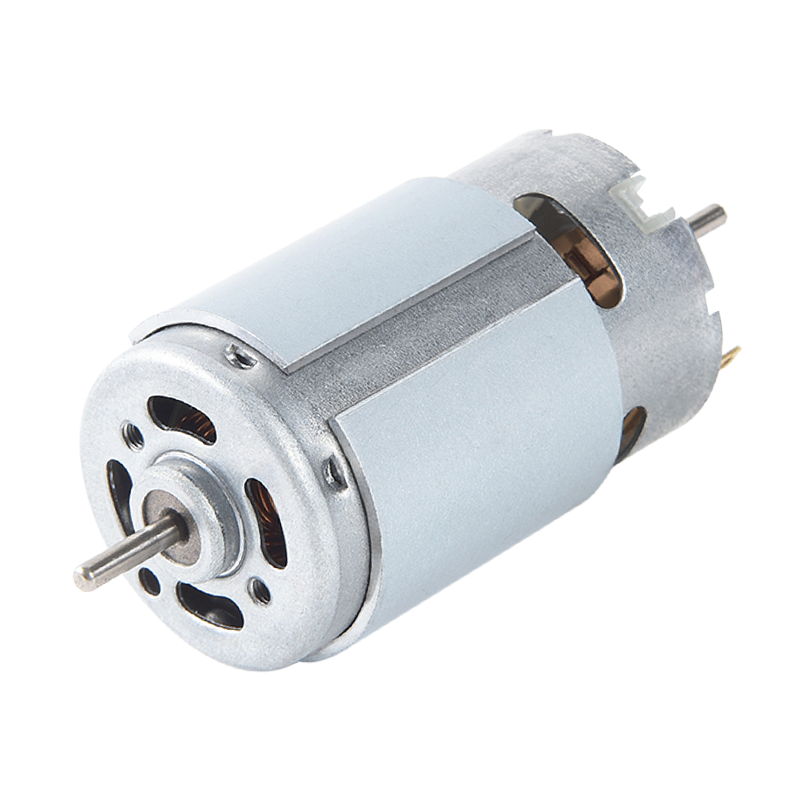
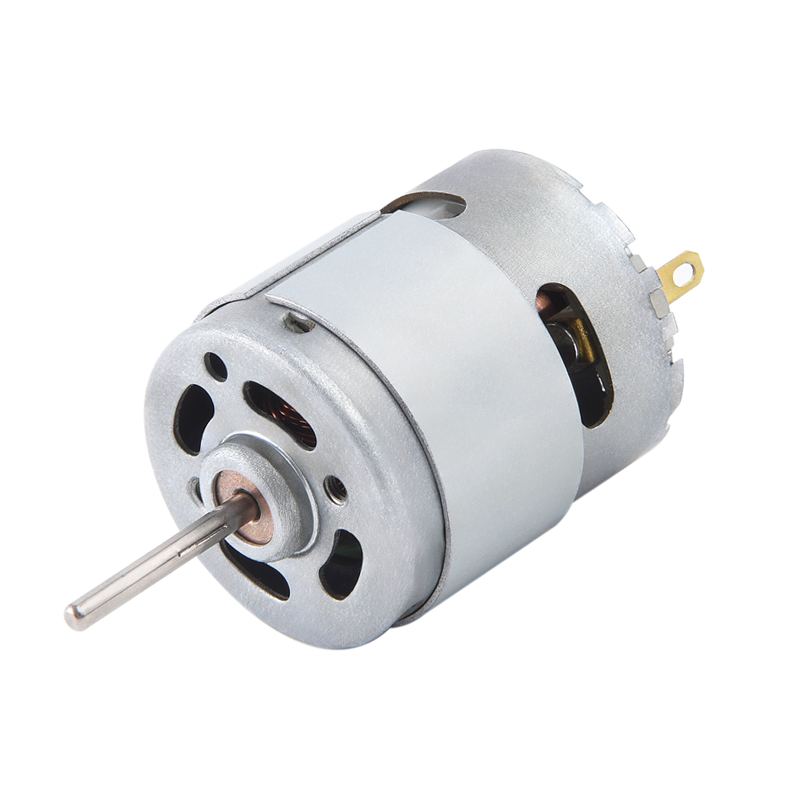
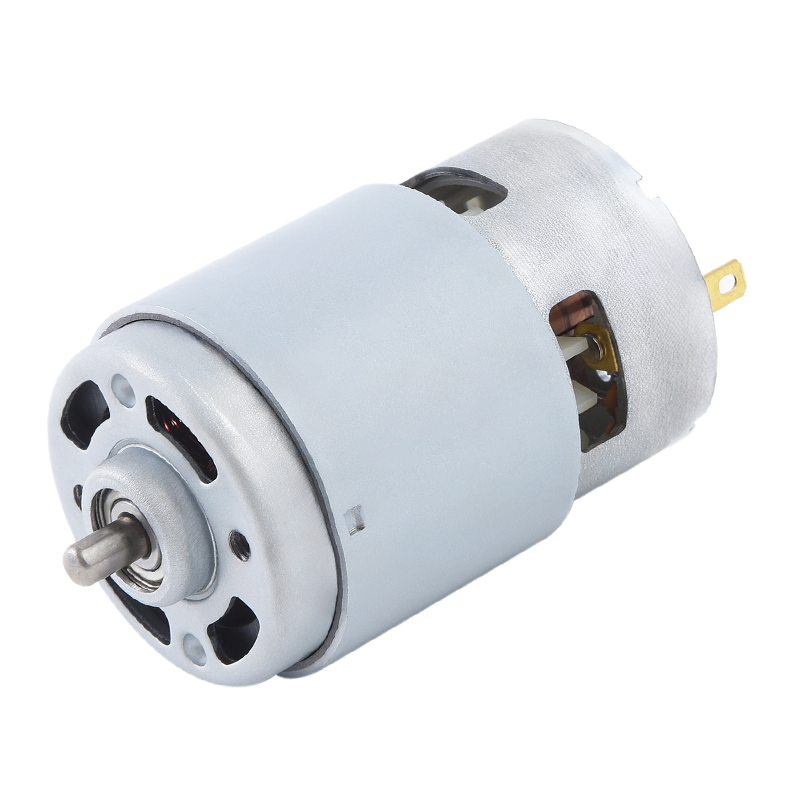
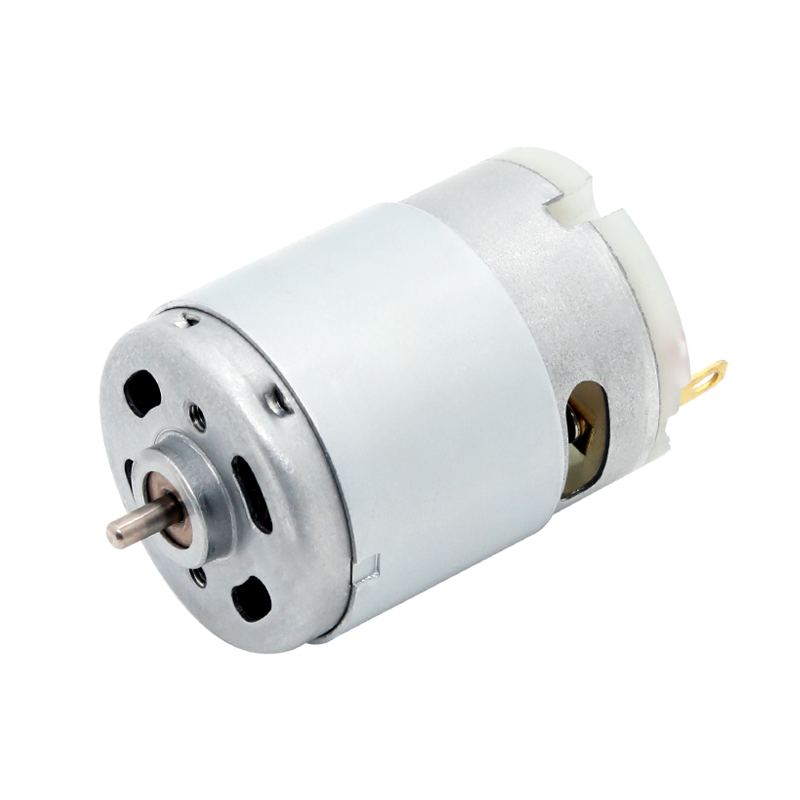
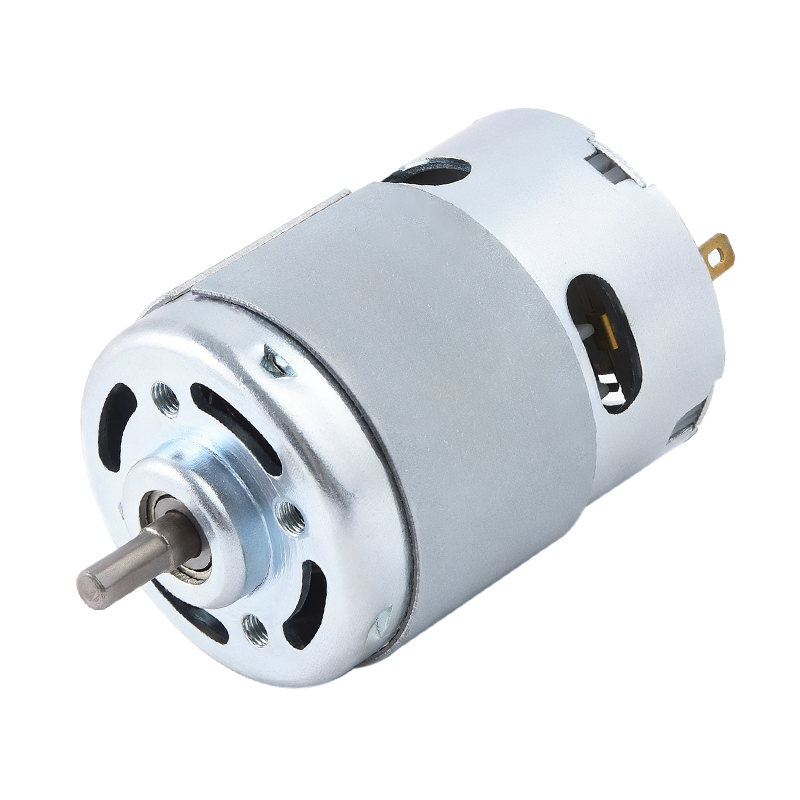
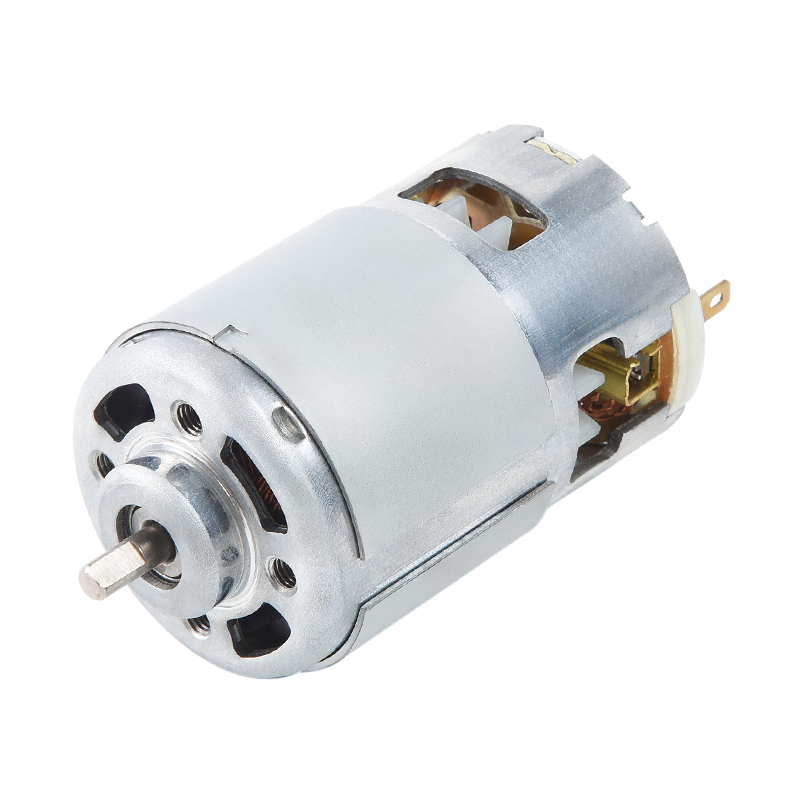
A brushed DC motor is an internally commutated electric motor powered by direct current. It uses carbon or graphite brushes in physical contact with a rotating commutator to switch current direction in the rotor windings, generating continuous rotational force. Brushed DC electric motors are among the oldest and most widely used motor types in the world, valued for their simplicity, low cost, and ease of speed control — even without sophisticated electronics.
If you need a motor that is inexpensive, easy to drive with a simple voltage or PWM signal, and operates reliably in non-continuous-duty applications, a brushed DC motor remains an excellent choice in 2024. It is the go-to solution in automotive actuators, power tools, toys, consumer appliances, and industrial positioning systems worldwide.
How a Brushed DC Motor Works
The operating principle of a brushed DC motor relies on electromagnetic force (Lorentz force). When current flows through a conductor inside a magnetic field, a force acts on that conductor. The motor exploits this to create continuous rotation through four core components:
- Stator (field magnet): The stationary outer part, usually permanent magnets or wound field coils, that creates the fixed magnetic field.
- Rotor (armature): The rotating inner core wound with copper wire coils. Current flowing through these coils interacts with the stator field to produce torque.
- Commutator: A segmented copper ring mounted on the rotor shaft. As the rotor turns, different commutator segments connect to the brushes, reversing current direction in each coil at the right moment to keep rotation consistent.
- Brushes: Fixed carbon or graphite contacts that press against the spinning commutator, delivering current from the external circuit to the rotating armature.
This mechanical commutation is what defines the brushed DC motor — and also what limits its lifespan compared to brushless designs. Brush friction causes wear, heat, and electrical noise, but the mechanism is self-contained and requires no external commutation electronics.
Main Types of Brushed DC Motors
Brushed DC motors are categorized by how their field windings are connected relative to the armature. Each configuration produces distinct torque-speed characteristics suited to different applications.
Series-Wound Motor
The field winding is connected in series with the armature. This produces very high starting torque — sometimes 5–8× rated torque — making it ideal for traction applications like electric trains, cranes, and starter motors in combustion engines. However, speed increases sharply with reduced load, and an unloaded series motor can "run away" to dangerous speeds.
Shunt-Wound Motor
The field winding is connected in parallel (shunt) with the armature. Speed remains nearly constant across a wide load range — typically varying less than 10% from no-load to full-load. This makes shunt motors well-suited for machine tools, fans, and conveyors where consistent speed is critical.
Compound Motor
A compound motor combines both series and shunt windings, balancing high starting torque with good speed regulation. Cumulative compound motors are common in elevators, presses, and compressors.
Permanent Magnet (PM) Brushed DC Motor
Instead of wound field coils, the stator uses permanent magnets. These motors are compact, lightweight, and highly efficient at smaller sizes. They are the dominant type in toys, automotive accessories, small appliances, and hobby electronics. Speed is directly proportional to applied voltage, making PWM speed control straightforward.
| Type | Starting Torque | Speed Regulation | Typical Applications |
|---|---|---|---|
| Series | Very High | Poor | Traction, cranes, starters |
| Shunt | Moderate | Excellent | Machine tools, fans, conveyors |
| Compound | High | Good | Elevators, compressors, presses |
| Permanent Magnet | Moderate–High | Good | Toys, automotive, appliances |
Key Technical Parameters and Performance Data
Understanding the specifications of a brushed DC motor is essential for selecting the right unit for an application. Here are the most important parameters:
Voltage and Current Rating
Most small brushed DC motors operate in the range of 3 V to 48 V DC. Larger industrial motors can run at 90 V, 180 V, or 240 V DC. Rated current determines the motor's continuous torque capacity; exceeding it causes overheating and brush wear.
Speed Constant (Kv) and Back-EMF
The speed of a PM brushed DC motor is governed by: n = (V − I·R) / Kv, where V is supply voltage, I is current, R is armature resistance, and Kv is the motor's back-EMF constant. A typical small PM motor rated at 12 V might spin at 3,000–6,000 RPM no-load, dropping to 2,500–5,000 RPM under rated load.
Efficiency
Small brushed DC motors typically achieve 50–75% efficiency at their operating point. Larger, well-designed industrial brushed motors can reach 85–90% efficiency. The main losses are brush contact resistance, armature copper losses (I²R), and core eddy current losses.
Brush Life
Brush life is a critical factor in brushed motor selection. Under typical conditions, carbon brushes in a small motor last 500 to 2,000 operating hours. Industrial motors with precision-grade brushes can achieve 5,000+ hours with periodic maintenance. Brush life shortens significantly with high current, high speed, contaminated environments, or frequent reversals.
Speed Control Methods for Brushed DC Motors
One of the greatest practical advantages of a brushed DC motor is how easily its speed can be controlled — this is a key reason it remains popular despite being a century-old technology.
Pulse Width Modulation (PWM)
PWM is the most common modern method. A switching transistor or H-bridge circuit rapidly turns voltage on and off. By varying the duty cycle (on-time percentage), average motor voltage and speed are precisely controlled. PWM frequencies typically range from 1 kHz to 20 kHz. At 50% duty cycle with a 12 V supply, the motor receives an effective ~6 V, roughly halving its speed. PWM control is efficient because the transistor either fully on or fully off, minimizing thermal losses in the driver.
Armature Voltage Control
Varying the DC supply voltage directly controls speed below the motor's rated speed. This method is smooth and provides full torque at any speed point, making it standard in industrial DC drives. A variable DC power supply or SCR (thyristor) converter adjusts output voltage from 0 V up to rated voltage.
Field Weakening (for Wound Motors)
In wound-field brushed DC motors, reducing field current weakens the magnetic field, allowing the motor to spin faster than its base speed — up to 2–3× in some designs. This extends the speed range above rated voltage at the cost of reduced torque, useful in machine tools requiring high-speed finishing cuts.
Resistance Control (Rheostat)
Inserting a variable resistance in series with the armature reduces voltage across the motor and lowers speed. This is the oldest method — simple and inexpensive — but wastes energy as heat and provides poor regulation under varying loads. It is rarely used in new designs but still found in legacy industrial equipment.
Advantages and Disadvantages of Brushed DC Motors
Understanding the trade-offs helps engineers and buyers decide whether a brushed DC motor is the right choice for their specific situation.
Advantages
- Low initial cost: Brushed DC motors cost 30–60% less than equivalent brushless motors in many product categories due to simpler construction and no need for external commutation electronics.
- Simple speed control: Voltage or PWM directly controls speed with basic, inexpensive circuits — no rotor position sensors or complex firmware required.
- High starting torque: Especially in series-wound configurations, brushed motors deliver high torque from zero speed, ideal for high-inertia loads.
- Reversible rotation: Simply reversing polarity reverses rotation direction — essential in robotics and positioning systems.
- Mature, well-understood technology: Decades of engineering data, replacement parts, and repair expertise are widely available.
Disadvantages
- Brush wear and maintenance: Brushes wear down and require periodic inspection and replacement — typically every 500–2,000 hours in demanding applications.
- Electrical noise (EMI): Brush-commutator sparking generates electromagnetic interference that can disrupt nearby electronics and requires suppression capacitors or filters.
- Lower efficiency at high speeds: Friction and brush voltage drop reduce efficiency, particularly above 10,000 RPM.
- Not suitable for explosive environments: Brush sparking is a fire hazard in flammable atmospheres unless the motor is specially enclosed.
- Shorter lifespan vs. brushless: Brushless DC motors in comparable applications often last 3–5× longer due to the absence of mechanical wear from brushes.
Common Applications of Brushed DC Electric Motors
Despite competition from brushless technology, brushed DC motors remain dominant in many sectors due to their cost-performance balance.
Automotive Systems
A modern automobile can contain 40 to 80 brushed DC motors for window lifts, seat adjusters, mirror positioning, HVAC blowers, windshield wipers, fuel pumps, and power steering. Their low cost, reliable performance in intermittent-duty cycles, and ease of PWM control make them the standard choice even as vehicles become increasingly electrified.
Power Tools
Corded drills, jigsaws, circular saws, and grinders have historically been powered by universal motors — a type of series-wound brushed motor that can run on AC or DC. These motors deliver power densities exceeding 200 W per kilogram, enabling compact, lightweight tool designs. While brushless tools are growing in cordless applications, brushed motors remain prevalent in corded products due to cost and simplicity.
Toys and Hobby Electronics
RC cars, hobby drones (entry-level), and toy robots almost universally use small permanent magnet brushed DC motors. They are available for as little as $0.30 in volume, run on standard AA batteries (1.5–6 V), and tolerate the abuse typical of toy usage. The global market for toy motors alone exceeds several hundred million units per year.
Industrial Automation and Robotics
Brushed DC motors are used in precision positioning stages, laboratory instruments, and light-duty robotic joints where the moderate duty cycle doesn't quickly exhaust brush life. Their linear torque-speed curve and straightforward control make them easy to integrate into feedback control loops with simple PID controllers.
Medical Devices
Surgical tools, infusion pumps, and dental handpieces frequently use small, high-precision brushed DC motors. Coreless brushed DC motors — a specialized variant with no iron in the rotor — provide extremely low inertia, fast response times under 1 ms, and smooth rotation at low speeds, making them preferred in feedback-intensive medical applications.
Brushed DC Motor vs. Brushless DC Motor: When to Choose Each
The rise of brushless DC (BLDC) motors has created a genuine choice in many applications. Here is a practical guide to deciding between them:
| Factor | Brushed DC Motor | Brushless DC Motor |
|---|---|---|
| Initial Cost | Lower (30–60%) | Higher |
| Lifespan | 500–5,000 hrs (brush limited) | 10,000–30,000+ hrs |
| Control Complexity | Simple (voltage/PWM) | Complex (ESC/controller required) |
| Efficiency (typical) | 50–85% | 85–95% |
| EMI/Noise | Higher (spark noise) | Lower |
| Maintenance | Brush replacement needed | Near zero |
| Best For | Cost-sensitive, intermittent use | High duty cycle, long life |
Choose a brushed DC motor when: upfront cost dominates the decision, the application runs intermittently, simple control circuitry is preferred, or lifespan requirements are under 3,000–5,000 hours.
Choose a brushless DC motor when: the application runs continuously at high duty cycles, maintenance access is difficult, maximum efficiency is critical (e.g., battery-powered systems), or a long service life of 10,000+ hours is required.
How to Select the Right Brushed DC Motor
Follow this practical selection framework to match a brushed DC motor to your application requirements:
- Define the load torque and speed: Calculate the torque your application demands (in N·m or oz·in) and the required output speed (in RPM). Select a motor whose rated torque and speed at the operating point exceed these values with at least a 20–30% safety margin.
- Determine supply voltage: Match the motor's rated voltage to your available power supply (e.g., 12 V automotive, 24 V industrial, or 3–6 V battery).
- Estimate duty cycle: If the motor will run continuously for more than 30–60 minutes at a stretch, confirm that the thermal class (rated continuous current) can handle it. For high-duty applications above 70%, consider brushless alternatives.
- Choose the motor type: Permanent magnet for most small-to-medium applications; series-wound for very high starting torque; shunt-wound for constant speed under variable loads.
- Confirm environmental requirements: For dusty or wet environments, specify a motor with IP54 or higher enclosure rating. Avoid open-frame motors in environments with flammable vapors.
- Check physical constraints: Motor diameter, shaft size, mounting pattern, and weight are critical in space-constrained applications. Coreless motors are the best choice when minimal size and fast response are paramount.
Maintenance Tips to Extend Brushed DC Motor Life
Proper maintenance can significantly extend brush life and motor reliability:
- Inspect brushes every 500–1,000 operating hours. Replace them when they have worn down to less than one-third of their original length to prevent commutator damage.
- Clean commutator surfaces with a dry cloth or isopropyl alcohol to remove carbon dust buildup, which can cause short circuits between commutator segments.
- Check brush spring pressure. Too little pressure causes arcing; too much causes excessive wear. Follow the motor manufacturer's recommended spring force specification.
- Listen for abnormal sounds. Chattering, grinding, or high-pitched squealing from the brush-commutator interface often indicates a worn commutator surface or misaligned brushes.
- Avoid over-voltage operation. Running a brushed DC motor at 10–20% above rated voltage significantly accelerates both brush wear and commutator erosion.
- Lubricate bearings as specified — typically every 1,000–2,000 hours with the manufacturer-recommended grease. Over-lubrication contaminates brushes and reduces performance.
News
-
Brush DC Motor Origins and Physical Foundations The Brush DC Motor is a pioneer in converting electrical energy into mechanical motion, and its history is closely intertwined with ...
READ MORE -
Who Is Still Using Brushed DC Motors These Days? Brushed DC motors in small appliances Despite the growing adoption of brushless motor technology, small appliances remain a major c...
READ MORE -
Brush DC Motor Applications in Consumer Electronics and Smart Devices Brush DC Motor Role in Consumer Electronics Design Brush DC Motor plays a critical role in the design and func...
READ MORE

Quick Links
 Home
Home


Copyright © Yuyao Hongyang Micromotor Co., Ltd. All rights reserved.

