

 Eng
Eng 
 русский
 Español


How to Reduce DC Motor Noise?
 2026.05.25
 Industry News
As a core component across a wide range of applications — from household appliances to power tools — the motor plays a decisive role in determining product competitiveness. With the growing trend toward higher-performance products and increasingly demanding user standards, noise generated during motor operation has become a pressing concern, emerging as a key factor that directly affects user experience and product competitiveness.
Motor noise can originate from multiple sources, including mechanical structure, electromagnetic interference, and operating environment. Therefore, accurately identifying the root cause of abnormal noise is essential to implementing effective and targeted solutions.
What Causes DC Motor Noise?
DC motor noise is usually generated by a combination of mechanical, electromagnetic, and structural factors. Understanding these sources is the first step toward effective noise reduction.
Mechanical Vibration
Mechanical Vibration: Components such as the motor rotor, stator, bearings, brushes, and commutator generate mechanical vibration during operation. These vibrations propagate through the air or the mounting base, thereby forming noise, which is particularly obvious when operating at high speeds. If these parts are not properly balanced or aligned, vibration can be further aggravated and generate more unwanted sound.
Motor installation environment
The resonance of the motor's installation position, support structure, and connecting components can also amplify the noise problem. The generation of resonance noise stems from the coincidence between the motor vibration frequency and the natural frequency of the product structure.When the two frequencies are consistent, the originally small vibration is quickly enhanced, driving components such as the product shell and panel to produce large-amplitude vibration, and ultimately increasing the noise.
Resonance is equivalent to an "amplifier", which multiplies the limited vibration of the motor itself, resulting in the overall noise of the machine being far higher than the noise level of the motor itself.
Electromagnetic Noise
During the operation of the motor, the electromagnetic force generated when current passes through the coil may cause mutual influence between the stator and rotor of the motor, thereby producing electromagnetic noise.
This type of noise becomes more noticeable when the motor operates at high speed or under unstable loads.
Bearing wear
If the motor's bearings are severely worn or poorly lubricated, it will increase friction and generate noise. As the service time increases, the degree of bearing wear becomes higher, and bearing noise will gradually worsen.
Effective Methods to Reduce DC Motor Noise
Reducing motor noise requires a combination of manufacturing precision,component selection, and structural optimization. Below are several widely used engineering solutions.
Precision Rotor Balancing
High-precision rotor dynamic balancing design can effectively reduce noise. Dynamic balancing can reduce vibration, noise and bearing wear by adding or removing weights on the correction plane of the rotor, so that the centrifugal force and couple generated by the rotor during high-speed rotation are reduced to the allowable range. The more tightly the residual unbalance is controlled, the lower the noise will be, and of course, the more difficult the involved process will be.
We once had a customer case: by controlling the unbalance within 50mg, we successfully helped a pet supplies customer effectively reduce product noise.
Use High-Quality Bearings
Bearings directly affect motor smoothness and noise levels. Low-quality or worn bearings can create friction noise, vibration, and abnormal mechanical sounds. It is worth noting that ball bearings generally produce lower noise than conventional oil-impregnated bearings, making them a preferred choice in noise-sensitive applications.
Using precision low-noise bearings with proper lubrication helps reduce operational friction while improving long-term reliability. In fact, bearing selection is often one of the most critical engineering considerations in low-noise motor design.
Improve Motor Housing Design
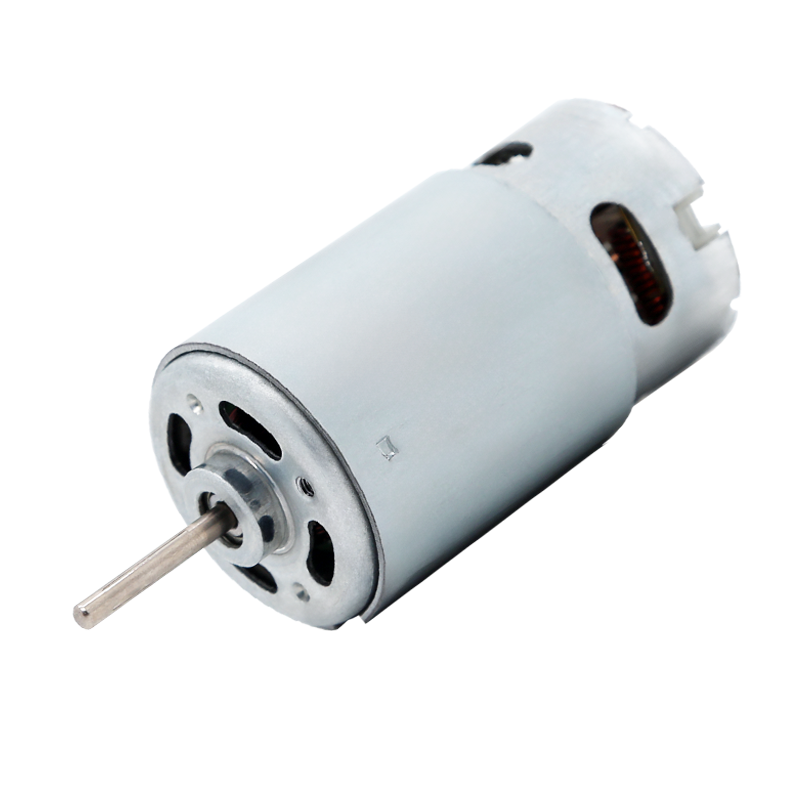
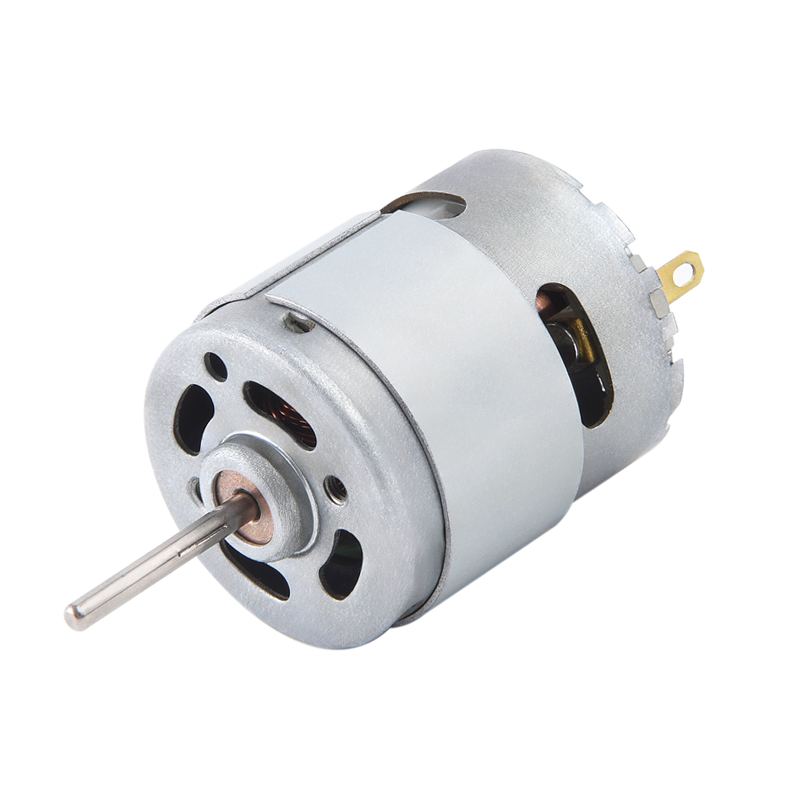
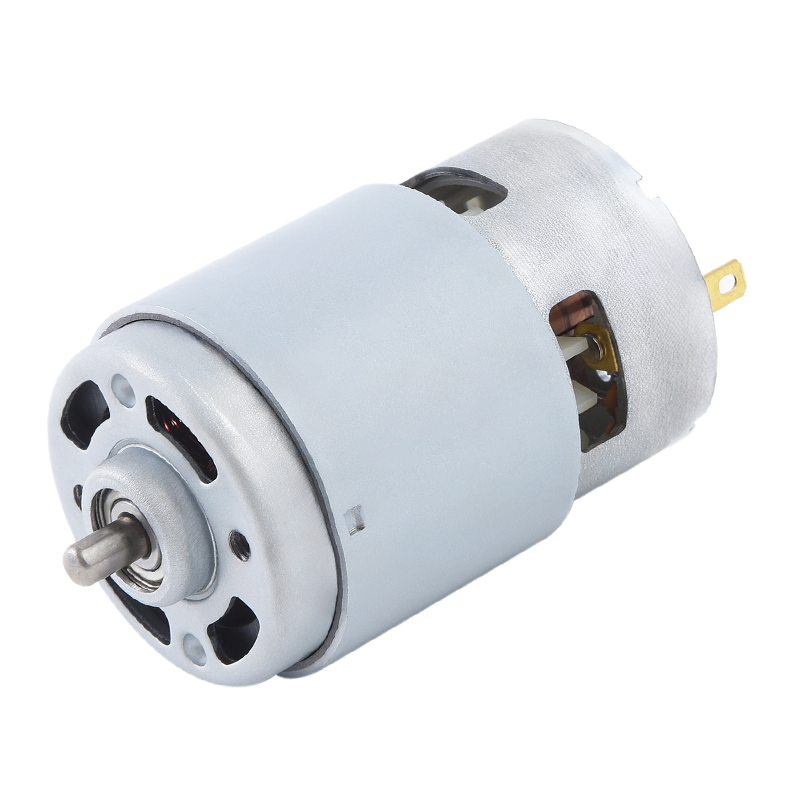
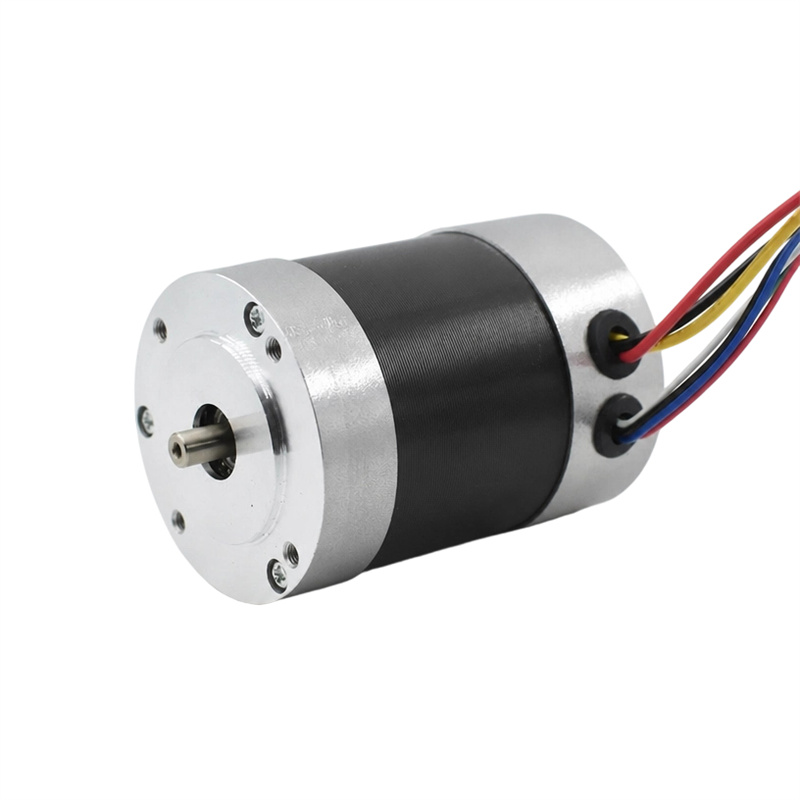
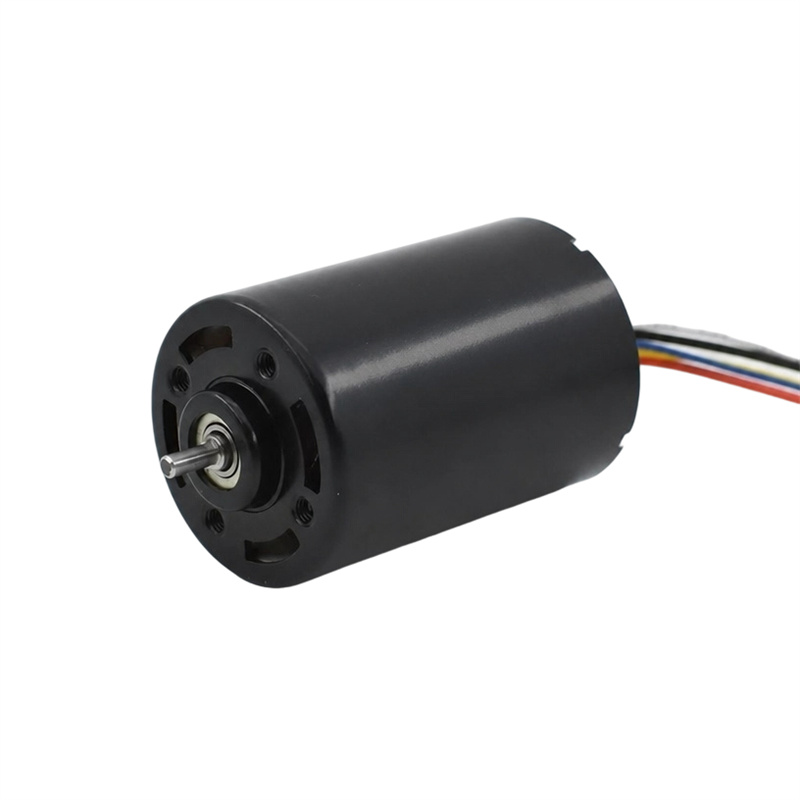
Motor housings vary in shape depending on product characteristics. Standard models are typically equipped with multiple heat dissipation "windows" to facilitate effective heat dissipation, but this also allows noise to propagate outward more easily. Therefore, for applications with strict noise requirements, reducing the motor speed to minimize heat generation and selecting a fully enclosed housing without "windows" can effectively suppress noise propagation.
Optimize Gear Structure
In geared motor systems, transmission optimization is essential for quiet operation.
Several gearbox solutions commonly used for noise reduction include helical gears, planetary gear systems, worm gear mechanisms, and precision-machined metal gears.
Compared with traditional spur gears, helical gears provide smoother tooth engagement and lower vibration levels.
Proper lubrication and gearbox assembly precision also play important roles in reducing transmission noise.
Optimize the Product Structure
In many cases, the noise of the motor itself is not significant, but after being installed in the product, resonance may occur between the motor and other components, which in turn drives the entire machine to vibrate, resulting in a significant increase in noise. Therefore, when designing the product structure, full consideration should be given to avoiding resonance problems. In addition, during the motor installation process, the reasonable use of shock-absorbing structures such as shock-absorbing pads and elastic brackets can effectively block the external propagation of mechanical vibration, thereby reducing the overall noise output.
Regular Maintenance and Inspection
Regular maintenance and lubrication of the motor: Maintain good lubrication of key components such as bearings and gears, and replace worn parts in a timely manner to prevent noise increase. Clean the motor and fan: Remove dust and impurities from the inside of the motor and the cooling system to avoid noise problems caused by increased resistance or rotor imbalance. In addition, regularly inspect the rotor balance, and re-calibrate the dynamic balance if necessary to prevent noise increase due to unbalance caused by long-term operation. At the same time, check the tightness of the motor installation components and the integrity of the shock-absorbing structure, and promptly adjust or replace loose or damaged parts to avoid resonance and vibration amplification. For brushed DC motors, regularly check the wear of brushes and commutators, and replace them in time to reduce noise caused by poor contact or excessive wear.
Conclusion
As the core component in various application scenarios such as household appliances and power tools, motors play a decisive role in the competitiveness of products. With the trend of high performance of products and high standards of users, the noise problem generated during motor operation has become increasingly prominent, becoming an important factor affecting user experience and product competitiveness. Motor noise may come from multiple sources, including mechanical structure, electromagnetic interference, and operating environment. Therefore, accurately identifying the source of abnormal noise is crucial for implementing effective solutions.
News
-
Brush DC Motor Origins and Physical Foundations The Brush DC Motor is a pioneer in converting electrical energy into mechanical motion, and its history is closely intertwined with ...
READ MORE -
Who Is Still Using Brushed DC Motors These Days? Brushed DC motors in small appliances Despite the growing adoption of brushless motor technology, small appliances remain a major c...
READ MORE -
Brush DC Motor Applications in Consumer Electronics and Smart Devices Brush DC Motor Role in Consumer Electronics Design Brush DC Motor plays a critical role in the design and func...
READ MORE

Quick Links
 Home
Home


Copyright © Yuyao Hongyang Micromotor Co., Ltd. All rights reserved.

