

 Eng
Eng 
 русский
 Español


PMDC vs BLDC Motor: Key Differences and Which to Choose
 2026.07.01
 Industry News
Quick Answer: PMDC vs BLDC Motor
The core difference is that a PMDC (Permanent Magnet DC) motor uses physical brushes to switch current direction, while a BLDC (Brushless DC) motor uses electronic controllers to do the same job without physical contact. This makes BLDC motors more efficient, longer-lasting, and quieter, but also more expensive and more complex to control. PMDC motors typically last 1,000–3,000 hours before brush wear requires maintenance, while BLDC motors can run 10,000–20,000+ hours with minimal upkeep.
For low-cost, low-duty applications like toys or simple fans, PMDC is usually the practical choice. For applications requiring efficiency, precision, or long service life — like drones, electric vehicles, or HVAC systems — BLDC is the better investment. The rest of this article explains why.
How a PMDC Motor Works
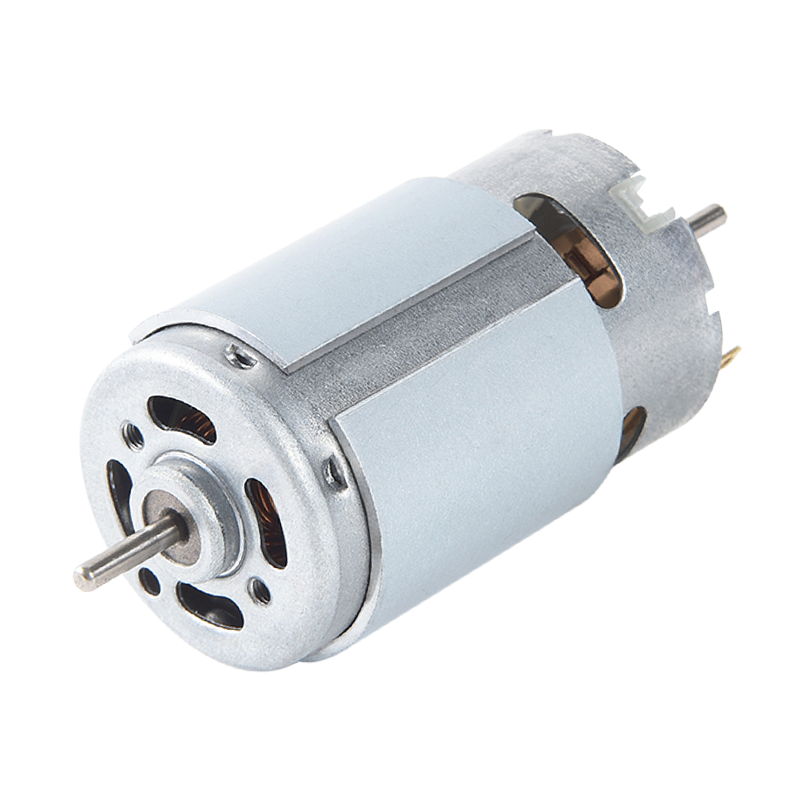
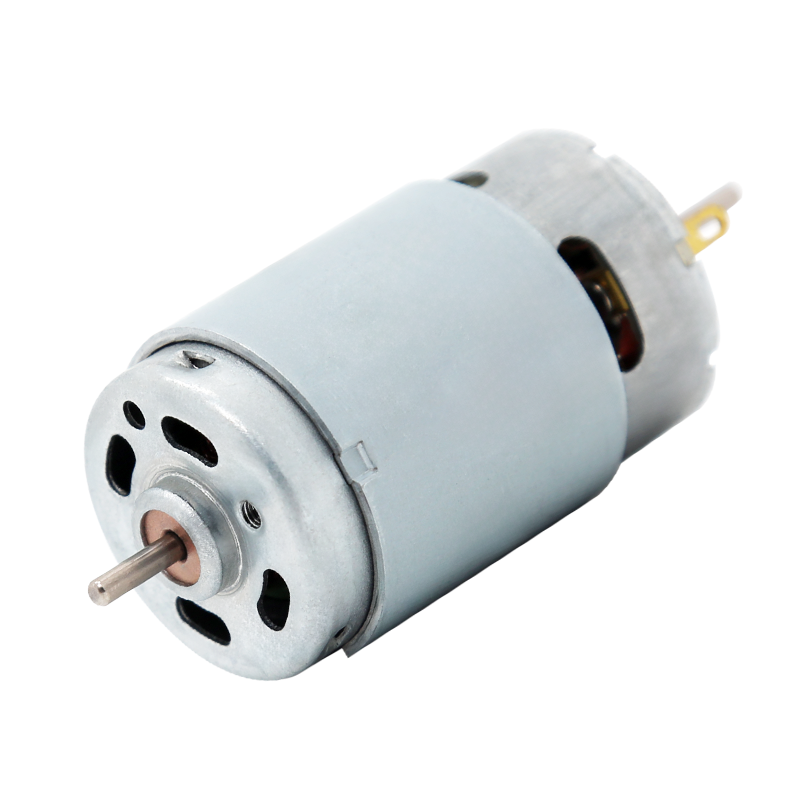
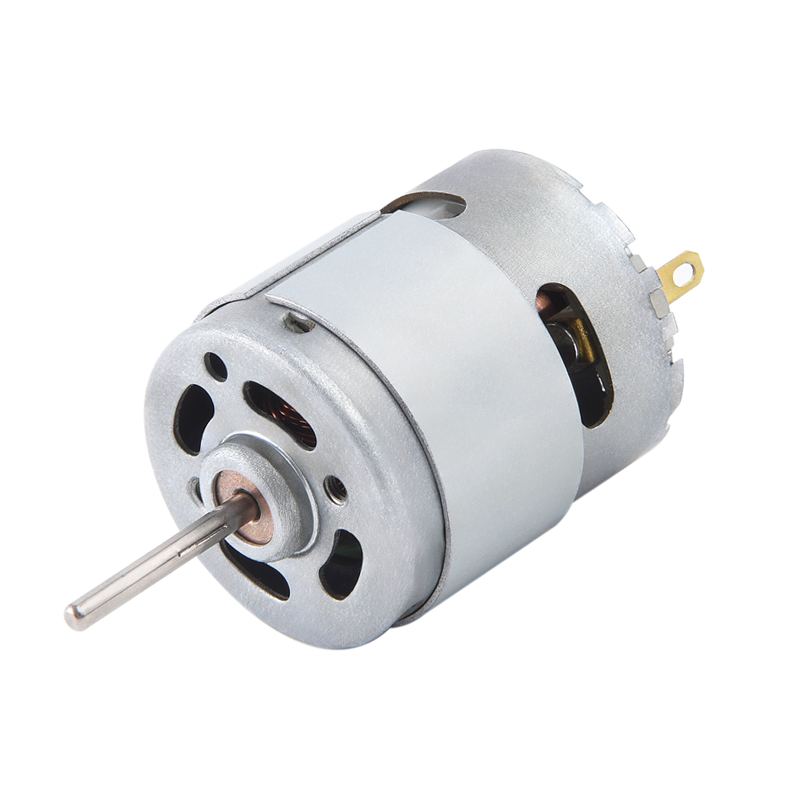
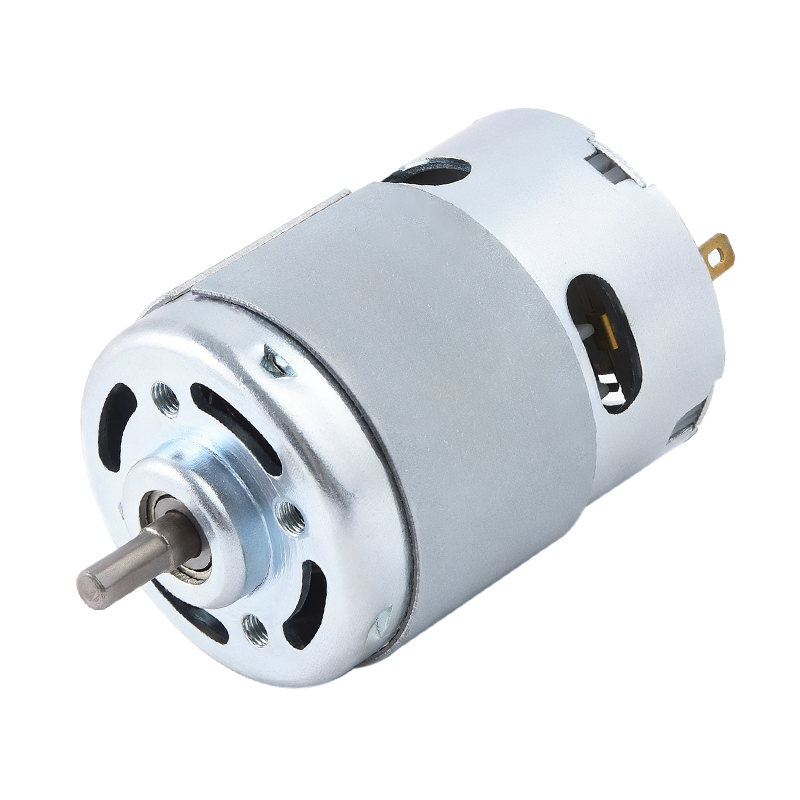
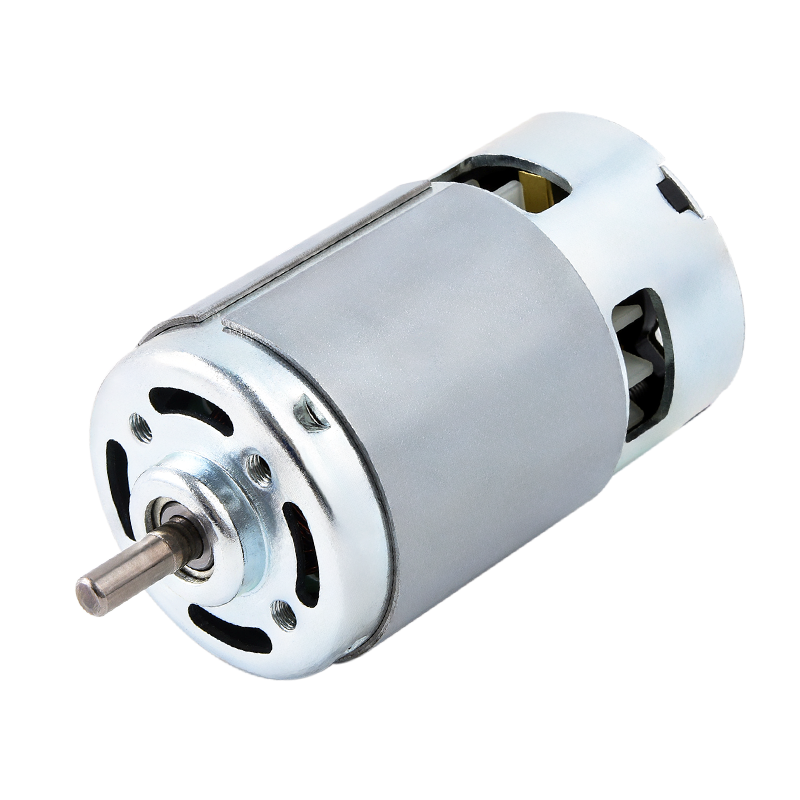
A PMDC motor uses permanent magnets in the stator to create a fixed magnetic field, while carbon or graphite brushes physically contact a rotating commutator to reverse current direction in the rotor windings. This mechanical switching is what makes the rotor spin continuously.
Why Brushes Matter
Because brushes maintain physical contact with the commutator, they gradually wear down through friction and generate small sparks during operation. This is the main source of noise, electrical interference, and the eventual need for maintenance or replacement in PMDC motors.
How a Brushless DC Motor Works
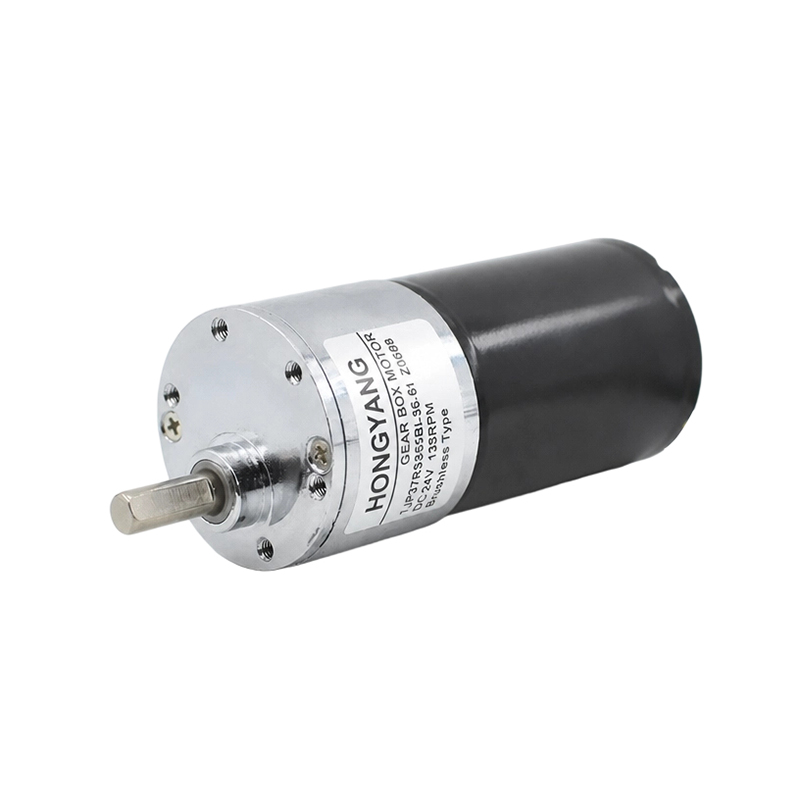
A BLDC motor flips the PMDC layout: permanent magnets sit on the rotor, while the stator contains the windings. Instead of brushes, an electronic controller uses sensors (or sensorless feedback) to detect rotor position and switch current through the stator windings at precisely the right moments, creating continuous rotation without any physical contact.
This electronic commutation eliminates friction-based wear entirely, which is why BLDC motors run cooler, quieter, and with less electrical noise than brush-based designs. The tradeoff is that BLDC motors require a dedicated electronic speed controller (ESC) to function, adding cost and complexity to the system.
PMDC vs BLDC: Side-by-Side Comparison
The table below summarizes the practical differences that matter most when choosing between the two motor types.
| Feature | PMDC Motor | BLDC Motor |
|---|---|---|
| Commutation method | Mechanical (brushes) | Electronic (controller) |
| Typical efficiency | 75–80% | 85–90%+ |
| Service life | 1,000–3,000 hours | 10,000–20,000+ hours |
| Upfront cost | Lower | Higher (needs controller) |
| Maintenance | Periodic brush replacement | Minimal |
| Noise level | Higher | Lower |
Common Applications for Each Motor Type
Choosing the right motor comes down to matching duty cycle and precision needs to the application's budget.
Where PMDC Motors Are Used
- Toys and low-cost consumer electronics
- Automotive power windows and wiper motors
- Simple pumps and low-duty fans
- Battery-powered handheld tools with light use
Where BLDC Motors Are Used
- Electric vehicles and e-bikes
- Drones and RC aircraft, where weight-to-power ratio matters
- HVAC systems and refrigeration compressors
- Industrial robotics and CNC equipment requiring precise speed control
How to Choose Between PMDC and BLDC
- Determine the required duty cycle — continuous heavy use favors BLDC.
- Check the total budget, including controller cost for BLDC systems.
- Evaluate how critical noise and heat generation are for the application.
- Factor in long-term maintenance access — BLDC reduces the need for regular servicing.
As a general rule, if the motor will run for short bursts in a cost-sensitive product, PMDC is the more economical choice. If it needs to run continuously, precisely, or for years without maintenance, the added cost of a BLDC system typically pays for itself in reliability and energy savings.
News
-
Brush DC Motor Origins and Physical Foundations The Brush DC Motor is a pioneer in converting electrical energy into mechanical motion, and its history is closely intertwined with ...
READ MORE -
Who Is Still Using Brushed DC Motors These Days? Brushed DC motors in small appliances Despite the growing adoption of brushless motor technology, small appliances remain a major c...
READ MORE -
Brush DC Motor Applications in Consumer Electronics and Smart Devices Brush DC Motor Role in Consumer Electronics Design Brush DC Motor plays a critical role in the design and func...
READ MORE

Quick Links
 Home
Home


Copyright © Yuyao Hongyang Micromotor Co., Ltd. All rights reserved.

