

 Eng
Eng 
 русский
 Español


Back EMF in DC Motors
 2026.08.04
 Industry News
What Is Back EMF in a DC Motor?
A DC motor operates based on the interaction between magnetic fields and current-carrying conductors. The magnetic field inside a DC motor is generated by permanent magnets or electromagnets. When a voltage is applied to the armature winding, current flows through the conductors, creating an electromagnetic force that produces torque and drives the rotor to rotate.
However, when the armature rotates inside the magnetic field, the conductors cut through the magnetic flux and generate an induced voltage. This induced voltage acts in the opposite direction to the applied supply voltage and armature current, which is known as Back Electromotive Force (Back EMF).
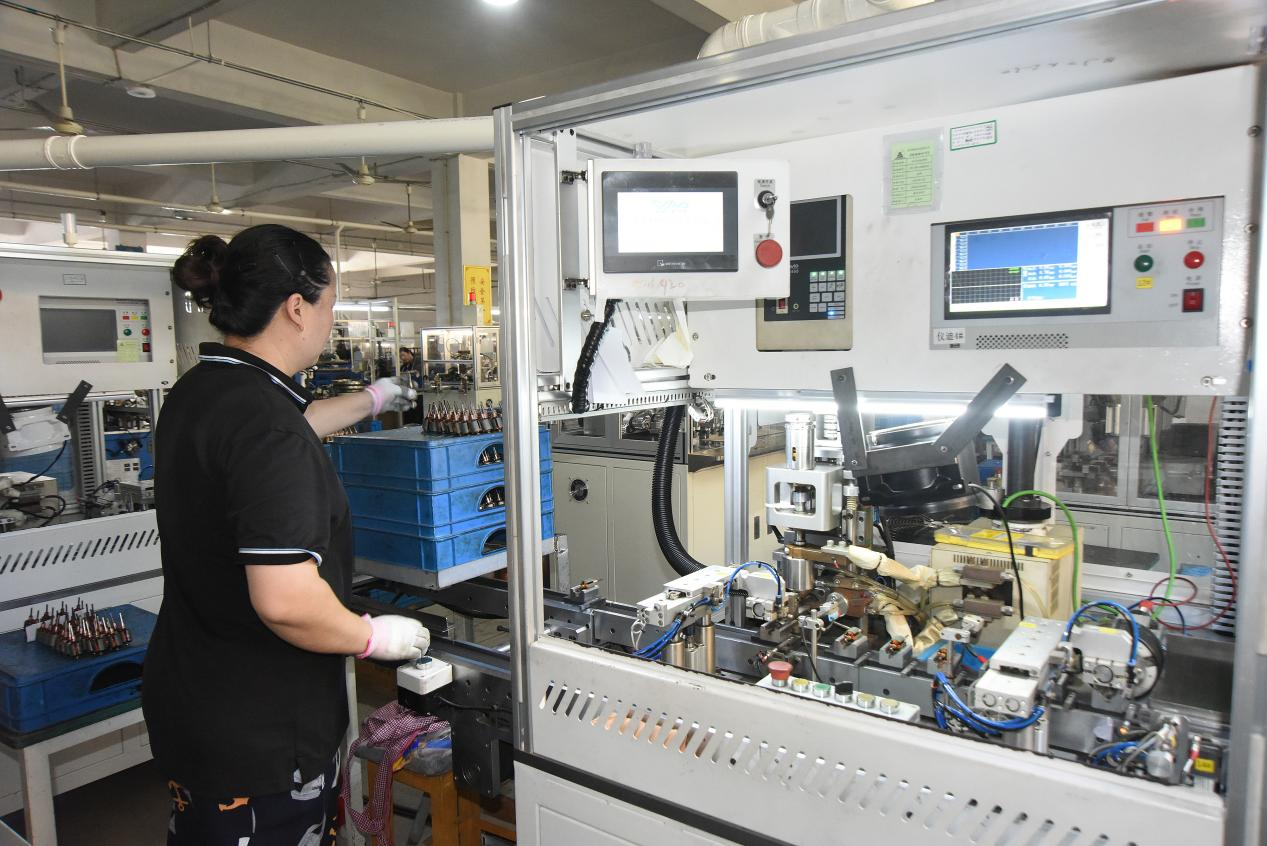
Back EMF is a fundamental phenomenon in DC motors. It naturally opposes the applied voltage and limits the current flowing through the armature winding. The continuous balance between supply voltage, back EMF, and armature current allows the motor to operate efficiently under different load conditions.
The back EMF equation of a DC motor is:
Eb = (ΦNZ/60) * (P/A)
Where:
- Eb= Back EMF generated by the motor
- Φ= Magnetic flux per pole
- N= Armature speed (RPM)
- Z= Total number of armature conductors
- P= Number of magnetic poles
- A= Number of parallel paths in the armature winding
The equation shows that back EMF is proportional to the motor speed and magnetic flux. When the motor rotates faster, a higher back EMF is generated, reducing the current drawn from the power supply.
How Back EMF Enables Automatic Load Regulation
One of the most important functions of Back EMF in a DC motor is automatic speed and load regulation.
Operation Under No Load
When a DC motor operates without external load, it only needs a small amount of torque to overcome internal losses, including friction and winding resistance.
Because the required torque is low, the motor draws only a small armature current. Under this condition, the generated back EMF becomes almost equal to the applied supply voltage.
The relationship between supply voltage, back EMF, and armature current can be expressed as:
Ia = (V - Eb) / Ra
Where:
- Ia= Armature current
- V= Supply voltage
- Eb= Back EMF
- Ra= Armature resistance
Since the difference between supply voltage and back EMF is very small at no load, the armature current remains low.
Operation Under Increased Load
When an additional load is applied to the motor shaft, the motor requires higher torque to maintain operation. The increased mechanical resistance causes the motor speed to decrease.
Because back EMF is directly related to motor speed, the reduction in speed causes the back EMF to decrease. As a result, the voltage difference between the supply voltage and back EMF increases.
This allows more current to flow through the armature winding.
The increased armature current produces greater electromagnetic torque, helping the motor overcome the increased load and return to stable operation at a new speed.
This automatic adjustment process allows DC motors to respond quickly to changing working conditions without requiring complex control systems.
Operation When Load Decreases
When the mechanical load on the motor shaft suddenly decreases, the existing driving torque becomes greater than the required load torque.
The excess torque accelerates the rotor, increasing the motor speed. As the speed increases, the generated back EMF also increases.
A higher back EMF reduces the voltage difference between the supply voltage and the motor winding, causing the armature current to decrease.
The reduced current lowers the motor torque until it matches the new load requirement. The motor then continues operating steadily at the adjusted speed.
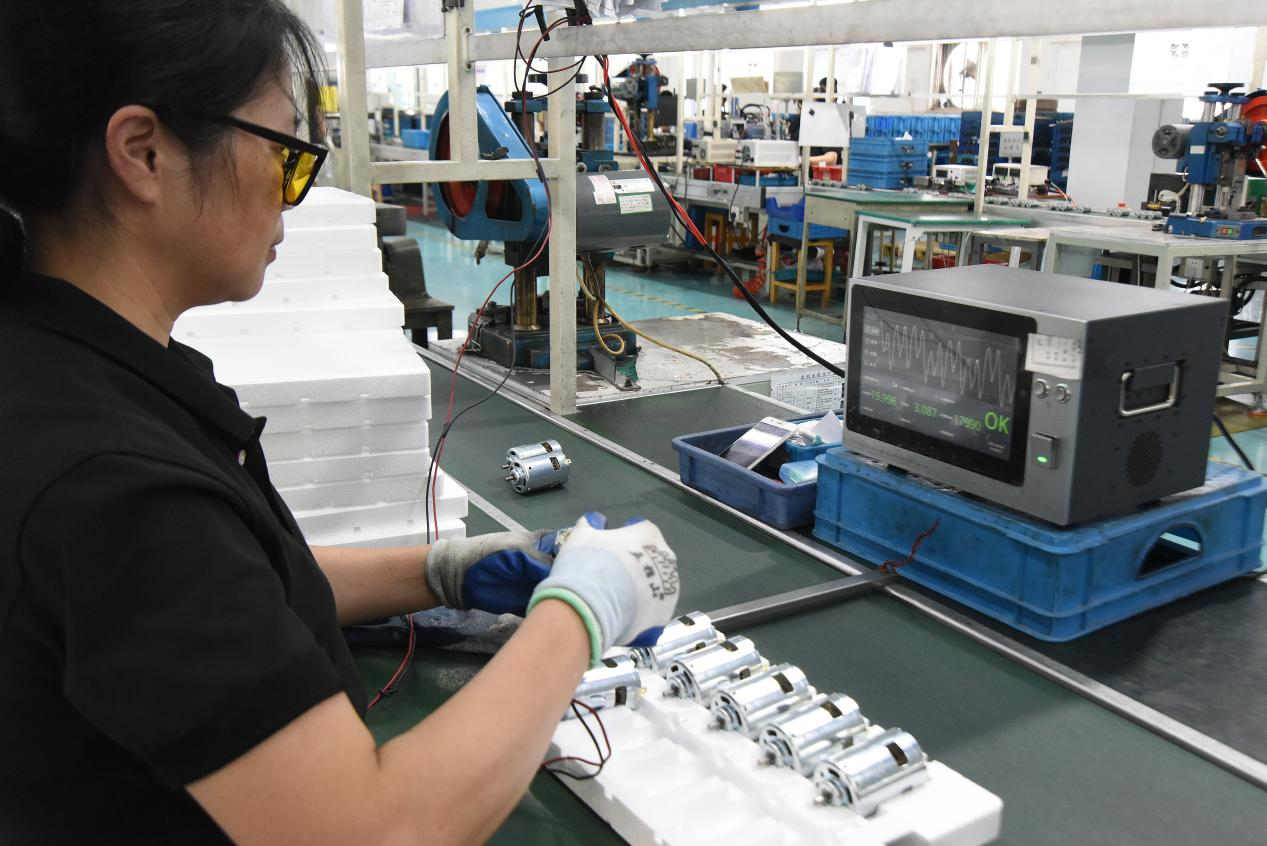
Why Back EMF Is Important in DC Motors
Back EMF plays a critical role in maintaining stable and efficient operation of DC motors. Its main advantages include:
Automatic Current Regulation
Back EMF automatically adjusts the armature current according to the mechanical load. When the load increases, current rises to produce more torque. When the load decreases, current reduces to prevent unnecessary energy consumption.
This characteristic enables DC motors to adapt efficiently to different operating conditions.
Improved Motor Efficiency
By limiting excessive current flow during normal operation, back EMF helps reduce power losses in the armature winding. This improves motor efficiency and prevents unnecessary heating.
For applications such as cooling fans, pumps, power tools, and automotive devices, efficient current control is essential for reliable long-term operation.
Stable Speed Performance
The self-regulating effect of back EMF allows DC motors to maintain relatively stable speed despite changes in load.
Although the motor speed may decrease slightly under heavier loads, the increase in armature current generates additional torque to compensate for the load variation.
Conclusion
Back EMF is an essential electrical phenomenon that determines how DC motors operate efficiently and reliably. By opposing the supply voltage and automatically regulating armature current, back EMF enables DC motors to adjust their torque output according to changing loads.
From small micro DC motors used in household appliances to industrial drive systems, understanding the role of Back EMF is crucial for selecting, designing, and optimizing DC motor applications.
News
-
Brush DC Motor Origins and Physical Foundations The Brush DC Motor is a pioneer in converting electrical energy into mechanical motion, and its history is closely intertwined with ...
READ MORE -
Who Is Still Using Brushed DC Motors These Days? Brushed DC motors in small appliances Despite the growing adoption of brushless motor technology, small appliances remain a major c...
READ MORE -
Brush DC Motor Applications in Consumer Electronics and Smart Devices Brush DC Motor Role in Consumer Electronics Design Brush DC Motor plays a critical role in the design and func...
READ MORE

Quick Links
 Home
Home


Copyright © Yuyao Hongyang Micromotor Co., Ltd. All rights reserved.

