

 Eng
Eng 
 русский
 Español

 Home / News / Industry News / AC vs DC Motor: Key Differences, Performance, and How to Choose | Hongyang Motor
 AC vs DC Motor: Key Differences, Performance, and How to Choose | Hongyang Motor
 2026.08.26
 Industry News
A product team is designing a countertop ice maker. The motor must fit inside a 38 mm housing, run quietly through long cooling cycles, and work from a low-voltage DC rail inside the appliance. Across town, a plant engineer is specifying a 5 kW conveyor drive that will run three shifts on three-phase mains. Both are asking the same question: AC or DC motor? The practical answer is that the application dictates the technology. AC motors win where fixed-speed, high-power, continuous operation on mains power is the norm. DC motors win where portability, battery power, variable speed, compact size, and low noise matter more. For the vast majority of small appliances, power tools, automotive components, and medical devices being designed today, a DC motor is not just a preference; it is usually the only practical choice.
The electrical difference that shapes the drive system
An AC motor runs on alternating current, which reverses direction 50 or 60 times per second depending on the region. The most common AC motor, the induction motor, uses a rotating magnetic field in the stator to induce current in the rotor, so no mechanical commutator is needed. That is why large AC motors can be built ruggedly and economically per kilowatt.
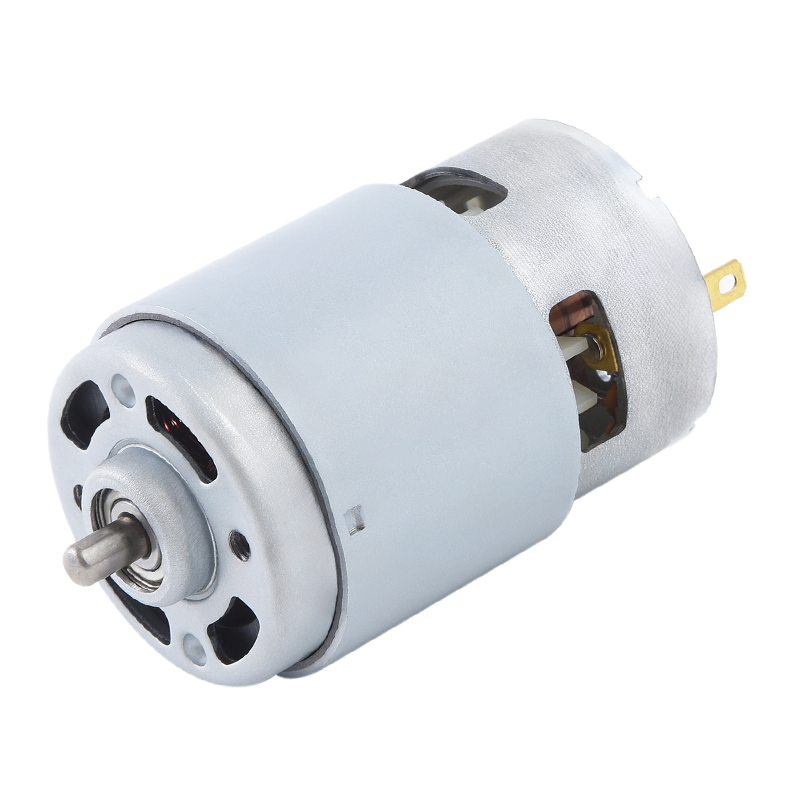
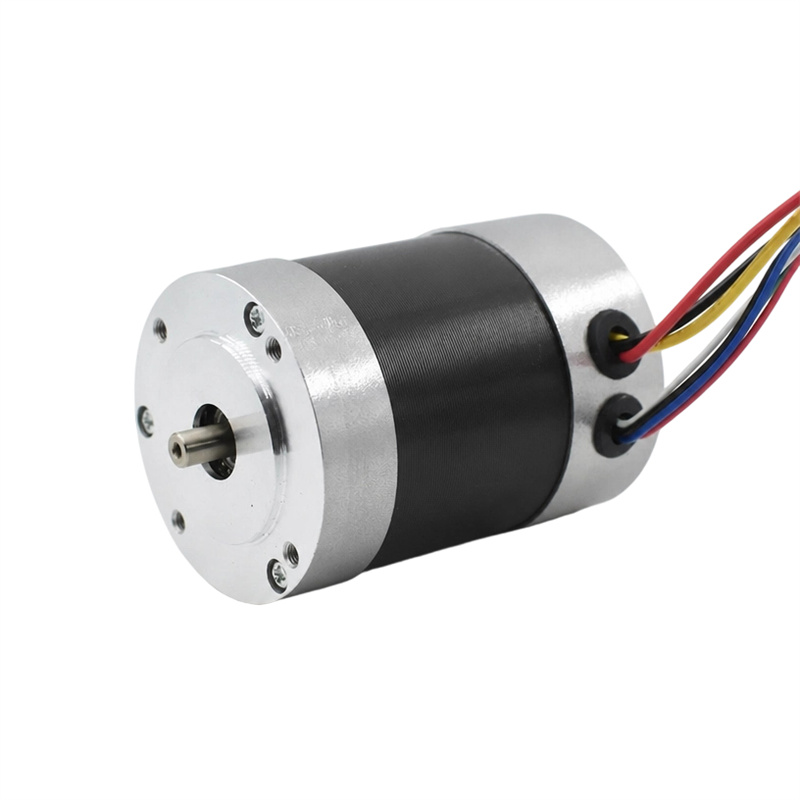
A DC motor runs on direct current flowing in one direction. In a brushed DC motor, a commutator and carbon brushes switch the current in the rotor windings as the shaft rotates. This is simple and effective at small sizes, but the brushes wear and produce dust. In a brushless DC (BLDC) motor, an electronic controller handles commutation instead, which removes the wear mechanism, improves efficiency, and lowers noise. Permanent-magnet AC motors are a close relative of BLDC motors and share several of these advantages, but they require a matched inverter drive and are less common in small consumer products.
AC vs DC performance: a practical comparison
The trade-offs below are the ones that matter when you select a motor for a real product rather than a textbook exercise.
| Parameter | AC Motor | DC Motor |
|---|---|---|
| Power source | Mains AC, single or three phase | DC supply or battery |
| Speed control | Requires variable-frequency drive or pole switching | Simple voltage or PWM control |
| Starting torque | High in three-phase; single-phase often needs a start capacitor | High and easily controlled |
| Efficiency | Good at full load, lower at partial load | Good across a wide speed range; brushless is best |
| Maintenance | Low; no brushes to replace | Brushed: brush wear; brushless: low |
| Size and weight | Larger for low-power ratings | Compact at low power |
| Noise | Magnetic hum at mains frequency | Quiet, especially brushless |
| System cost | Low per kilowatt for large units | Lower total cost at small sizes |
The most important takeaway is the link between speed control and efficiency. A fixed-speed AC induction motor running at full load is efficient and durable. The moment variable speed is required, a variable-frequency drive is added, which increases cost, panel space, and commissioning effort. A DC motor provides wide speed control from a simple voltage or PWM signal, and a brushless motor holds high efficiency across the entire range. In a battery-powered product, that efficiency translates directly into runtime and heat management.
Power is another point of confusion. An AC motor can be built at megawatt scale, so in absolute terms it is the more powerful technology. But for a given frame size under 500 W, a DC motor typically delivers more torque per amp and responds faster to load changes. The question is not which technology is more powerful in a datasheet, but which one produces the torque and speed profile your product needs.
Where AC motors remain the right answer
AC motors still own the high-power, fixed-speed, continuous-duty segment. Industrial pumps, large fans, air compressors, conveyor systems, and HVAC blowers are the classic examples. On a three-phase supply, an induction motor costs less per kilowatt than a DC motor, has minimal electronics, and can run for years with only bearing and insulation checks. Unless the application demands variable speed or precise positioning, there is no economic reason to replace it with a DC design.
Where DC motors win: batteries, size, and controllability
DC motors dominate any product that is portable, battery-powered, or space-constrained. Cordless power tools, robot vacuums, electric screwdrivers, automotive window regulators, electric tailgates, car air pumps, medical instruments, drones, and cosmetic devices all rely on DC because it delivers torque and speed control from a battery pack in a small cylindrical package. This is the core of micro-motor manufacturing: matching a compact motor to a specific device and its duty cycle.
Brushed or brushless: cost, life, and control
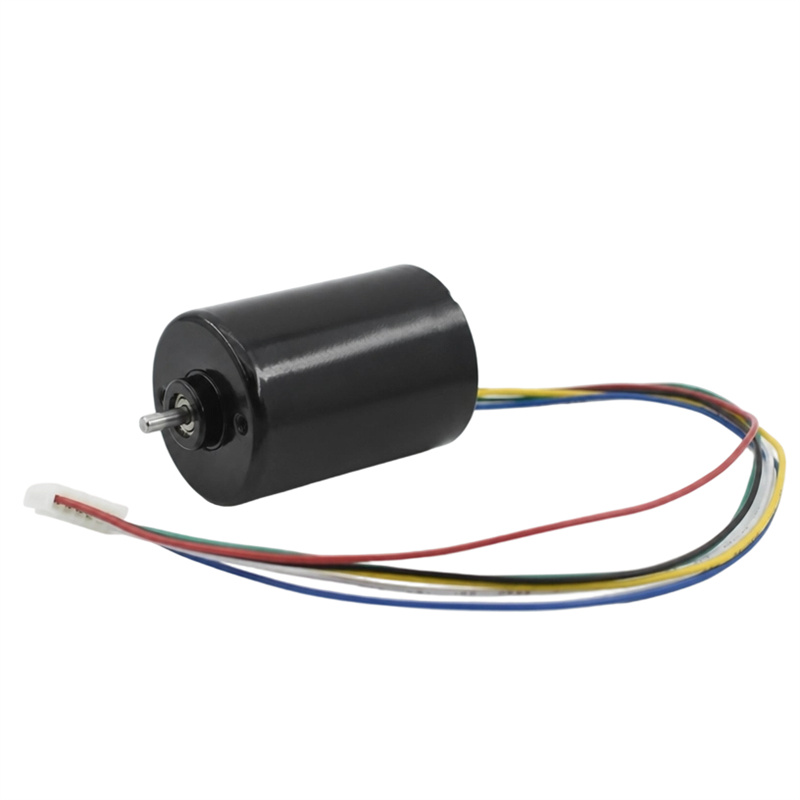
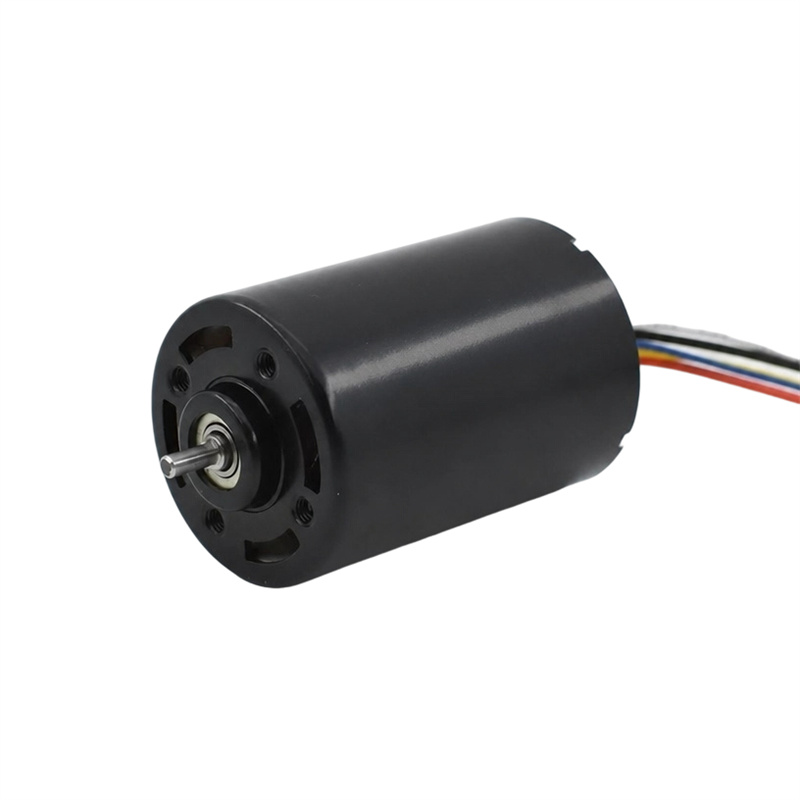
Within DC, the first decision is usually brushed versus brushless. A brushed motor is the lowest-cost option for short-duration or low-cycle applications, and it can be made very quiet with careful design. A brushless motor accepts a higher upfront price but earns it back through efficiency, lifespan, and clean commutation. In a drone, for example, every gram and every watt of loss affects flight time, which is why the brushless DC motor for drone applications has become standard in multirotor designs.
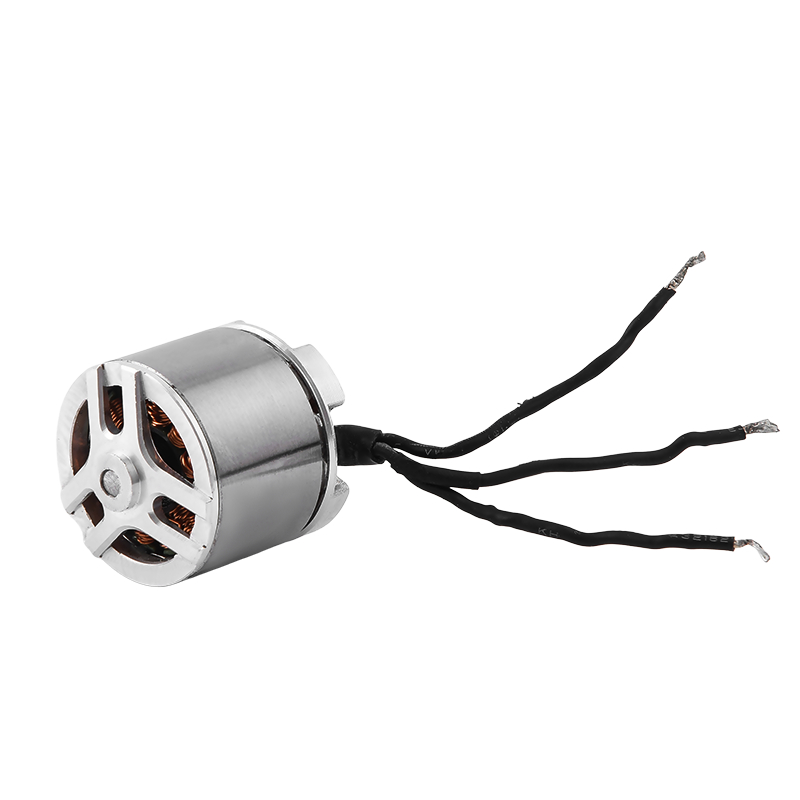 Wholesale Brushless DC Motor for Drone Suppliers, Factory - Yuyao Hongyang MicroYuyao Hongyang Micromotor Co., Ltd. is China Wholesale Brushless DC Motor for Drone Suppliers and Factory, details:HongYang Brushless DC ...View Product →
In home appliances and smart home products, the priorities shift toward noise, consistency, and long service intervals. An ice maker needs a compact motor that starts reliably under load, stays quiet inside a sealed housing, and survives years of rapid cycling. A purpose-built mute brushed DC motor for ice makers is designed for exactly that thermal and acoustic duty, whereas a generic motor of the same frame size may overheat or become noisy after a few months.
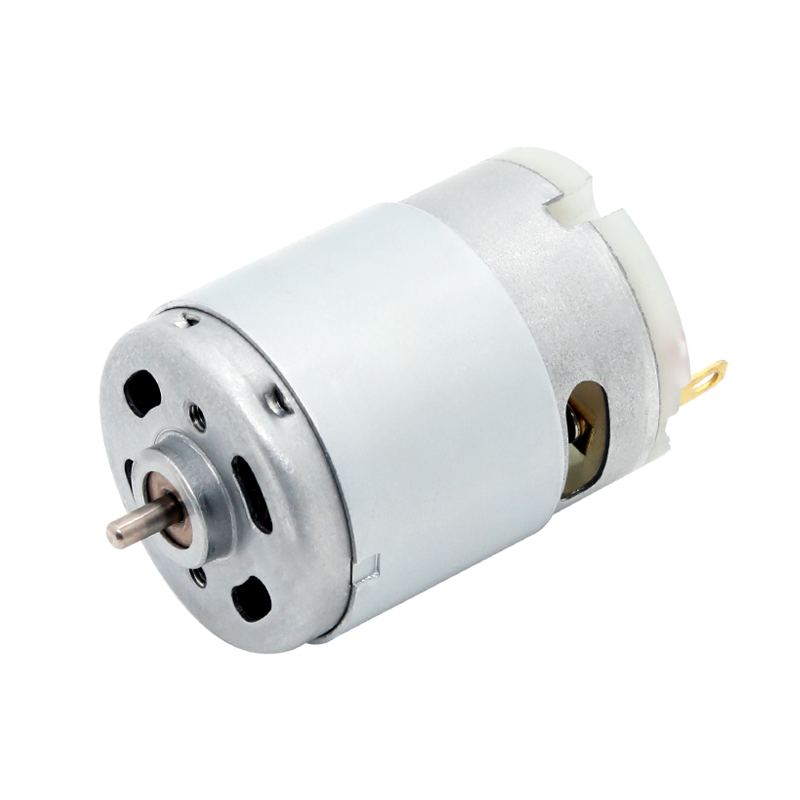
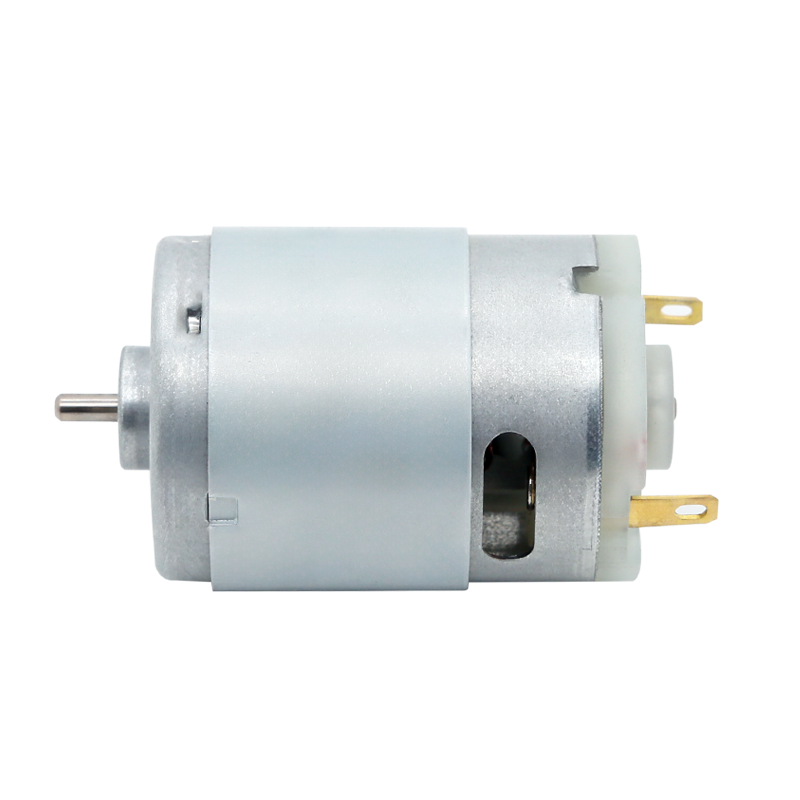 Wholesale RS-380 Mini Brushed DC Motor for Electric Screw Drivers Suppliers, FacYuyao Hongyang Micromotor Co., Ltd. is China Wholesale RS-380 Mini Brushed DC Motor for Electric Screw Drivers Suppliers and Factory, det...View Product →
How to choose: a practical checklist
When engineers ask us to compare AC and DC motors for a new product, we work through the same questions in order:
- What power source is available: mains only, or battery?
- What speed range and torque profile does the load require, and does the motor need to hold speed under load?
- What is the duty cycle: a few minutes per day or continuous operation?
- How much space and weight can the motor installation occupy?
- What noise, vibration, and electromagnetic compatibility limits apply?
- What does the total cost include: motor, drive electronics, maintenance, and energy?
These questions separate the theoretical comparison from the procurement decision. Even in a small kitchen appliance, the difference between a generic motor and a tuned design is audible and measurable. A smooth-running brushed DC motor for coffee machines is matched to the grinder or pump load, reducing vibration and extending service life. The same platform can be rewound and reconfigured for fans, pumps, or medical equipment, which is why an experienced micro-motor supplier treats each application as a design exercise rather than a catalog lookup.
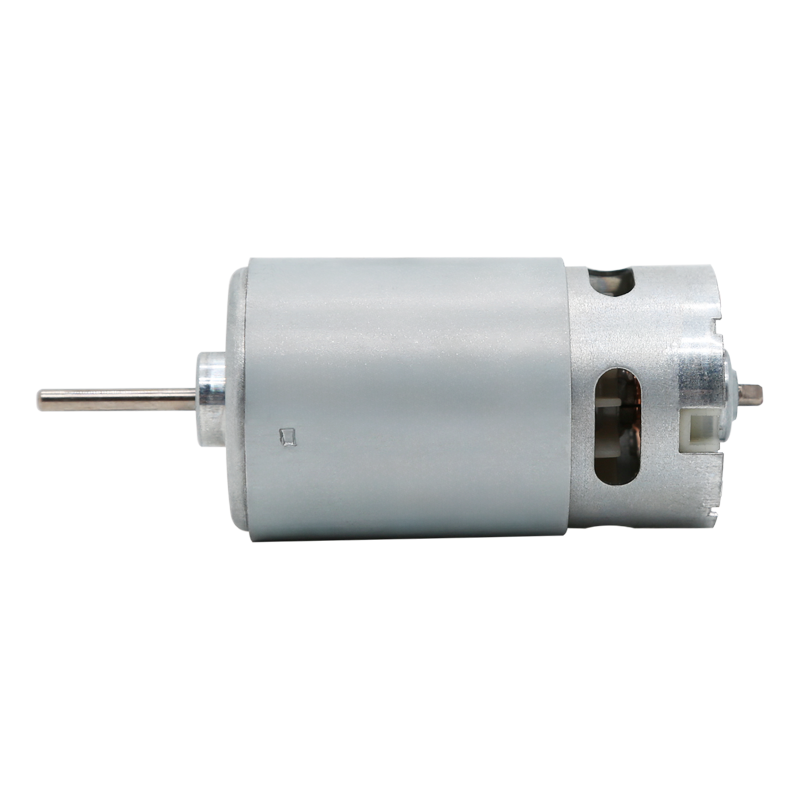 Wholesale RS-550SL Low Noise Brush DC Motor for Paper Shredders Suppliers, FactoYuyao Hongyang Micromotor Co., Ltd. is China Wholesale RS-550SL Low Noise Brush DC Motor for Paper Shredders Suppliers and Factory, detai...View Product →
The AC versus DC debate is not about which technology is superior; it is about which technology fits the product's power source, size, and operating environment. If you are designing a compact, battery-powered, or speed-controlled device, start from the load requirements and work backwards to the motor family. If you are planning a high-power, fixed-speed installation with mains available, an AC motor remains the economical default. For the wide middle ground of small motors that power everyday products, DC technology, and a supplier that understands its limits, is what turns a datasheet into a reliable product.
News
-
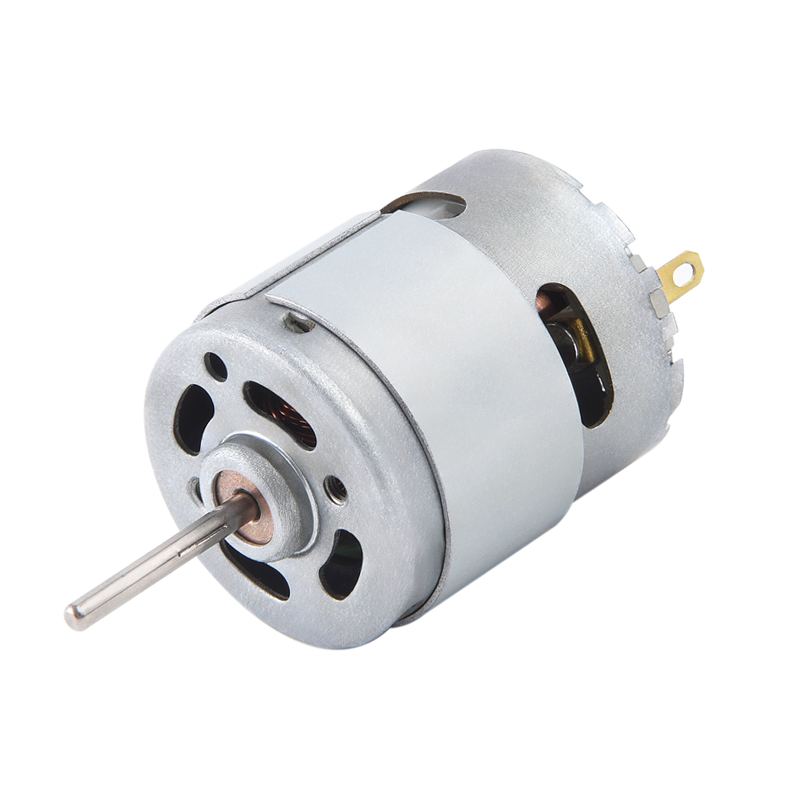
Brush DC Motor Origins and Physical Foundations The Brush DC Motor is a pioneer in converting electrical energy into mechanical motion, and its history is closely intertwined with ...
READ MORE -
Who Is Still Using Brushed DC Motors These Days? Brushed DC motors in small appliances Despite the growing adoption of brushless motor technology, small appliances remain a major c...
READ MORE -
Brush DC Motor Applications in Consumer Electronics and Smart Devices Brush DC Motor Role in Consumer Electronics Design Brush DC Motor plays a critical role in the design and func...
READ MORE

Quick Links
 Home
Home


Copyright © Yuyao Hongyang Micromotor Co., Ltd. All rights reserved.

