

 Eng
Eng 
 русский
 Español


DC Motor Solution for Coffee Grinders
 2026.07.28
 Industry News
Coffee Grinding as a foundational and decisive step in coffee brewing, directly shaping the final taste consistency, concentration, and aromatic expression of coffee drinks. Whether it is rich and mellow espresso or clean and smooth hand-brewed coffee, the particle uniformity and coarseness of ground coffee are key determinants of extraction quality.
Motor performance and type lay the groundwork for stable, high-quality coffee grinding. Among all motor configurations, DC motors stand out for their balanced performance and wide applicability in mid-to-high-end grinding scenarios. This article systematically elaborates on the working principle of coffee grinders, analyzes the performance differences of mainstream motor types, focuses on the advantages and application solutions of DC motors for coffee grinders, and summarizes core motor selection criteria to help users select optimal DC motor configurations.
Working Principle and Core Structure of Coffee Grinders
Coffee grinders convert whole coffee beans into standard granular powder that meets diverse brewing demands through mechanical operation, laying a solid foundation for uniform water penetration and full flavor extraction. The entire grinding process is driven by a complete motor drive system, and mainstream grinding structures on the market are divided into blade type and disc type, each with unique structural characteristics and positioning:
Blade-type grinding structure: This structure adopts high-speed rotating blades to cut and crush coffee beans, featuring a simple overall design and cost advantages. It is the mainstream configuration for entry-level household coffee grinders, meeting daily casual brewing needs for ordinary users.
Disc-type grinding structure: It relies on the precise shearing and extrusion force between two matching grinding discs to process coffee beans. The ground particles feature higher uniformity and finer controllability, which can meet the high-precision extraction requirements of professional baristas and commercial coffee equipment, effectively avoiding uneven extraction caused by inconsistent particle size.
Performance Differences of Mainstream Motor Types for Coffee Grinders
The motor is the core power source of grinding equipment, and different motor types bring fundamental differences in grinding stability, noise control, durability and operating efficiency. At present, AC motors, DC motors and brushless motors are widely used in coffee grinders, with clear hierarchical application scenarios:
AC Motor: As a mature and cost-effective power solution, AC motors are mostly applied in basic household coffee grinders. With standardized and stable structural design, they can meet low-frequency daily grinding needs. However, limited by inherent structural attributes, they generate relatively loud operating noise and have ordinary torque output performance, making them unable to adapt to high-intensity, long-duration commercial grinding work.
DC Motor: Positioned in mid-to-high-end grinding equipment, DC motors achieve stable output of rotational speed and torque during operation. They excel in smooth operation and low noise performance, effectively optimizing the grinding uniformity of coffee beans. With comprehensive and balanced performance, they are the preferred power configuration for most mid-grade household and small commercial coffee grinders.
Brushless Motor: Representing the high-end configuration of coffee grinder power systems, brushless motors have prominent advantages in operating efficiency, temperature rise control and service life. They support long-term high-load stable operation, with lower failure rates and less performance attenuation. Though the initial procurement cost is higher, their ultra-long service life and low maintenance cost bring higher long-term cost performance, making them the ideal choice for high-end professional and commercial coffee grinding equipment.
Key Factors for Coffee Grinder Motor Selection
To select a matched and high-quality grinder motor, it is necessary to evaluate usage scenarios, performance requirements and cost budgets, with the following core reference factors:
- Usage Frequency and Load Intensity: For commercial scenarios with high-frequency, long-duration continuous grinding and household intensive use, DC motors and BLDCmotors with strong durability and high operating efficiency are recommended to avoid power attenuation and equipment heating caused by long-term operation. For occasional low-frequency household use, cost-effective AC motors can meet basic demands.
- Grinding Consistency and Extraction Requirements: Brewing quality with high extraction standards requires highly uniform ground coffee particles. Motors with stable and controllable low-speed operation can deliver more precise grinding effects, effectively reducing over-extraction or under-extraction problems, and are suitable for boutique coffee brewing and professional application scenarios.
- Noise Control Requirements: For home use, coffee shops and other noise-sensitive environments, DC and brushless motors with smooth operation and low noise are optimal. Their optimized operating structure effectively reduces mechanical friction noise, creating a quiet and comfortable brewing environment.
Hongyang 390 DC Motor Solution for Coffee Grinders
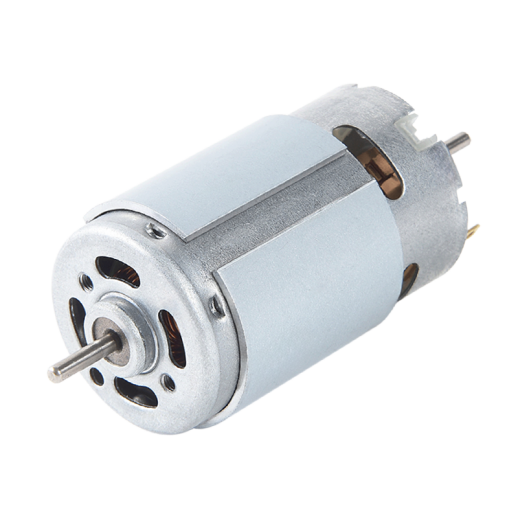
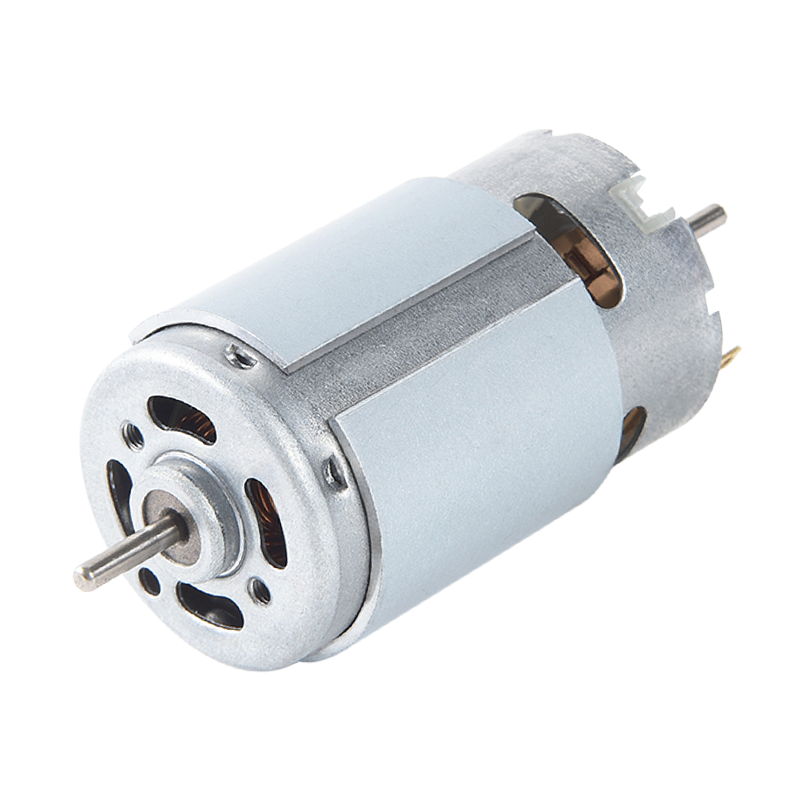
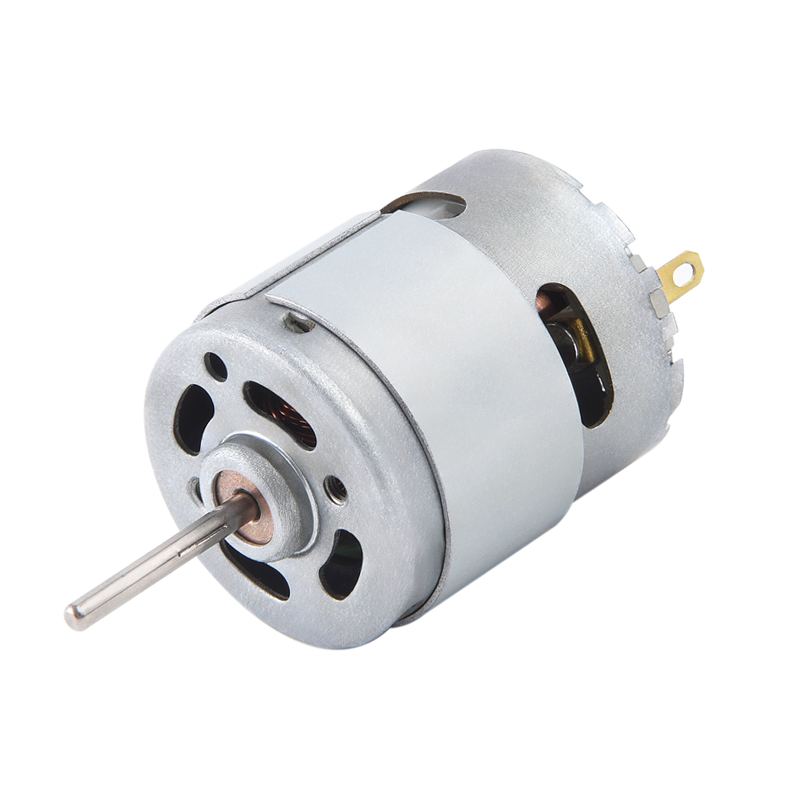
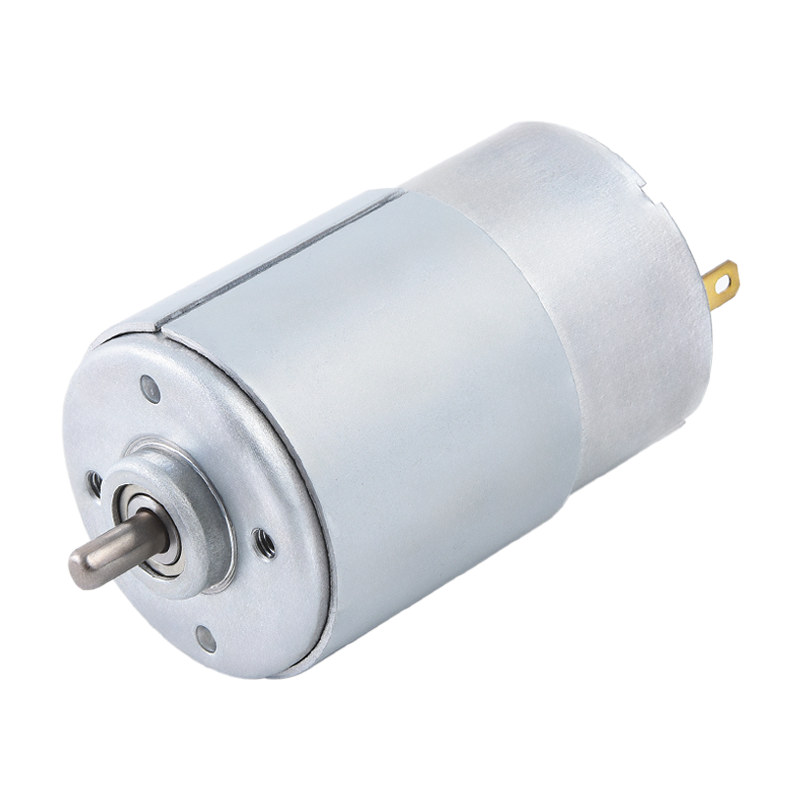
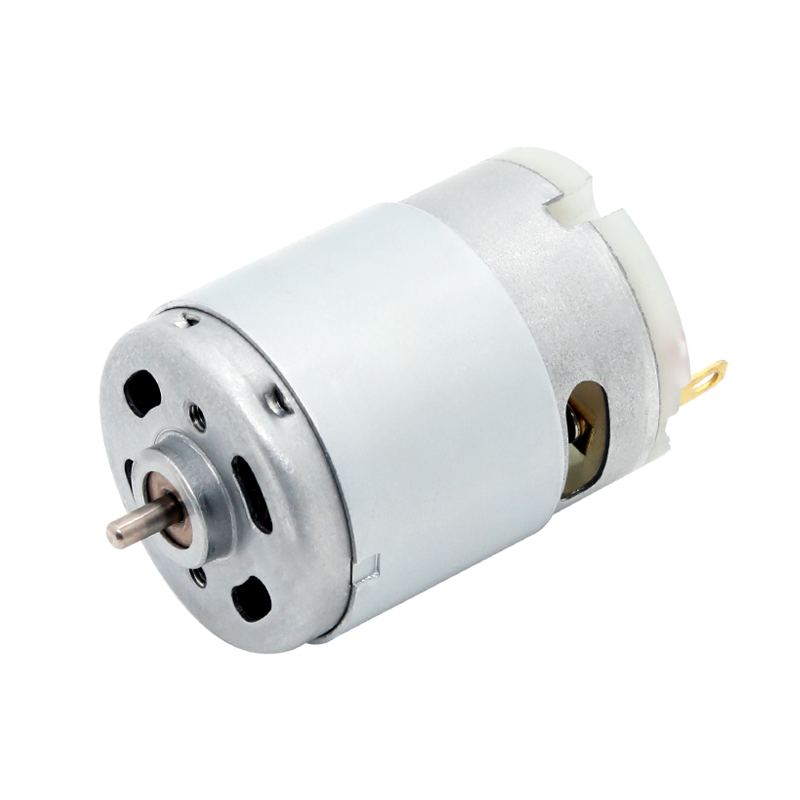
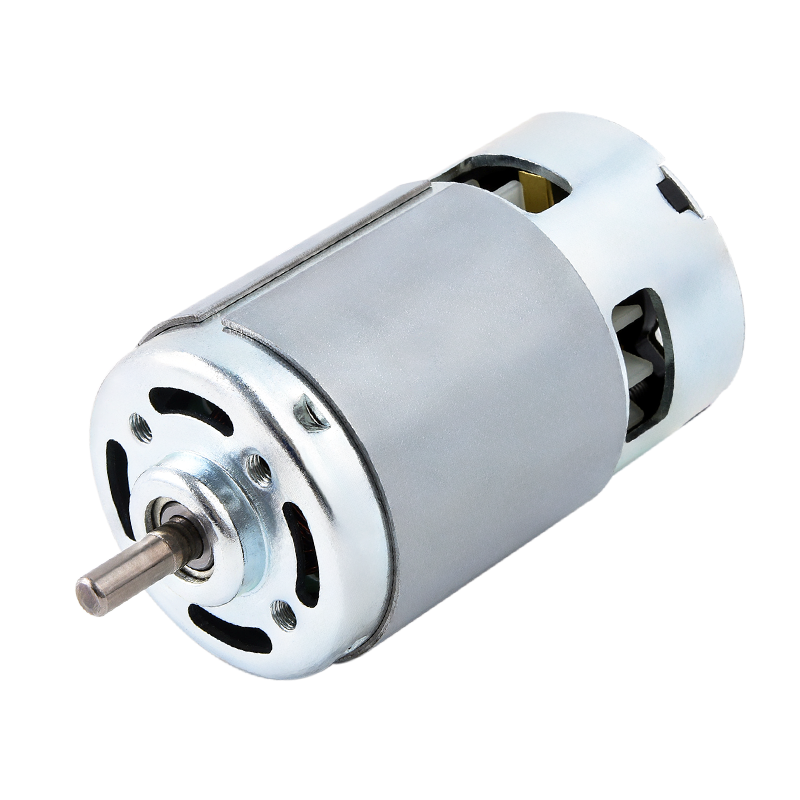
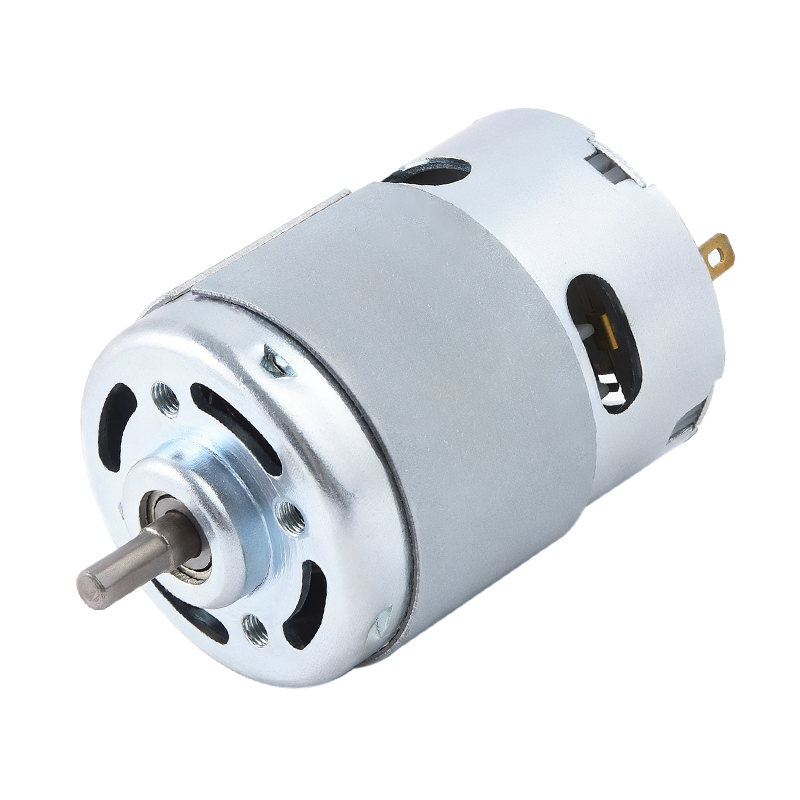
Aiming at the personalized and high-performance power demands of coffee grinding equiment, Hongyang has developed and launched the 390 DC motor for coffee grinders. Tailored for coffee bean grinding scenarios, this motor integrates high torque, stable speed, low noise and strong durability, and has been widely adopted in mid-to-high-end household and commercial grinding equipment.
Focusing on the application characteristics of kitchen appliances represented by coffee grinders, Hongyang adheres to customized R&D and intelligent production of high-precision motors. In addition to standard coffee grinder motor solutions, we can conduct targeted structural optimization and performance debugging according to customers’ personalized equipment parameters, scenario demands and functional positioning.
News
-
Brush DC Motor Origins and Physical Foundations The Brush DC Motor is a pioneer in converting electrical energy into mechanical motion, and its history is closely intertwined with ...
READ MORE -
Who Is Still Using Brushed DC Motors These Days? Brushed DC motors in small appliances Despite the growing adoption of brushless motor technology, small appliances remain a major c...
READ MORE -
Brush DC Motor Applications in Consumer Electronics and Smart Devices Brush DC Motor Role in Consumer Electronics Design Brush DC Motor plays a critical role in the design and func...
READ MORE

Quick Links
 Home
Home


Copyright © Yuyao Hongyang Micromotor Co., Ltd. All rights reserved.

